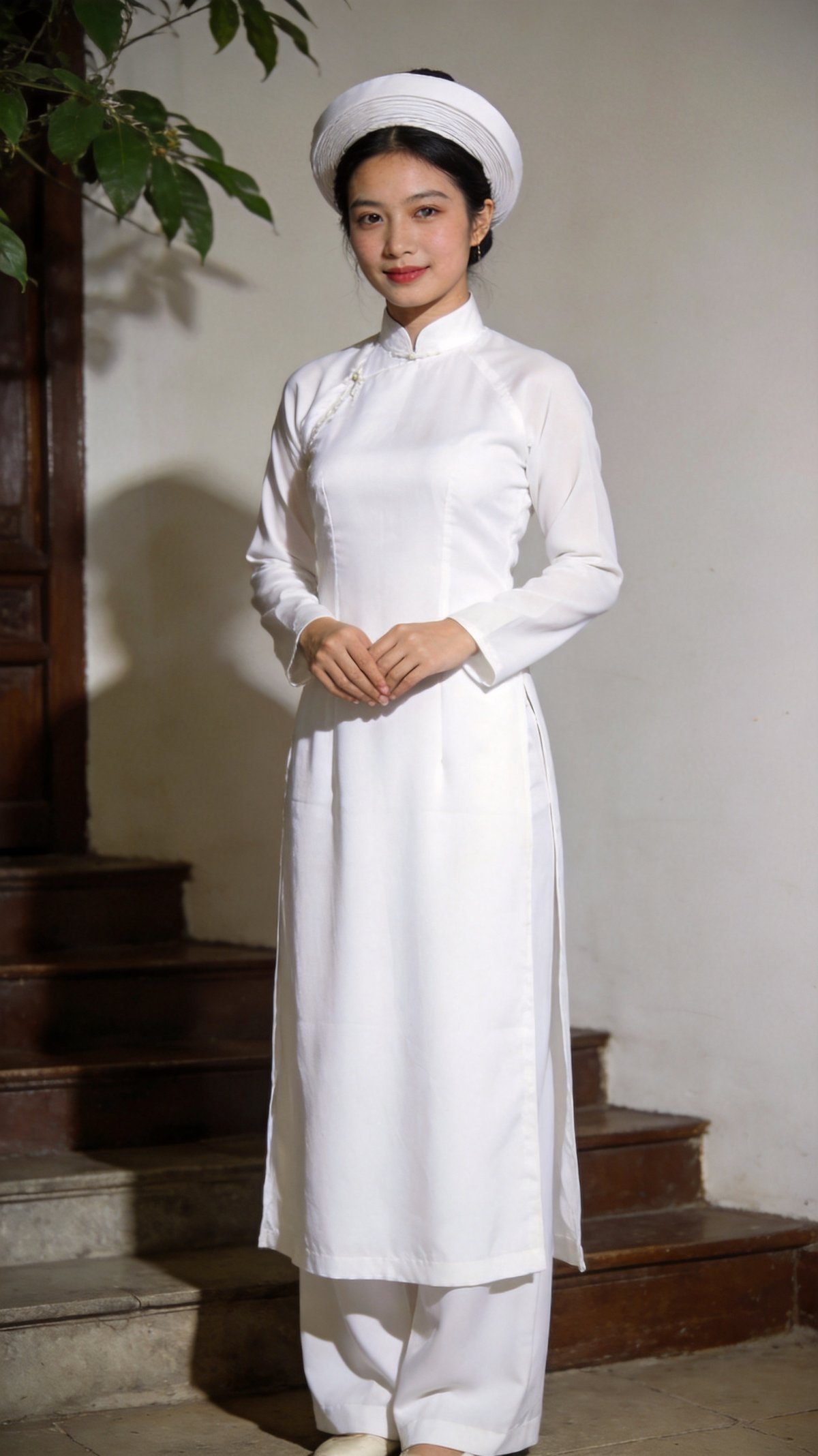
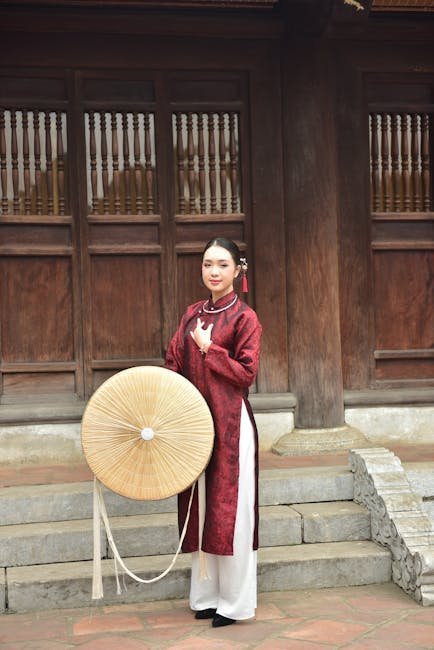
Gin traditional attire closely resembles the Vietnamese ao dai, with elegant fitted tunics and flowing trousers in soft pastels. The Gin are culturally connected to the Kinh majority of Vietnam. As Chinas only maritime ethnic minority, the Gin people trace their origins to Vietnamese fishing communities who settled on three small islands off the coast of Guangxi over four centuries ago.
Historical and Cultural Background
The Gin people, known in China as Jingzu and in Vietnam as Kinh or Viet, began migrating from northern Vietnam to the islands of Wanwei, Wutou, and Shanxin in the Gulf of Tonkin during the 16th century. Initially coming as seasonal fishermen following fish migrations, many established permanent settlements, building stilt houses over the water and developing a distinctive maritime culture centered on fishing, pearl diving, and coastal trade. The three Gin islands — collectively known as the Jing Islands — are located near Dongxing in the Fangchenggang region of Guangxi Zhuang Autonomous Region, just across the border from Mong Cai in Vietnam.
With a population of approximately 28,000 in China, the Gin maintain close cultural and linguistic ties to Vietnam, speaking a dialect of Vietnamese and preserving many traditions from their ancestral homeland. Their distinctive cultural practices include the Ha Festival, a community celebration involving elaborate rituals to honor sea deities and ancestral spirits, and the performance of traditional folk songs accompanied by the unique single-stringed monochord instrument. Fish sauce production, a cornerstone of Vietnamese cuisine, has been a traditional Gin industry for centuries.
The Gin language belongs to the Vietic branch of the Austroasiatic language family and is mutually intelligible with standard Vietnamese. Most Gin are bilingual, speaking both Gin (Vietnamese) and Cantonese or Mandarin, facilitating their role as cultural and economic intermediaries between China and Vietnam throughout history.
Key Features of Gin Attire
- Fitted long tunic with side slits worn over trousers
- Soft pastel colors: light blue, pink, white, cream
- Standing collar with concealed front closure
- Mens matching tunics in darker tones with simpler cuts
- Palm-leaf conical hats as a complementary accessory
Traditional Garments
Women wear a close-fitting long tunic with a standing collar, split at the sides, worn over loose white or matching trousers. This garment, essentially a variant of the Vietnamese ao dai, is cut from lightweight silk or cotton that drapes elegantly over the body while allowing complete freedom of movement — practical for the active lifestyle of a fishing community where women work alongside men repairing nets, sorting catches, and managing market sales. The tunic is secured with concealed buttons or snap fasteners running from collar to underarm, preserving the clean, uninterrupted line of the garment.
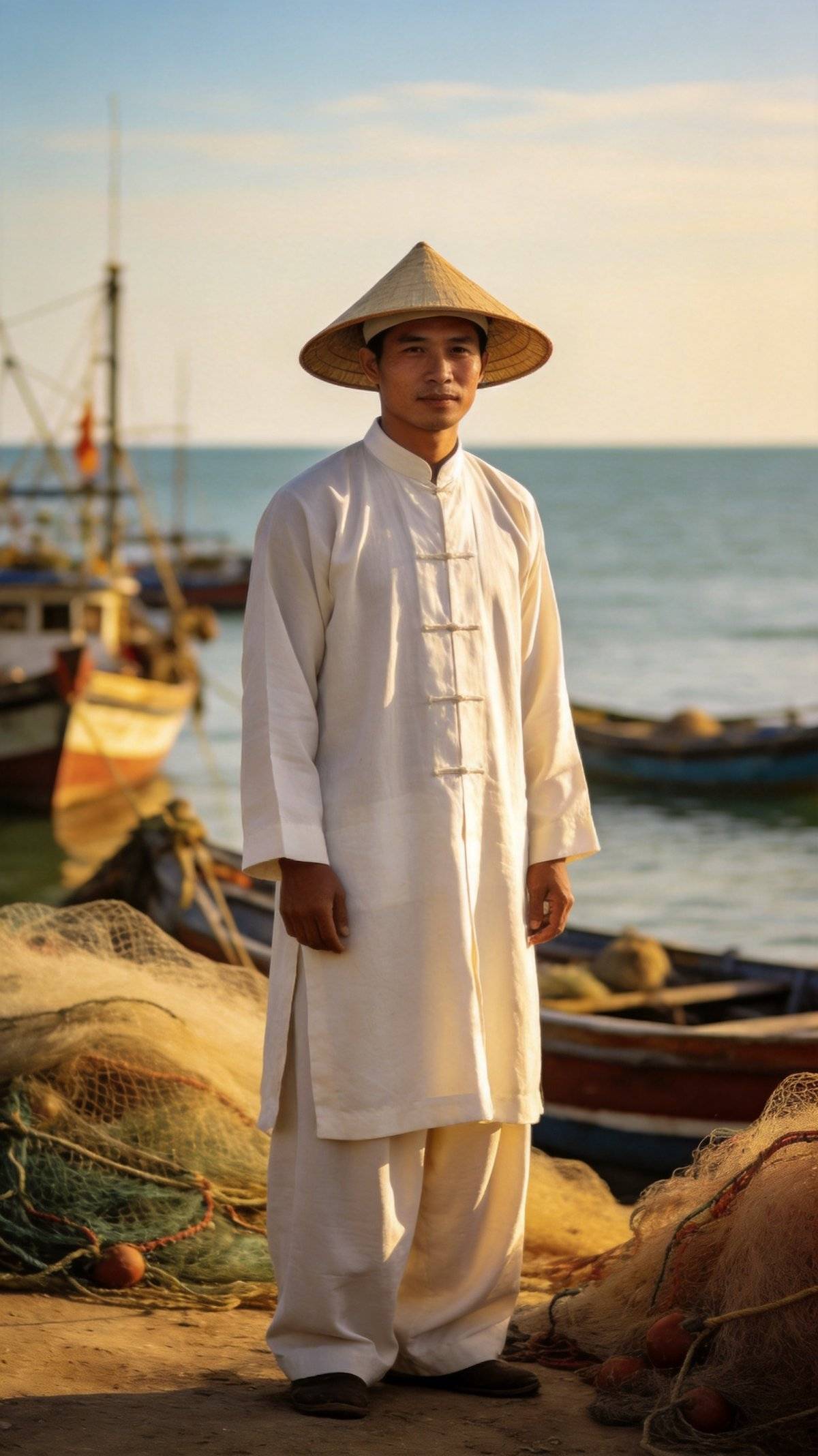
Men wear a simpler four-panel gown or short jacket with trousers, typically in darker colors such as deep blue, black, or dark brown. For daily work, fishermen wear practical short jackets and rolled-up trousers suited to wading in shallow waters. Historically, Gin men also wore a distinctive headwrap — a length of dark cloth wound around the head — though this has largely been replaced by the conical hat for sun protection during outdoor work.
Headwear and Adornments
The conical palm-leaf hat is iconic for women working outdoors. Known as non la in Vietnamese, these hats are handcrafted from palm leaves stitched onto a bamboo frame, creating a lightweight, waterproof, and surprisingly durable head covering that shields the wearer from both tropical sun and monsoon rain. Women also wear floral headbands or hair buns with decorative combs. For festive occasions, women adorn their hair with fresh flowers — frangipani, lotus, or jasmine — whose fragrance complements the elegance of formal ao dai ensembles. Silver and gold jewelry including bracelets, rings, and necklaces complete the festive look.
Embroidery and Decorative Arts
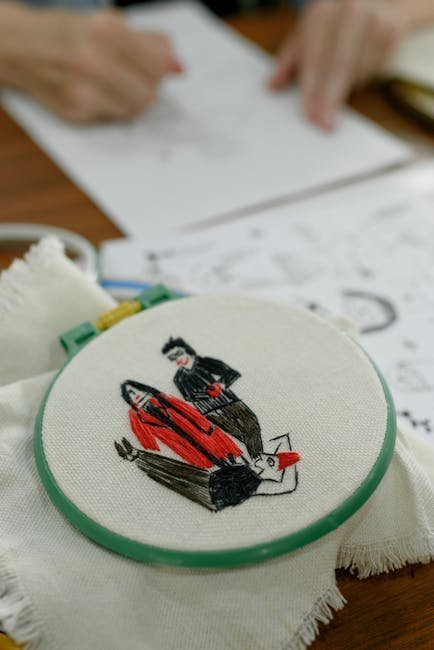
Gin garments feature delicate embroidery on the collar, front placket, and lower hem with small floral patterns in matching or contrasting thread. Unlike the bold geometric embroidery of highland ethnic groups, Gin embroidery favors subtle, elegant designs that complement rather than dominate the garment. Popular motifs include lotus flowers, bamboo leaves, and stylized wave patterns that reflect the maritime environment. The embroidery thread is often chosen to match the fabric color closely — cream on white, pale pink on blush, or lighter blue on sky-blue silk — creating a tone-on-tone effect that catches light rather than demanding attention.
For formal ao dai, more elaborate embroidery may cover the entire front panel or appear as border patterns along the hem and sleeves. Machine embroidery has supplemented handwork in recent decades, but the finest ceremonial garments still rely on hand-stitched decoration. The palm-leaf hat, while primarily functional, also receives decorative treatment — some hats feature a thin silk lining printed with floral patterns, visible only to the wearer and adding a private touch of beauty to an otherwise utilitarian accessory.
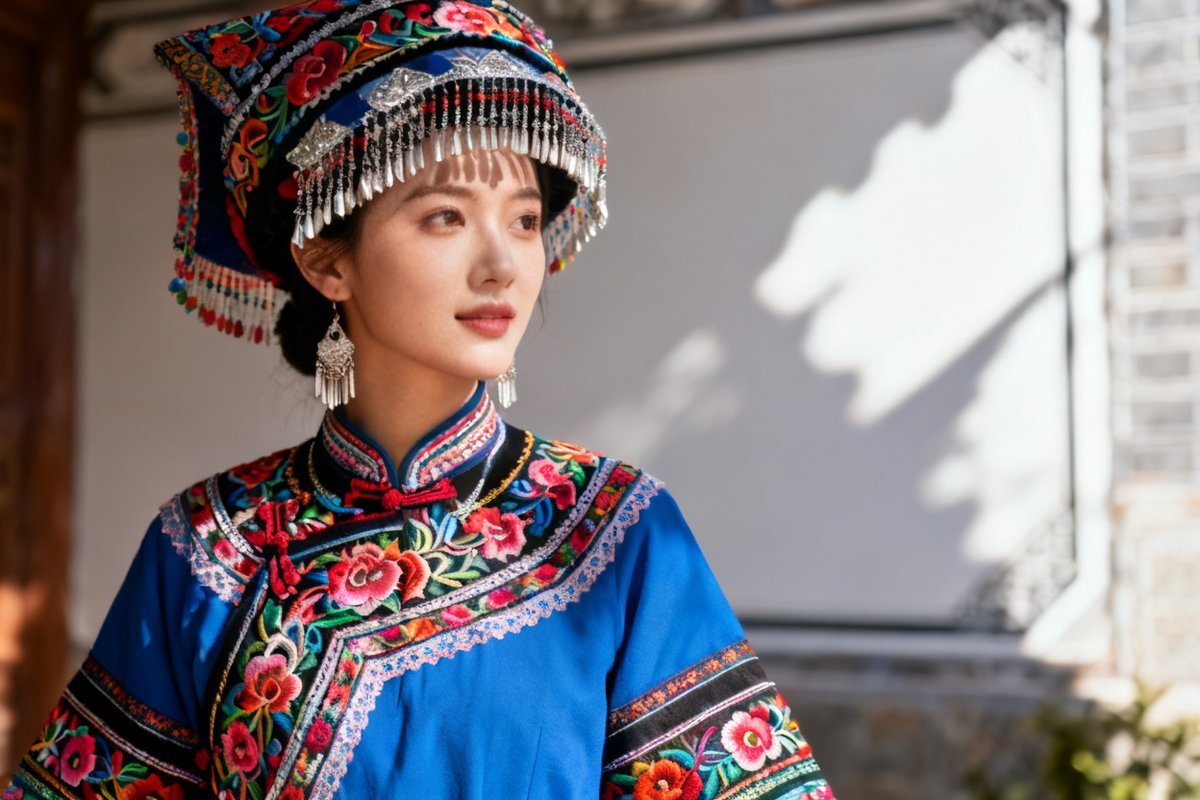
As Chinas only maritime ethnic group, the Gin peoples clothing aesthetic mirrors the soft coastal palette of their island homes - pale blue like the sea at dawn, pink like the shells along their shores.
Color Symbolism
Pastels dominate: soft pink, lavender, light blue, cream, pale yellow, and white. Darker blues and blacks for daily wear and mens clothing. The preference for light, soft colors reflects both the tropical coastal environment — where pale fabrics provide cooling relief from intense sunlight — and the aesthetic values of restraint and harmony central to Gin visual culture. White holds particular significance as the color of purity and new beginnings, making it the traditional choice for bridal ao dai and the preferred color for young women attending temple ceremonies.
Festival Attire
During the Gin Ha Festival, women wear their finest silk ao dai-style tunics in bright pastels, and men wear long gowns. The Ha Festival, the most important annual celebration for the Gin community, takes place in the first lunar month and involves elaborate rituals to honor the sea gods, ancestral spirits, and guardian deities of the islands. The festival features boat processions, communal feasts, and performances of traditional music and dance. For this occasion, women commission new ao dai in the season's most fashionable colors, while men wear formal dark gowns with mandarin collars. Wedding attire among the Gin similarly follows Vietnamese tradition, with brides wearing red or pink ao dai richly decorated with gold embroidery featuring phoenix and dragon motifs — symbols of marital harmony and prosperity.
Modern Influence and Preservation
Gin clothing is nearly identical to the Vietnamese ao dai, a globally recognized garment. The ao dai has seen a remarkable renaissance in recent decades, embraced by Vietnamese women worldwide as a symbol of cultural elegance and worn for weddings, graduations, and formal events. The Gin community participates in this broader cultural revival, with young Gin women wearing contemporary interpretations of the ao dai that feature modern fabrics, updated silhouettes, and fusion designs. Gin cultural festivals in Dongxing attract visitors from across China and Vietnam, showcasing traditional dress alongside folk performances and seafood cuisine. The Jing Islands have been developed as a cultural tourism destination, providing economic incentives for the preservation of traditional crafts including palm-hat making and silk embroidery.
Modern Influence and Preservation
Gin clothing is nearly identical to the Vietnamese ao dai, a globally recognized garment.
Did You Know?
The Gin are Chinas only ethnic group of Vietnamese origin, arriving on three small islands off the Guangxi coast over 400 years ago.
Maritime Influences on Gin Textile Traditions
The Gin people, also known as Kinh or Vietnamese, reside primarily along the coast of Guangxi Province and their clothing traditions reflect a maritime cultural heritage distinct from the inland ethnic groups of China. Lightweight cotton and silk fabrics are preferred for the humid coastal climate, with garments cut loosely to allow airflow. Gin women's traditional attire includes a fitted blouse with a standing collar and a long skirt with side slits for ease of movement. The blouse is typically in pastel or muted tones with minimal ornamentation, creating an elegant simplicity that distinguishes Gin clothing from the more heavily embroidered traditions of neighboring groups.
Gin embroidery focuses on aquatic motifs drawn from the coastal environment, including fish, wave patterns, and water plants. These motifs appear on collar edges, cuffs, and the hem of special occasion garments, embroidered in silk threads that catch the light with movement. Mother-of-pearl buttons are a distinctive feature of Gin formal wear, produced by local artisans who inlay thin slices of seashell into wooden button bases.
Maritime Influences on Gin Textile Traditions
The Gin people, also known as Kinh or Vietnamese, reside primarily along the coast of Guangxi Province and their clothing traditions reflect a maritime cultural heritage distinct from the inland ethnic groups of China. Lightweight cotton and silk fabrics are preferred for the humid coastal climate, with garments cut loosely to allow airflow. Gin women's traditional attire includes a fitted blouse with a standing collar and a long skirt with side slits for ease of movement. The blouse is typically in pastel or muted tones with minimal ornamentation, creating an elegant simplicity that distinguishes Gin clothing from the more heavily embroidered traditions of neighboring groups.
Gin embroidery focuses on aquatic motifs drawn from the coastal environment, including fish, wave patterns, and water plants. These motifs appear on collar edges, cuffs, and the hem of special occasion garments, embroidered in silk threads that catch the light with movement. Mother-of-pearl buttons are a distinctive feature of Gin formal wear, produced by local artisans who inlay thin slices of seashell into wooden button bases.