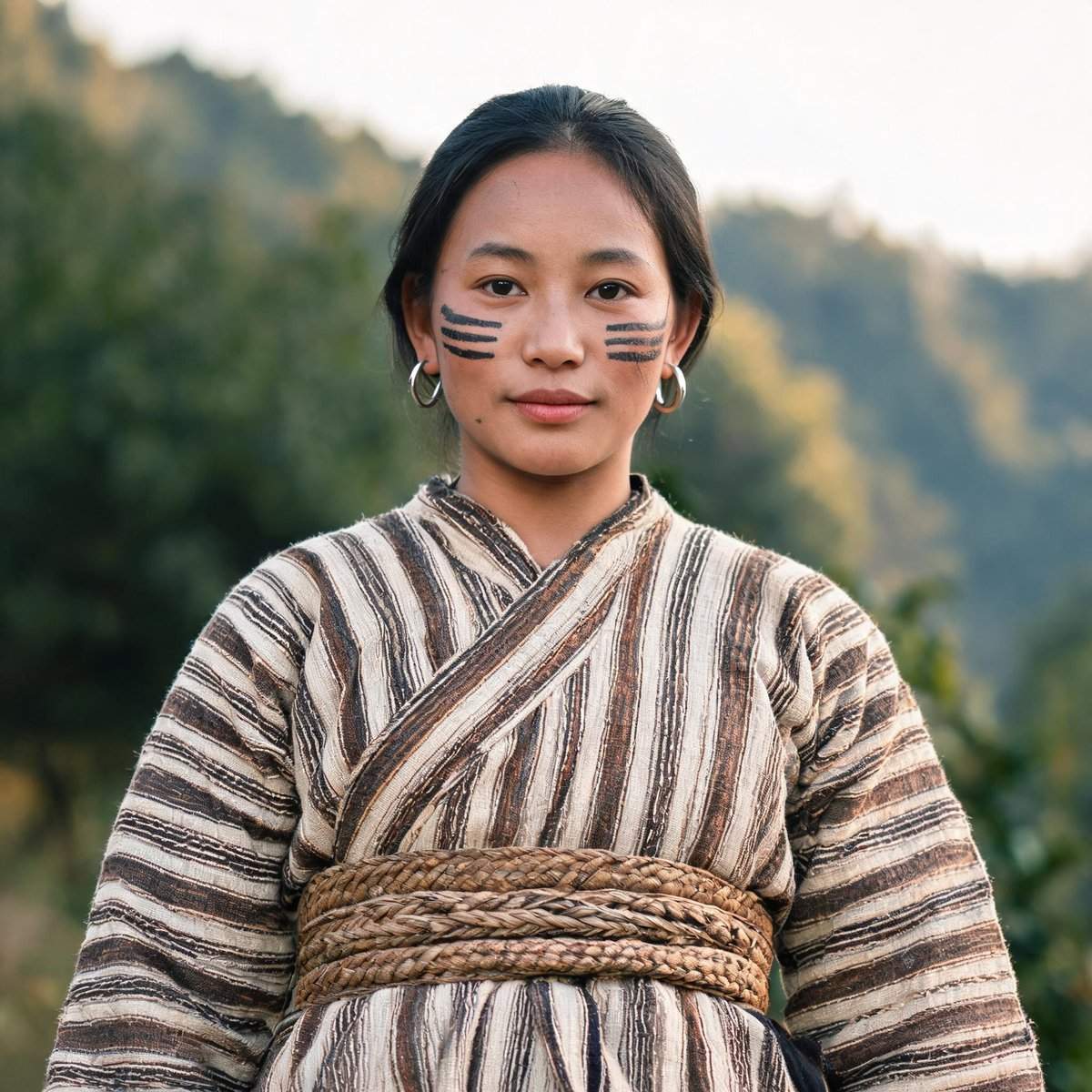
The Derung people, numbering only about 6,000 individuals, are one of the smallest ethnic groups and inhabit the remote Dulong River Valley in Gongshan County of northwestern Yunnan, an area so isolated that it remained inaccessible by road until 1999. This profound geographic isolation preserved one of the most elemental clothing traditions found in Asia. Derung traditional clothing is characterized by a single piece of handwoven hemp or cotton fabric worn wrapped around the body as a cape, secured with a bamboo or rattan belt, and leaving one shoulder bare in the manner of a classical toga. The most iconic Derung textile is the dulong beng, a rectangular striped blanket-cape woven in black and white with occasional colored accent stripes, which functions simultaneously as garment, bedding, and carrier cloth. Derung women were historically tattooed on the face with patterns of lines and dots applied during adolescence, a practice that ended in the 1960s and now survives only among the oldest living women.
Key Features of Derung Attire
- Dulong beng - a distinctive handwoven striped blanket worn as a cape
- Single-piece fabric draping as a primary garment without tailoring
- Natural hemp and cotton fabric in black and white striped patterns
- Patterned bamboo or rattan waistbands and leg bands
- Large silver or bamboo earrings worn by both genders
Traditional Garments
The traditional Derung garment is a single rectangular piece of handwoven fabric approximately one meter wide and two meters long, draped diagonally across the body with one corner thrown over the left shoulder and secured at the waist with a bamboo or rattan belt, leaving the right shoulder and arm bare for freedom of movement during hunting, fishing, and agricultural work. This garment form, known as the dulong beng or Derung blanket, represents one of the simplest clothing constructions possible, a rectangle of cloth used without cutting, sewing, or tailoring. The fabric is striped in black and white or natural hemp tones, with the stripes running lengthwise along the body. In cold weather, two capes may be worn layered, and the fabric's dual function as blanket and garment means the cape is literally the same cloth used for sleeping. Since road access was established, modern shirts and trousers are worn beneath the cape, creating a hybrid dress that maintains the external silhouette of traditional Derung identity while incorporating modern undergarments for warmth and practicality. Men and women wear the same basic garment form, with woven belt patterns or small ornaments differentiating gender and status.
Headwear and Adornments
Both men and women traditionally wear their hair long and loose, sometimes bound with a simple cloth band or woven headband. Women historically wore no structured head covering, adorning their hair with seasonal wildflowers from the Dulong Valley or small bamboo and bone ornaments. The most significant adornment practice is the now-discontinued facial tattooing of women, where patterns of horizontal lines and dots were tattooed across the forehead, cheeks, and chin using bamboo needles and indigo pigment. Various explanations exist for this practice: some accounts describe it as a protective measure to make women less attractive to raiders from stronger neighboring groups, while Derung oral tradition frames it as a rite of passage and beauty practice in its own cultural context. The last tattooed Derung women are now elderly, and the practice has not continued among younger generations. Ear ornaments of coiled bamboo or silver are worn by both genders, and woven leg bands of patterned rattan are worn below the knee by both men and women as an additional garment element unique to Derung dress.
Embroidery and Decorative Arts
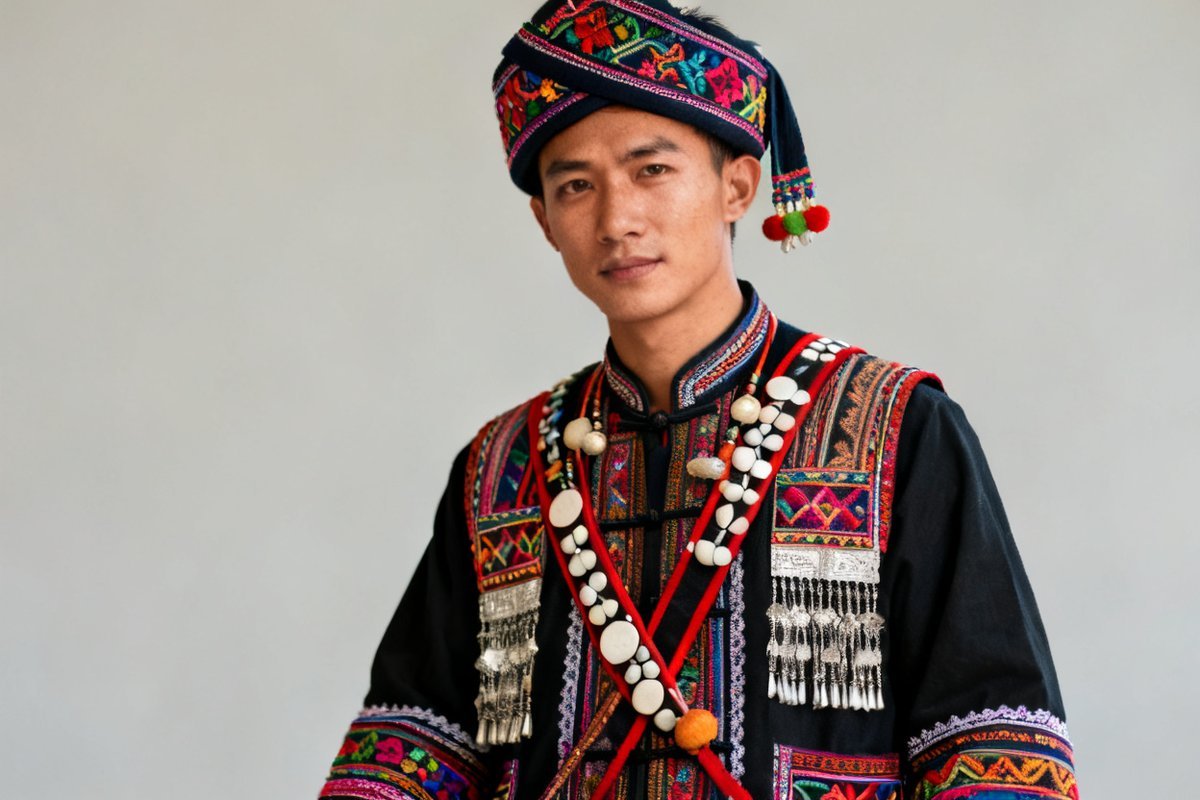
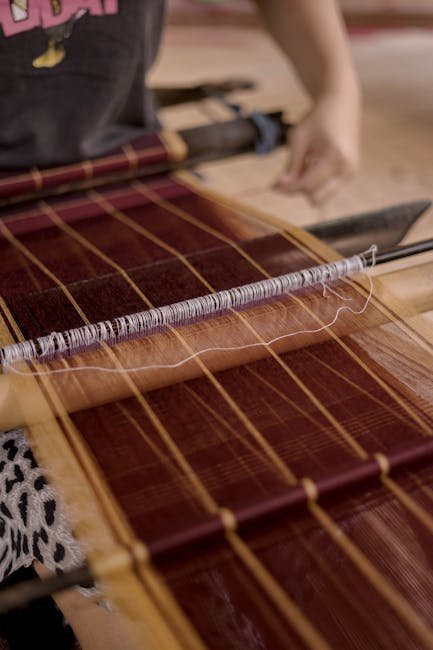
Derung decorative expression is realized through weaving rather than embroidery. The dulong beng fabric achieves its visual character through the rhythmic alternation of black and white warp stripes, with the width and spacing of stripes varying between weavers and communities as a form of individual artistic signature. The weaving is done on simple backstrap looms that can be set up outdoors and easily transported, appropriate to a culture that historically practiced shifting agriculture in steep mountain terrain. The natural hemp fiber, which the Derung have cultivated and processed for countless generations, produces a fabric with distinctive texture and luster that machine-made textiles cannot replicate. Some weavers introduce narrow accent stripes in red, blue, or green derived from plant and mineral dyes. Bamboo and rattan work constitutes the other decorative art form, with belts, leg bands, and ear ornaments crafted from split and shaped rattan, sometimes incorporating simple woven patterns or dyed elements as decoration. The Derung aesthetic is fundamentally about the beauty of materials honestly presented, hemp and bamboo worked with skill but minimal transformation, reflecting a worldview shaped by the austerity and self-sufficiency of life in one of China's most remote and inaccessible valleys.
The Derung single-shoulder cape represents one of the simplest garment forms on earth - a rectangle of cloth, a belt, and the human body - yet its black-and-white stripes encode the Derung peoples understanding of balance between light and darkness.
Color Symbolism
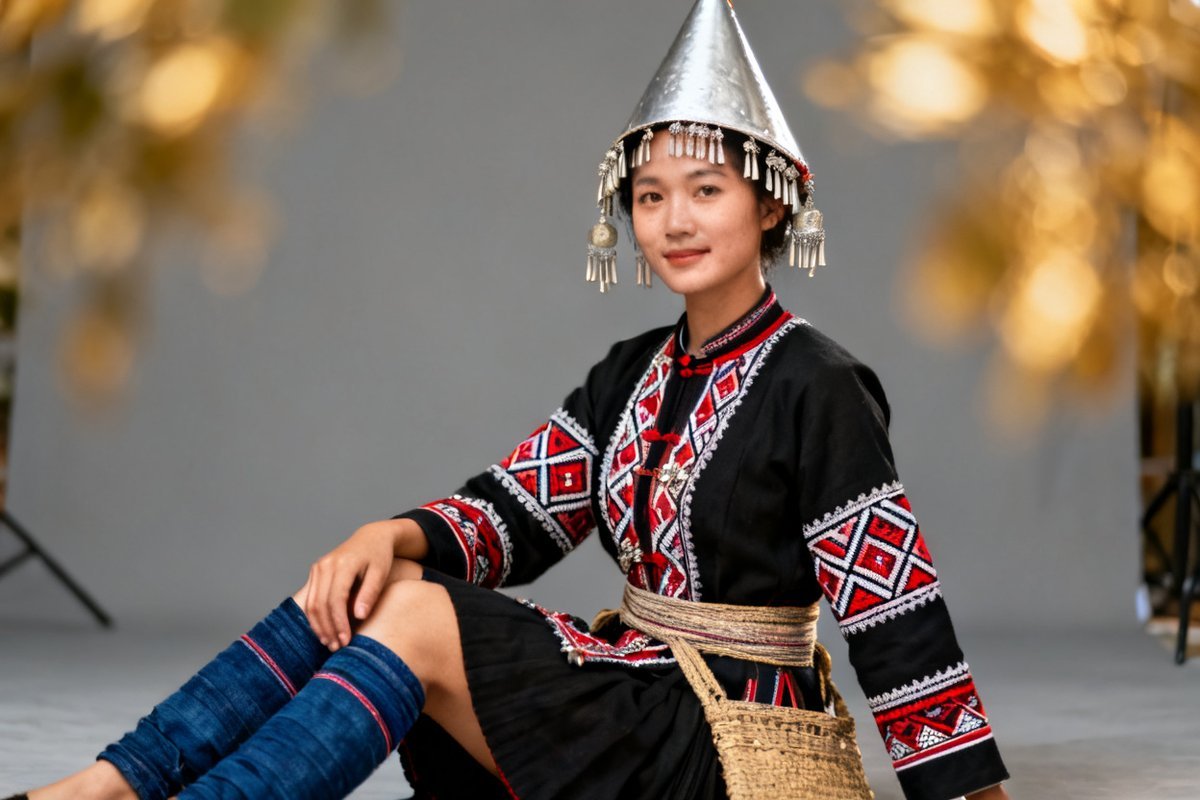
Natural hemp white represents the snow-covered peaks of the Gaoligong Mountains that surround the Dulong Valley and the clouds that shroud the valley for much of the year. Black, achieved through charcoal or indigo dyeing of selected warp threads, represents the dark forest, the fertile soil, and the night sky under which the cape functions as a blanket. The alternating black and white stripes are understood as representing balance between light and darkness, life and death, masculine and feminine principles in the animist worldview of the Derung. Natural browns from undyed hemp provide a warm neutral ground, while the occasional introduction of red accent stripes represents blood, life force, and ancestral connection. Blue and green accents, introduced through trade dyes in more recent times, reference the Dulong River itself and the dense forest vegetation. The overall Derung palette, limited to the colors achievable with local materials, reflects both environmental constraints and aesthetic choices that value the beauty of natural materials presented with minimal chemical intervention.
Festival Attire
During the Kaquewa Festival, the Derung New Year celebration that occurs in the twelfth lunar month, families prepare new dulong beng capes featuring freshly woven fabric with wider accent stripes and more vivid colors than daily wear. The festival involves animal sacrifice, communal feasting, and the hanging of new capes outside homes to display weaving achievements to the community. Young women debut their weaving skill at Kaquewa, presenting their first independently woven cape to family elders for assessment. The cape's function as both garment and ritual object is particularly visible during festival ceremonies where specific capes with particular stripe patterns may be worn by ritual specialists. The rhythmic sound of bamboo and rattan belt ornaments striking against each other during festival dances provides the percussive accompaniment to Derung oral epics recited during these gatherings. Festival dress in Derung culture remains closer to historical forms than in many other ethnic groups, partly because the extreme isolation of the Dulong Valley limited the introduction of alternative clothing traditions until very recently.
Modern Influence and Preservation
Derung weaving traditions are preserved through cultural heritage programs in Gongshan County, where government support has enabled the establishment of weaving workshops that produce traditional striped fabric for both community use and external markets. The completion of the road into the Dulong Valley in 1999 dramatically transformed Derung material culture, introducing modern clothing that is now worn daily by most community members, with the traditional cape reserved for festivals, cultural performances, and occasions when elders choose to wear it. The facial tattooing tradition, now carried only by the last generation of tattooed women, has been extensively documented by ethnographers and photographers as an irreplaceable element of Derung cultural heritage. The dulong beng fabric has found limited appreciation among textile collectors who value its minimalist aesthetic and the quality of Derung hemp processing. The greatest preservation challenge is demographic: with only 6,000 Derung people and fewer than half speaking the Derung language fluently, the number of individuals who possess full knowledge of hemp cultivation, fiber processing, and traditional weaving techniques is critically small, making each skilled weaver an irreplaceable cultural repository.
Did You Know?
Derung women were historically known for facial tattooing (removing all facial hair and tattooing patterns of lines and dots across the face) - a tradition that was nearly universal among Derung women until the 1960s.
Bark Cloth and Body Ornamentation of the Derung
The Derung people of Yunnan's Nu River valley once produced a distinctive form of bark cloth that served as their primary clothing material before modern fabrics became available. The bark was harvested from specific trees, soaked, beaten until soft, and then shaped into simple wraparound garments. While bark cloth is rarely used for daily wear today, the technique survives among older community members who demonstrate it during cultural festivals and educational programs. The beating process requires considerable strength and precision, with the bark being struck hundreds of times with wooden mallets to achieve the desired softness and flexibility.
Glass beads are the most common form of adornment among the Derung, strung into necklaces and bracelets in multiple strands that cover the chest and wrists. The bead colors and arrangement patterns vary between individuals and communities, with some combinations considered especially auspicious. Tattooing was once common among Derung women as a form of permanent adornment, though this practice has largely ceased among younger generations.