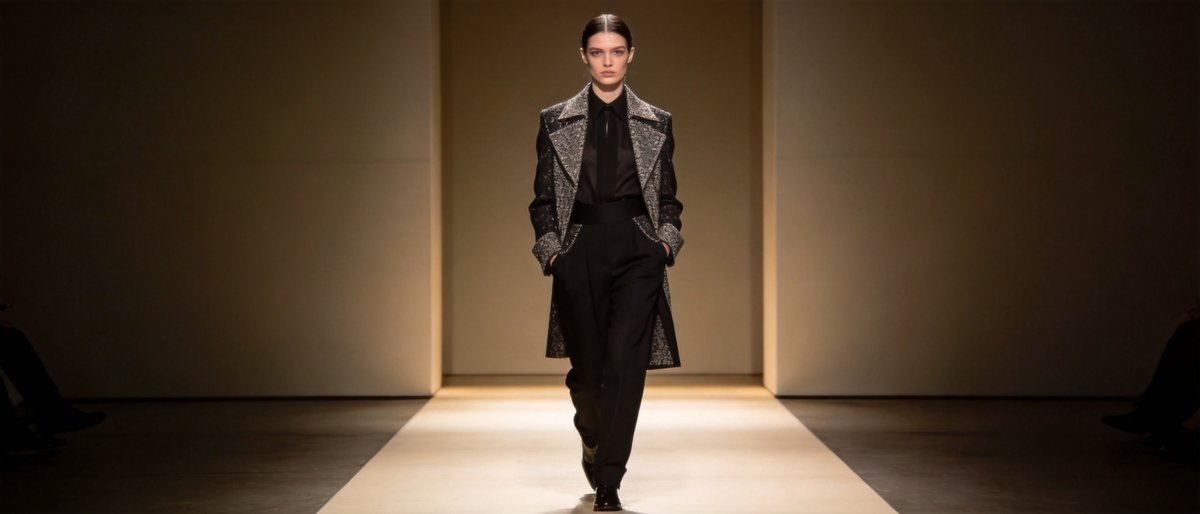
Paris Spring/Summer 2026 fashion week once again confirmed the French capital's position as the arbiter of global style. This season, designers collectively turned away from the maximalism of recent years and embraced what many called 'radical craft' - a return to handcrafted details, artisanal techniques, and the celebration of imperfection. The result was a season of extraordinary creativity that felt both fresh and deeply connected to fashion's heritage.
Key Trends from Paris SS 2026
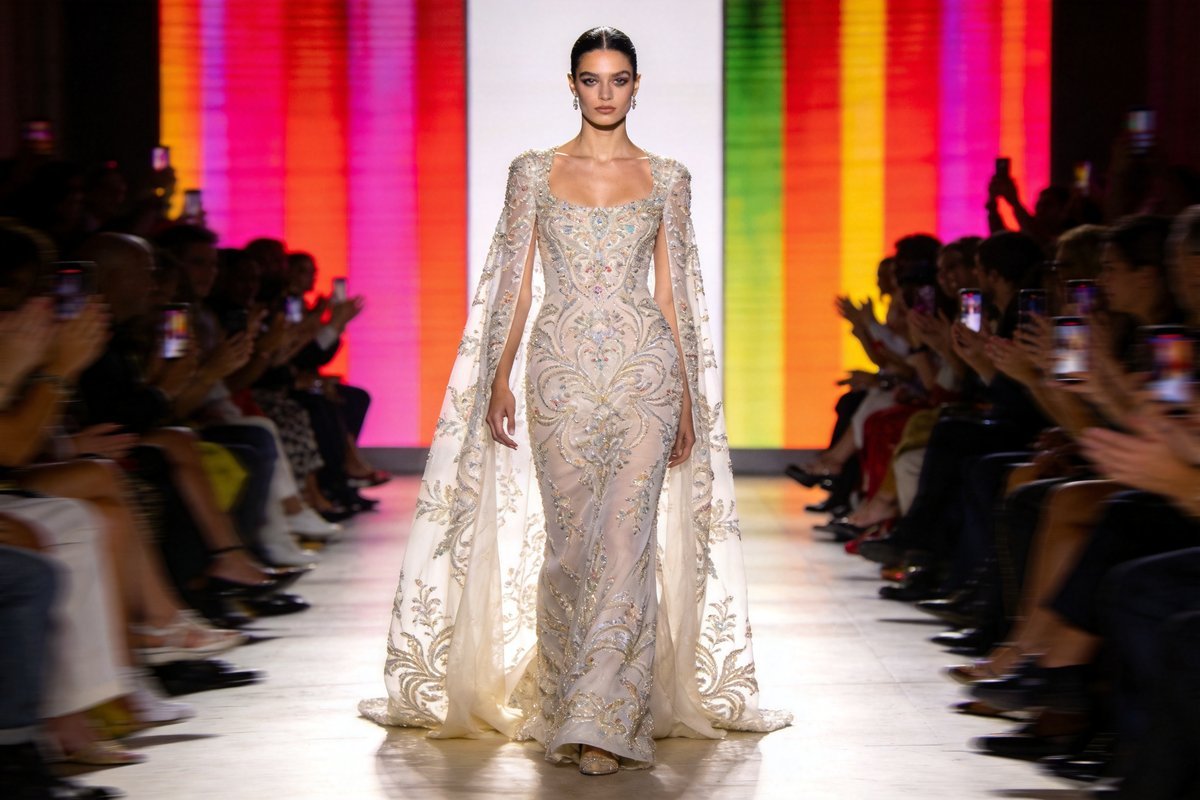
The dominant theme across Paris collections was the celebration of imperfection. Designers showed intentionally unfinished hems, visible stitching, and raw edges that highlighted the hand of the maker. This trend extended to fabric treatments, with crushed, wrinkled, and distressed textiles appearing on runways from the Left Bank to the 16th arrondissement. Contrasting with this deliberate roughness were moments of extraordinary refinement - impeccably cut jackets, precisely draped silks, and beadwork that required hundreds of hours of hand labor.
Color Palette
Paris designers presented a color palette that balanced earthy neutrals with surprising accents. Warm terracotta, sandy beige, and creamy ivory formed the foundation of many collections, punctuated by bold shots of cobalt blue, vermilion, and emerald green. Particularly noteworthy was the prevalence of tomato red, which appeared at multiple major shows. Pastels were noticeably absent, replaced by more substantial, mineral-inspired hues that gave the collections a grounded, sophisticated feeling appropriate for a season focused on craftsmanship and substance.
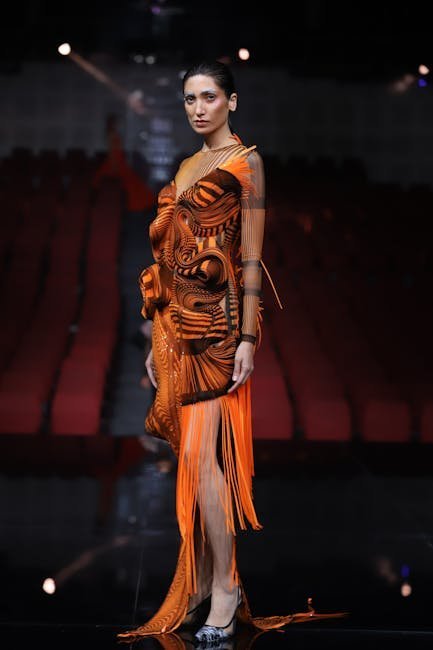
Paris SS 2026 will be remembered as the season fashion fell back in love with the hand. In an age of AI-generated everything, the most radical statement a designer can make is to show the human touch - the stitch, the weave, the imperfection that only a hand can create.
Silhouette and Tailoring
Silhouettes in Paris ranged from the severely sculptural to the softly draped. Tailoring remained important but was reinterpreted through a softer lens, with unconstructed jackets and fluid trousers replacing the power shoulders of recent seasons. The 'new suit' was relaxed, sometimes collarless, and often worn with flat sandals rather than heels. Lengths were generally longer, with midi and maxi hemlines dominating, while shorts emerged as a surprise trend for day-to-evening dressing.
Fabric Innovation
Fabric innovation was at the heart of the Paris season. Several designers showcased their commitment to sustainable luxury by using innovative eco-friendly materials, including biodegradable sequins, plant-based leather alternatives, and recycled luxury fibers. Linen appeared in unexpected refined forms, proving that sustainable fabrics need not sacrifice elegance. The most talked-about textile was a lightweight, triple-weave cotton that held its shape like a structured fabric while feeling almost weightless on the body.
Accessories and Details
Accessories in Paris SS 2026 were bold and architectural. Oversized belts cinched fluid silhouettes at the waist, while bags were scaled up to almost impractical proportions. Jewelry favored organic forms inspired by natural elements - twisted metal, rough stones, and irregular pearls were preferred over polished perfection. Flat footwear dominated the runways, with woven sandals, minimalist slides, and updated espadrilles appearing at nearly every show.
Did You Know?
The most talked-about show at Paris Fashion Week SS 2026 featured models walking through a maze of suspended linen sheets, with the fabric's natural texture and movement serving as the primary visual element - no prints, no patterns, just pure textile expression.
Color and Print Direction
The Paris approach to color and print in SS 2026 was notably restrained. Designers favored solids over patterns, allowing fabric texture and construction to provide visual interest rather than relying on surface decoration. When prints did appear, they were primarily tone-on-tone jacquards and subtle devore velvets that revealed themselves only on close inspection. Florals were notably absent, replaced by abstract, painterly motifs that felt more aligned with the season's artisanal focus. This retreat from bold print represented a broader philosophical shift toward substance over spectacle, a theme that ran through the entire Paris season. The message was that true luxury does not need to shout.
Notable Designers and Maisons
The Paris SS 2026 calendar featured a compelling mix of heritage maisons and independent designers. One legendary house presented a collection that masterfully balanced its archive with innovation, drawing on decades of craftsmanship while introducing silhouettes that felt entirely contemporary. A newer independent designer, showing for only the third time on the official calendar, delivered a collection that several editors called the season's breakout moment, with hand-pleated garments and hand-dyed textiles that took months to produce. The dialogue between institutional knowledge and fresh perspective is what keeps Paris at the center of the fashion universe. This season demonstrated that Paris remains the destination where technical mastery and creative ambition meet at the highest level, producing work that sets the agenda for the entire global industry.
The Business of Paris Fashion
Paris Fashion Week is the commercial apex of the global fashion calendar, generating billions in revenue through orders, licensing, and brand exposure. The SS 2026 season saw several significant business developments, including the appointment of new creative directors at two major houses whose debuts will come in future seasons. The luxury conglomerates that dominate Paris fashion continued to invest heavily in sustainability initiatives, in-store experiences, and digital innovation. The front rows were filled not just with editors and celebrities but with the CEOs and executives who make the commercial decisions that shape the global fashion industry, underscoring Paris's dual role as both creative capital and business hub. The fusion of art and commerce in Paris is not a compromise but a symbiosis that has powered the French fashion industry for centuries and shows no sign of weakening.
Street Style and Global Influence
Paris street style during fashion week remains the most photographed and influential in the world. The SS 2026 season saw attendees embracing the radical craft theme, with visible handwork, artisanal accessories, and one-of-a-kind vintage pieces dominating the sidewalks outside the shows. The Parisian approach to dressing, effortless and intellectual, continues to inspire fashion enthusiasts globally even as the actual looks evolve each season. What sets Paris apart is not any single trend but the collective sense that fashion here matters, that clothes carry meaning beyond commerce, and that the conversation between runway and reality is the most important dialogue in the industry. Paris does not dictate what to wear so much as it defines how to think about clothing. That intellectual dimension is what separates the City of Light from every other fashion capital, and it is why Paris will remain the center of the fashion world for generations to come.
Defining Trends of Paris SS 2026
Paris Fashion Week for Spring-Summer 2026 demonstrated why the city remains the undisputed capital of global fashion, presenting collections that balanced artistic vision with commercial sophistication. The season theme of radical craft emerged as a unifying concept across major houses, with designers emphasizing handcrafted details, artisanal techniques, and the beauty of human skill in an increasingly automated world. Deconstructed tailoring was a dominant trend, with jackets missing sleeves, skirts with exposed seams, and dresses that appeared to be in a state of becoming, celebrating the construction process rather than hiding it. This embrace of imperfection and process reflected a broader cultural shift toward authenticity and transparency in luxury fashion, where the value of a garment is measured not only by its appearance but by the skill and labor required to create it.
The eco-luxe movement reached new heights during Paris SS 2026, with major luxury houses committing to sustainability without compromising their aesthetic standards. Several collections featured fabrics developed from innovative sources such as grape leather, mushroom-based materials, and biodegradable sequins, proving that environmental responsibility and high fashion are not mutually exclusive. The emphasis on quality over quantity was evident in collections designed around the concept of investment pieces, garments intended to be worn for decades rather than a single season. Parisian designers argued through their collections that true luxury lies not in novelty but in enduring design, superior materials, and the kind of craftsmanship that improves with age. This philosophy positions sustainability as a natural extension of luxury values rather than a concession to consumer pressure.
Color Blocking and the Parisian Palette
Paris SS 2026 presented a sophisticated approach to color that combined bold blocking with neutral foundations. Warm terracotta, the season defining color, appeared across multiple collections in everything from flowing maxi dresses to tailored separates, its earthy warmth providing a counterpoint to the clinical whites and grays that dominated recent seasons. This was paired with dusty pink, saffron yellow, and pale lavender, creating a palette that felt both fresh and timeless. Designers used color blocking techniques with precision, placing blocks of contrasting hues at strategic points to create visual interest and optical illusions that flattered the figure. Neutral foundations in cream, beige, and stone provided the canvas for these color statements, ensuring that even the boldest combinations remained elegant and wearable.
The Parisian approach to accessorizing was notably restrained, with designers allowing the garments themselves to take center stage. Jewelry was minimal when present at all, and footwear was predominantly understated, with barely-there sandals, simple mules, and low-heeled slingbacks allowing the clothing to command attention. Bags were carried in natural leathers without prominent logos, reflecting a shift toward understated luxury that values quality over branding. The overall effect was one of confident simplicity, where the quality of the materials and the precision of the cut communicated luxury more effectively than any logo or embellishment could. This distinctly Parisian approach to fashion, where restraint is the ultimate expression of sophistication, ensured that Paris SS 2026 collections felt both contemporary and timeless, setting the direction for global fashion in the seasons ahead.