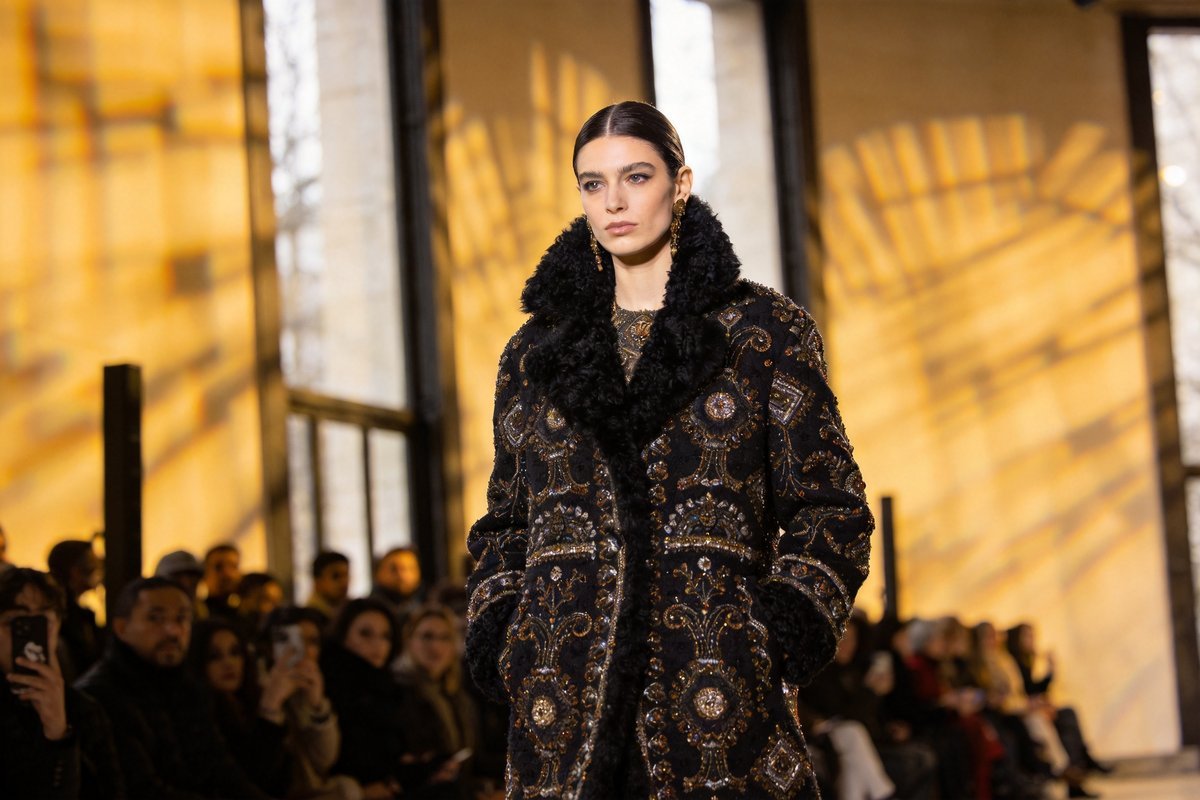
Milan Fall/Winter 2026 fashion week showcased Italian fashion at its most confident and opulent. While Paris pursued artisanal craft, Milan doubled down on luxury, presenting collections that celebrated richness, texture, and the unmistakable quality of Italian tailoring. The season was characterized by a return to substantial winter fabrics, dramatic outerwear, and a color palette drawn from the depths of precious gemstones.
Key Trends from Milan FW 2026
Milan's key message for Fall/Winter 2026 was 'more is more' - but with restraint. Designers showed opulent fabrics in carefully considered volumes, creating looks that were undeniably luxurious without being ostentatious. The Milanese approach to winter dressing emphasized texture over pattern, with collections built around the interplay of different fabrics - cashmere against leather, wool against silk, and fur against knit. This tactility was the defining characteristic of the season.
Color Palette
The Milan color story was dominated by deep, saturated jewel tones. Emerald green appeared as the season's most important color, followed by sapphire blue, amethyst purple, and ruby red. These rich hues were balanced by grounding neutrals including charcoal, camel, and chocolate brown. Particularly striking was the combination of deep green with black, a color pairing that appeared across multiple collections and promises to be one of the season's most influential combinations.
Milan's Fall/Winter 2026 runways reminded us why Italian fashion endures. While trends come and go, the Italian commitment to quality, to fabric, to cut - these are not trends. They are standards.
Outerwear Focus
Outerwear took center stage in Milan, with designers presenting some of the most dramatic coats seen in recent seasons. Oversized silhouettes dominated, with coats and jackets featuring exaggerated shoulders, generous proportions, and luxurious collars. The cocoon coat, in particular, emerged as a key silhouette - voluminous through the body and tapering at the hem, often made from double-faced cashmere or wool-cashmere blends. Practical details like multiple pockets and storm flaps were elevated through luxurious materials and impeccable construction.
Knitwear Renaissance
Knitwear received unprecedented attention in Milan this season. Cashmere, merino, and blended yarns were used to create pieces that ranged from lightweight layering items to substantial statement sweaters. The chunky cable knit was reinvented in refined yarns, while fine-gauge knits featured subtle textures and patterns that revealed themselves on close inspection. The concept of the 'knit suit' - a coordinated sweater and skirt or trouser set - emerged as an important trend for the season, offering a softer alternative to traditional tailoring.
Accessories and Details
Milan's accessories for FW 2026 were characterized by their substance and quality. Leather goods featured the finest Italian leathers with minimal hardware, allowing the material quality to speak for itself. Boots were an important category, with knee-high and over-the-knee styles appearing at multiple shows. Jewelry was significant but not ostentatious, with gold-tone pieces in sculptural, organic shapes providing the perfect complement to the season's rich textiles.
Did You Know?
One Milanese house reportedly used over 500 meters of cashmere yarn for a single sweater, which required weeks of hand-knitting by artisans in the Italian Alps. The retail price exceeded that of many luxury cars.
Eveningwear and Formal Dressing
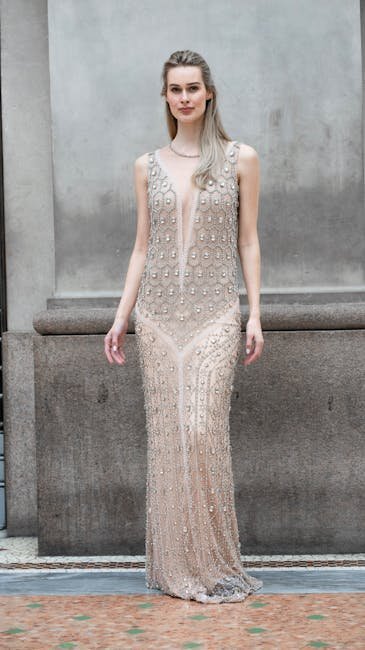
While outerwear dominated the daywear conversation, Milan's eveningwear for FW 2026 was equally compelling. Designers presented floor-length gowns in velvet, silk satin, and metallic brocades that captured the season's jewel-tone palette at its most dramatic. The key silhouette was the column dress, often featuring a single dramatic element: an open back, a sculptural sleeve, or a cascading train. What distinguished Milan's eveningwear from that of other fashion capitals was its commitment to old-world glamour executed with modern sensibility. These were not costume pieces but genuine red-carpet contenders, designed for women who attend galas and award ceremonies as part of their professional lives.
Notable Designers and Collections
Milan's established fashion houses delivered collections that reinforced their positions at the apex of luxury fashion. One historic house presented a collection that reimagined its founder's signature silhouettes through a modern lens, updating proportions while preserving the unmistakable DNA of the brand. Another major label focused entirely on outerwear, with each look built around a statement coat that demonstrated the house's mastery of construction and fabric. Emerging designers brought fresh energy as well, with several young brands exploring the intersection of Italian craftsmanship and contemporary street culture. The generational dialogue between heritage and innovation produced some of the most compelling work of the season, proving that Milan's strength lies not in chasing trends but in refining and elevating the traditions that made Italian fashion great.
The Business of Italian Fashion
Milan Fashion Week is not just a creative showcase but a critical business event for the global fashion industry. Italy's fashion sector generates over 90 billion euros annually, and the FW 2026 shows reflected the industry's strategic priorities. Several houses announced new sustainability initiatives, including a consortium of luxury brands committed to traceable supply chains and reduced carbon footprints. The importance of the Asian market was evident in the front rows and in design choices, with several collections incorporating subtle references that resonated with international buyers. Milan's unique position as both a creative and manufacturing hub gives its fashion week a commercial weight that other cities cannot match. The supply chain that supports Italian fashion, from textile mills in Biella to leather workshops in Tuscany, is the invisible infrastructure that makes Milan's runway fantasies commercially viable.
Street Style and Consumer Takeaway
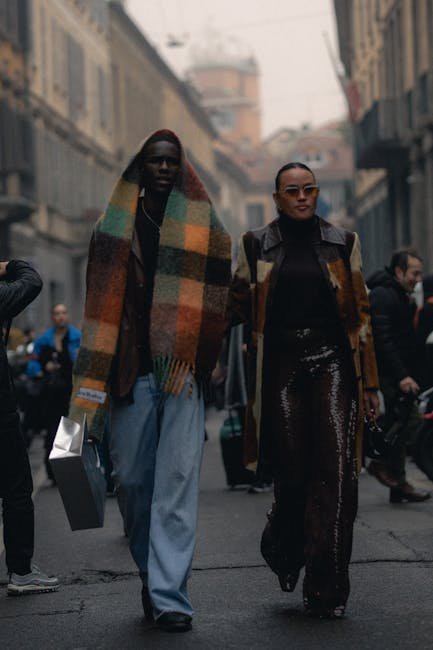
The street style outside Milan's show venues reflected the season's emphasis on luxury and quality. Attendees favored head-to-toe designer looks in the season's jewel tones, with particular emphasis on outerwear and accessories. The most photographed pieces were statement coats, oversized bags, and knee-high boots, all of which aligned with the runway trends. What distinguished Milan's street style from other fashion capitals was its polish: even the most experimental looks were executed with an attention to detail that reflected the Italian approach to dressing. For consumers, the key takeaway from Milan FW 2026 was clear: invest in quality pieces in rich colors, and build a wardrobe around exceptional outerwear. The Italian philosophy of buying fewer pieces of higher quality has never felt more relevant than in this season of extraordinary textiles and impeccable construction.
Defining Trends of Milan FW 2026
Milan Fall-Winter 2026 reaffirmed the city reputation as the global capital of luxury tailoring, with designers presenting collections that combined impeccable craftsmanship with a bold new attitude. The dominant silhouette of the season was oversized outerwear, with voluminous coats and jackets featuring wide lapels, dropped shoulders, and generous proportions that enveloped the wearer in luxurious fabric. These dramatic outer pieces were balanced by more fitted under layers, creating a play between volume and restraint that characterized the Milanese approach to winter dressing. Cashmere, camel hair, and double-face wool were the fabrics of choice, chosen for both their thermal properties and their ability to hold the clean lines that Italian tailoring is famous for.
Knitwear emerged as a central focus of Milan FW 2026 collections, elevated from a cold-weather necessity to a category of high fashion. Designers presented chunky cable knits, fine-gauge cashmere turtlenecks, and artfully distressed sweaters that combined comfort with sophistication. The knitted dress, often featuring ribbed textures and asymmetrical details, was a recurring silhouette across multiple shows. Italian knitwear brands showcased technical innovations such as seamless construction and three-dimensional knitting techniques that allowed for complex patterns and textures without the bulk of traditional knitting. The emphasis on knitwear reflected a broader shift in fashion toward comfortable, wearable luxury that does not sacrifice style for practicality, a trend that Milan designers have embraced with characteristic elegance.
Color Palette and Material Innovation
The Milan FW 2026 color story was dominated by deep, saturated jewel tones that brought warmth and richness to the winter season. Deep emerald green emerged as the most significant color of the season, appearing across evening gowns, tailored suits, and accessories with equal impact. This was complemented by sapphire blue, amethyst purple, and ruby red, creating a palette that evoked the opulence of Renaissance paintings while remaining thoroughly contemporary. Earth tones such as chestnut brown, taupe, and burnt sienna provided grounding neutrals, while touches of metallic gold and silver added luminosity to evening collections. The overall effect was one of sophisticated richness, with colors that felt both luxurious and deeply connected to Italian artistic heritage.
Italian textile innovation was on full display during Milan FW 2026, with mills presenting fabrics that pushed the boundaries of what textiles can achieve. Cashmere blended with silk created fabrics with unprecedented softness and drape, while wool blended with technical fibers produced fabrics that were both warm and lightweight. Fur alternatives, both faux and innovative plant-based materials, appeared extensively as major houses responded to growing demand for animal-free luxury. Leather, a cornerstone of Italian fashion, was presented in new treatments including vegetable-tanned finishes, embossed patterns, and ultra-soft nappa that felt like a second skin. The collaboration between designers and Italy world-renowned textile mills resulted in collections that were not only visually stunning but also demonstrated the technological sophistication that keeps Italian fashion at the forefront of the global industry.