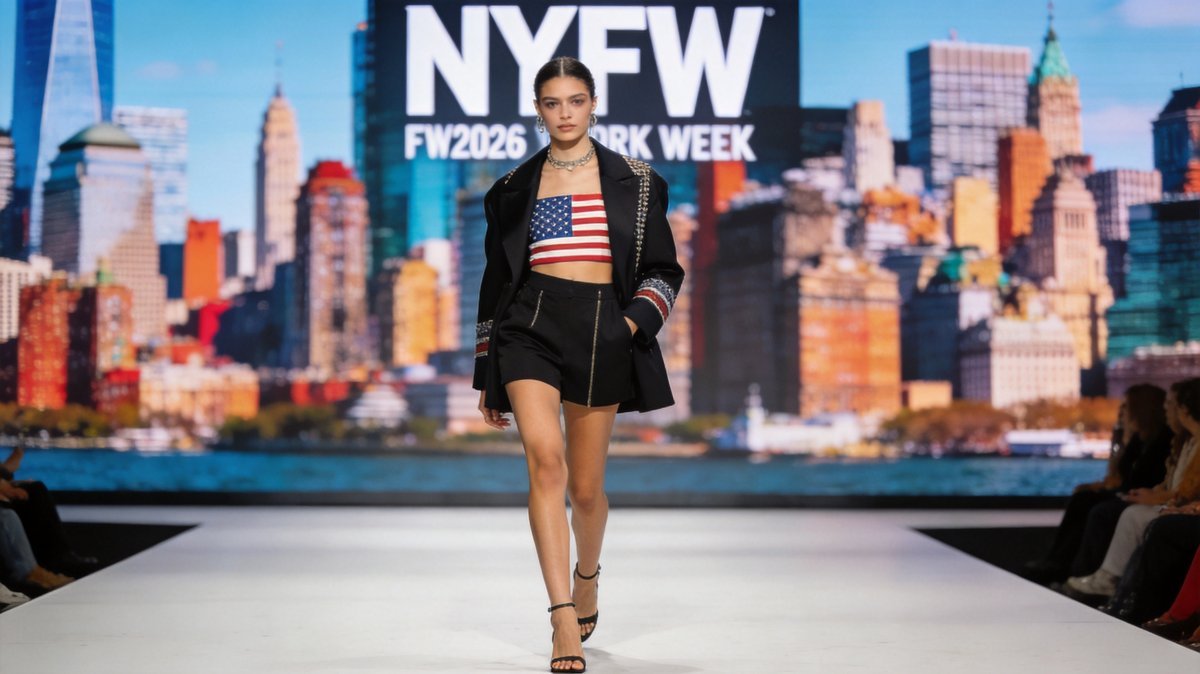
New York Fall/Winter 2026 fashion week demonstrated that American fashion is in a period of confident reinvention. After years of looking to Europe for direction, American designers are increasingly finding inspiration in their own traditions, particularly the heritage of American sportswear. This season, designers reimagined classic American garments - the sweatshirt, the bomber jacket, the tailored trouser - with a new level of sophistication and attention to detail.
Key Trends from NY FW 2026
The dominant narrative of New York FW 2026 was the elevation of everyday clothing. Designers applied high-fashion treatment to humble garments, creating luxury sweatshirts, refined cargo pants, and sophisticated puffer jackets. This 'luxury utility' trend acknowledged the reality of how people actually dress while injecting a new level of quality and design intelligence into casual silhouettes. The result was a season of remarkably wearable yet fashion-forward collections that felt distinctly American.
Color Palette
New York's color palette for FW 2026 was grounded and urban. Charcoal gray emerged as the season's foundation color, appearing in various intensities from light heather to almost-black. This serious base was punctuated by warm accents - rust orange, mustard yellow, and burgundy - that added visual interest without overwhelming the collections. Particularly notable was the prevalence of olive and khaki tones, reflecting the utility and military-inspired themes that ran through many collections.
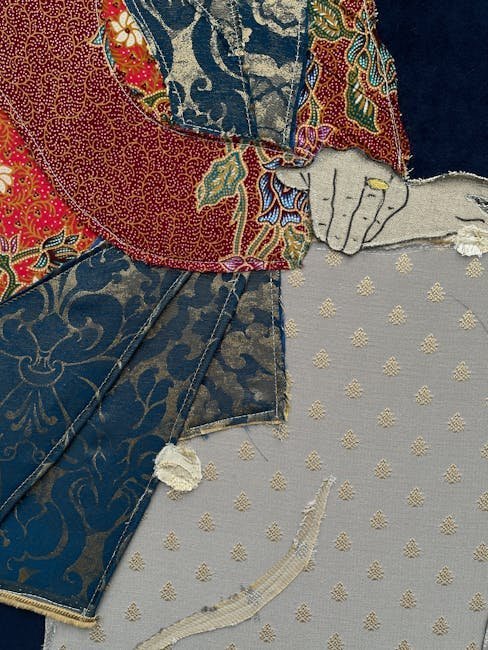
New York fashion has always been about what real women want to wear. This season, that meant clothes that move, that work, that adapt - but never compromise on style. American sportswear is not just alive; it is leading the conversation.
Gender-Fluid Fashion
New York continues to lead the fashion industry in gender-fluid design. Several major shows featured collections that were not separated into men's and women's looks, with models of all genders wearing the same garments. This is not a trend but an evolution in how fashion thinks about clothing. The best gender-fluid collections avoid the obvious solution of simply making everything oversized. Instead, they create garments that work on different bodies through clever design, adjustable elements, and a focus on universal fit.
Tailoring Reimagined
New York's approach to tailoring this season was notably more relaxed than Milan's or Paris's. Designers showed suits with soft shoulders, unpadded jackets, and trousers with gentle draping rather than sharp creases. The message was that tailoring need not be stiff or uncomfortable to be elegant. Several collections featured deconstructed suiting, where jacket linings became outer surfaces and traditional construction details were exposed and celebrated.
Layering and Texture
FW 2026 in New York was a masterclass in layered dressing. Designers showed multiple layers in contrasting textures - fine knits under oversized shirts, sheer fabrics over opaque ones, and quilted pieces paired with smooth leather. The layering was not just practical but aesthetic, creating visual complexity through the interplay of different weights, textures, and transparencies. This trend is particularly well-suited to the American market, where versatile, layered dressing is essential for navigating variable indoor and outdoor temperatures.
Did You Know?
A major highlight of NYFW was a show held in a working New York bodega, where models wove through actual customers buying groceries. The collection featured 'everyday luxury' pieces designed to be worn while running errands, picking up coffee, or commuting to work.
Accessories and Footwear Direction
New York's accessories story for FW 2026 was defined by practicality elevated to luxury. The standout footwear trend was the refined combat boot, appearing in polished leather with subtle hardware at multiple shows. Bags favored oversized, slouchy silhouettes in buttery leathers that could carry everything a modern life requires while maintaining an effortless elegance. Belting was significant, with wide leather belts cinching oversized coats and blazers to create shape. Jewelry designers showing alongside the ready-to-wear collections emphasized mixed metals and organic forms, with silver and gold worn together in a deliberate rejection of traditional matching conventions. The overall message from New York accessories was clear: everyday items deserve the same design attention as runway showpieces.
Notable Designers and Shows
Several established American designers delivered career-defining collections at NYFW. One veteran designer celebrated an anniversary with a retrospective-inspired collection that looked forward rather than backward, reinterpreting archival signatures with contemporary fabric technology and modern proportions. A younger designer presented a collection that explored the concept of American identity through clothing, combining workwear references with luxury fabrication in a way that felt both personal and universal. The return of a major brand to the NYFW calendar after a multi-season absence brought additional energy and attention to the week. The collections collectively told a story of American fashion coming into its own, drawing strength from its sportswear heritage while pushing into new territory of craftsmanship and conceptual depth that was once considered exclusively European domain.
Diversity and Representation
New York continued to set the standard for diversity on the runway. The FW 2026 shows featured models of all sizes, ages, and backgrounds, with several designers making explicit commitments to inclusive casting. This commitment extended beyond the runway to the design process itself, with adaptive fashion collections designed for people with disabilities appearing at multiple shows. Size inclusivity was particularly notable, with several major brands showing garments in an extended size range directly on the runway rather than relegating plus-size options to separate collections. New York's leadership in this area reflects both the city's values and the commercial reality that the American consumer market demands representation. Designers who fail to address this reality are increasingly seen as out of touch, while those who embrace it find themselves rewarded with cultural relevance and commercial success.
Commercial Impact and Retail Strategy
New York Fashion Week has evolved its commercial model significantly. The traditional show-and-wholesale cycle is being supplemented by direct-to-consumer strategies, with several designers making collections available for immediate purchase rather than months after the show. The see-now-buy-now model, controversial when first introduced, has matured into a more nuanced approach where brands offer select pieces immediately while maintaining traditional timelines for more complex garments. This hybrid model addresses the modern consumer's expectation of immediacy while preserving the fashion calendar's role in building anticipation and editorial coverage. For the American fashion industry, which has faced significant retail disruption, NYFW remains a critical platform for connecting creativity with commerce. The designers who succeeded this season were those who understood that fashion is both art and business, and that neglecting either dimension leads to irrelevance.
Tags
Key Trends from New York FW 2026
New York Fashion Week for Fall-Winter 2026 showcased American fashion distinctive strength in reimagining sportswear for a contemporary audience. The defining trend was the elevation of utilitarian dressing, with designers transforming workwear and military-inspired garments into sophisticated fashion statements. Cargo pockets, utility belts, and hardware details appeared on everything from tailored trousers to evening dresses, reflecting a broader cultural interest in functional fashion. Layering was approached with architectural precision, with designers combining multiple textures and silhouettes in single looks that demonstrated the versatility of American sportswear traditions. The concept of capsule wardrobes, where a limited number of pieces can be combined to create numerous outfits, was central to many New York collections, reflecting the practical, solution-oriented approach that distinguishes American fashion.
Gender-fluid dressing continued to gain momentum on New York runways, with designers challenging traditional menswear and womenswear categories. Several collections featured identical looks styled on models of different genders, emphasizing the universality of good design rather than gender-specific tailoring. Oversized silhouettes, relaxed tailoring, and shared wardrobe pieces such as greatcoats, wide-leg trousers, and chunky knits were presented without gender designation, reflecting the industry gradual shift toward more inclusive fashion. New York designers were particularly adept at balancing this conceptual approach with commercial appeal, creating collections that advanced progressive ideas while remaining accessible to a broad customer base. The result was fashion that felt both forward-thinking and immediately wearable, a balance that New York Fashion Week has made its signature.
Colors, Textures, and American Identity
The New York FW 2026 color palette was notably restrained compared to other fashion capitals, with designers favoring a sophisticated range of neutrals punctuated by strategic pops of color. Charcoal gray emerged as the season foundational neutral, appearing in everything from tailored trousers to cashmere coats, its versatility making it an essential building block for any wardrobe. This was complemented by shades of oatmeal, camel, and slate blue, creating a palette of quiet sophistication that reflected the mood of urban American dressing. When color appeared, it was used deliberately, with mustard yellow, rust orange, and forest green providing warmth without overwhelming the restrained aesthetic. This disciplined approach to color demonstrated a confidence in the power of cut, texture, and proportion to create impact without relying on bright hues.
Texture played an unusually important role in New York collections, compensating for the restrained color palette through rich material combinations. Shearing, boucle, and brushed wool provided tactile interest in outerwear, while velvet and corduroy added depth to tailored pieces and evening wear. The contrast between matte and shiny surfaces, rough knits and smooth leather, created visual complexity that engaged the viewer on multiple levels. American designers also embraced the heritage textiles of the United States, with denim, wool blanket fabric, and Native American-inspired patterns appearing in collections that connected contemporary fashion to American cultural history. This emphasis on texture and heritage reflected a broader trend in American fashion toward authenticity and craftsmanship, moving beyond the minimalist stereotypes that have long defined perceptions of New York style.