
The white shirt is the foundation garment of the modern wardrobe. Its journey from Victorian undergarment to unisex power piece spans more than a century and touches on nearly every major social and cultural shift of the modern era. The white shirt's genius lies in its simplicity - it is a blank canvas that can be styled for any occasion, any gender, and any aesthetic. No other garment has achieved such universal versatility.
Victorian Origins
In the nineteenth century, the white shirt began as an undergarment, worn beneath a vest and jacket and largely invisible to the outside world. Only the collar and cuffs were meant to be seen. These detachable collars and cuffs were starched to rigidity and were often the most lavishly decorated parts of a man's ensemble. The shirt itself was made of white cotton or linen, colors that signaled cleanliness and social status, since white garments required frequent laundering that only the wealthy could afford.
The Rise of the Ready-Made Shirt
The invention of the sewing machine and the growth of the ready-made clothing industry in the late nineteenth century transformed the white shirt from a bespoke luxury into an accessible commodity. Arrow and other American shirt manufacturers pioneered standardized sizing and mass production, making good-quality white shirts available to the middle class. The button-down collar, invented by Brooks Brothers in 1896 for polo players who needed to keep their collars from flapping, became an American classic.
Women and the White Shirt
Women's adoption of the white shirt was a significant moment in fashion history. In the 1920s, women began wearing men's-style shirts as a statement of independence and equality. Coco Chanel was among the first to incorporate the white shirt into women's fashion, pairing it with tailored trousers or skirts. The white shirt became a symbol of the modern woman - practical, professional, and confident. In the 1970s and 1980s, the white shirt became a key element of power dressing, worn by women entering the corporate world who needed to project authority and competence.
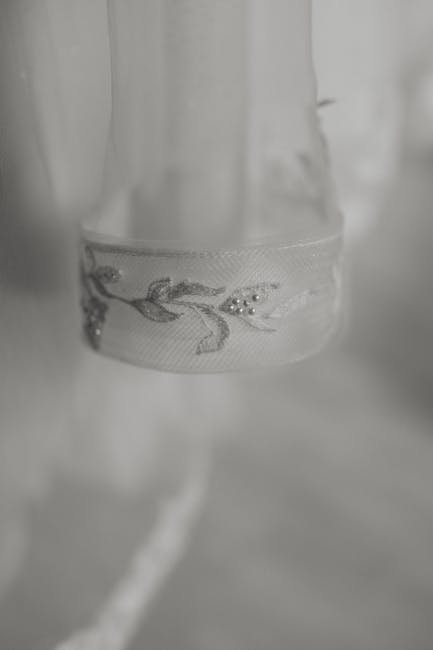
A well-made white shirt is a masterpiece of invisible craftsmanship. The best ones cost hundreds of dollars but look exactly like the cheapest ones, except in the way they fall on the body, the way the collar stands, the way the fabric catches the light. True quality in a white shirt is felt, not seen.
Tailoring and Construction
The quality of a white shirt is determined by details that most people never notice. The number of stitches per inch, the direction of the collar roll, the alignment of the placket pattern, the reinforcement of the buttonholes - these are the elements that distinguish a superior shirt from an ordinary one. High-end shirt makers use single-needle stitching, mother-of-pearl buttons, and split-yoke construction to ensure fit and durability. The white shirt market spans from fast fashion basics costing less than 20 dollars to bespoke shirts from London's Jermyn Street tailors costing over 500 dollars.
Cultural Symbolism
The white shirt carries powerful cultural meanings. It is the uniform of the professional, the artist, the rebel. Marlon Brando's torn white t-shirt in 'A Streetcar Named Desire' is as iconic as Katherine Hepburn's tailored white button-down. The white shirt can signify purity and cleanliness, or it can suggest a blank slate, a canvas for self-expression. In art and photography, the white shirt is often used as a neutral element that directs attention to the face and the person wearing it.

Did You Know?
The world's most expensive white shirt costs over 10,000 dollars. Made by an Italian luxury house, it uses Sea Island cotton (the rarest cotton in the world) and features hand-sewn buttonholes, mother-of-pearl buttons, and a 24-karat gold collar stay.
Fabric and Care
The quality of a white shirt begins with its fabric. The finest white shirts are made from long-staple cotton fibers, which produce a smoother, stronger, and more lustrous fabric. Egyptian cotton, Sea Island cotton, and Supima cotton are the most prized varieties, each offering slightly different characteristics of softness, sheen, and durability. Linen white shirts offer superior breathability for warm weather but wrinkle more readily. Fabric weight is measured in ply: two-ply fabrics, where two yarns are twisted together, are more durable and less prone to wrinkling than single-ply alternatives. Care for a quality white shirt requires attention: wash in cool water, avoid chlorine bleach which can yellow fibers over time, and hang to dry or tumble on low heat. Properly cared for, a well-made white shirt can last a decade or more. The patina that develops over years of wear adds character that no new shirt can replicate, transforming a simple garment into a personal artifact.
Styling the White Shirt
The white shirt's genius lies in its neutrality. It pairs with everything in a wardrobe: tucked into high-waisted trousers for the office, left untucked over jeans for weekend errands, layered under a sweater with the collar and cuffs exposed, or worn open as a lightweight jacket over a tank top in summer. The choice of accessories transforms its character: pearl earrings and a silk scarf create a polished look, while layered gold chains and rolled sleeves signal relaxed confidence. For evening, a white shirt worn with statement jewelry and a dramatic skirt holds its own against any designer gown. The only requirement is that the shirt be impeccably clean and pressed, because the white shirt's message is always one of intention and care. Mastering the white shirt is less about following rules than about understanding proportion: the volume of the shirt should balance the volume of whatever it is paired with.
The White Shirt in Art and Media
Few garments have been as photographically documented as the white shirt. From Richard Avedon's portraits of artists and intellectuals in simple white button-downs to Helmut Newton's provocative images of women in men's shirts, the white shirt has been a favorite subject of photographers precisely because of its neutrality. It directs attention to the face, the pose, and the person. In cinema, the white shirt has signified everything from vulnerability to authority: Diane Keaton's Annie Hall made the oversized white shirt and tie a style touchstone, while Sharon Stone's white shirt moment in Basic Instinct became one of the most referenced fashion images in film history. The white shirt's ability to be simultaneously innocent and knowing, professional and seductive, masculine and feminine is what makes it endlessly fascinating to artists across all media. It is simultaneously the most ordinary garment in existence and the most extraordinary canvas for personal expression.
How to Choose the Perfect White Shirt
Finding the ideal white shirt requires attention to fit, fabric, and construction details that separate a good shirt from a great one. The collar is the most visible element and should sit flat against the neck without gaping. Spread collars offer the most versatility, accommodating both ties and open-neck wear. Button-down collars have a casual, preppy feel suitable for untucked looks, while point collars create a sharp, traditional appearance ideal for formal settings. The shoulder seam should align precisely with the edge of your shoulder, not sitting halfway down your arm or creeping toward your neck. Sleeves should be long enough that the cuff button aligns with your wrist bone, with about half an inch of cuff visible when wearing a jacket.
Fabric quality determines both the look and longevity of a white shirt. Cotton with a thread count between 80 and 140 offers the best balance of durability and softness for daily wear. Oxford cloth is durable and has a subtle texture, making it suitable for casual and business casual environments. Broadcloth and pinpoint oxford provide a smoother, dressier finish appropriate for formal occasions. Twill weave shirts resist wrinkles better than plain weaves and have a subtle diagonal texture that adds visual interest. For warmer climates, linen-cotton blends offer breathability, though they wrinkle more readily. Always check for split-yoke construction, which allows the shirt to conform to your shoulder shape, and mother-of-pearl buttons, which indicate higher quality than plastic alternatives.
Styling the White Shirt for Every Occasion
The white shirts versatility is unmatched, making it appropriate for settings ranging from casual weekends to formal business meetings. For the office, pair a crisp white shirt with tailored trousers or a pencil skirt, leaving the top button undone for a relaxed yet professional appearance. Tuck the shirt in for a polished look or leave it untucked with a blazer for a more contemporary business casual style. A white shirt worn under a sweater with the collar showing creates a classic preppy ensemble that works for both casual and semi-formal occasions. For evening events, choose a white shirt with French cuffs and add cufflinks for an elegant touch that elevates the entire outfit.
Casual styling of the white shirt offers equally compelling possibilities. Wear it open over a t-shirt with jeans for a layered weekend look, or knot it at the waist with high-waisted shorts for a summer outfit. Roll the sleeves to three-quarter length for a relaxed feel, and leave the shirt untucked for a effortless silhouette. The white shirt also functions as a light jacket alternative on mild days, worn open over a tank top or camisole. For a fashion-forward approach, try an oversized white shirt worn as a dress with a belt at the waist and ankle boots. The key to successful white shirt styling is treating it as a blank canvas, letting the quality of the fabric and the precision of the fit speak for themselves while accessories provide personality and color.