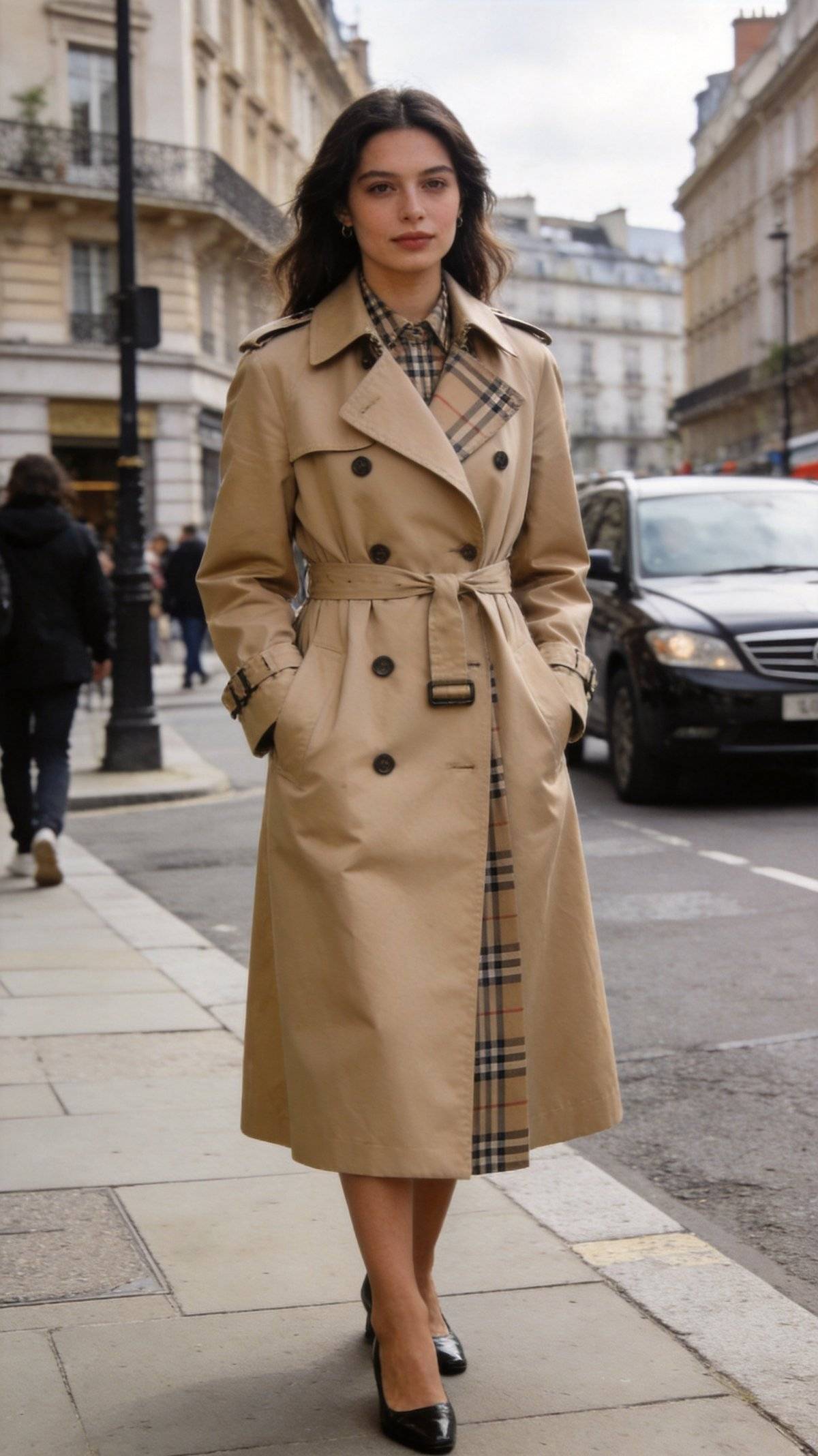
The trench coat is one of fashion's most extraordinary success stories - a garment designed for the specific purpose of keeping soldiers dry in the muddy trenches of World War I that evolved into a timeless symbol of elegance and sophistication. Its journey from battlefield necessity to Hollywood icon to wardrobe essential is a testament to the power of functional design when executed with exceptional quality.
Thomas Burberry's Innovation
The trench coat's story begins with Thomas Burberry, a Hampshire draper who invented gabardine in 1879. This revolutionary fabric was waterproof yet breathable, tightly woven from Egyptian cotton and treated with a chemical process that made it water-resistant without the stiffness of rubberized fabrics. In 1901, the Burberry company designed the 'Tielocken' coat, which featured a single buckle closure and epaulettes - elements that would become standard on the trench coat. The British War Office commissioned Burberry to produce coats for officers in 1914, and the trench coat was born.
Design Features with Purpose
Every design element of the classic trench coat has a functional origin. The epaulettes were designed to display the wearer's rank insignia. The D-ring belt was originally used to hang grenades or other equipment. The storm flap on the right shoulder (the gun flap) protected the shoulder that held a rifle from rain. The cuffs were belted to keep water from running down the arms. The cape-like back section allowed water to run off rather than pooling. These practical details have become the aesthetic signature of the trench coat.
Hollywood's Love Affair
The trench coat's transition from military to civilian life was accelerated by Hollywood. In the 1940s and 1950s, film noir detectives wore trench coats as their unofficial uniform, cementing the garment's association with mystery, sophistication, and urban cool. Humphrey Bogart wore a trench coat in 'Casablanca,' perhaps the most famous trench coat moment in cinema history. Audrey Hepburn wore a Burberry trench in 'Breakfast at Tiffany's,' giving the coat a feminine elegance that expanded its appeal.
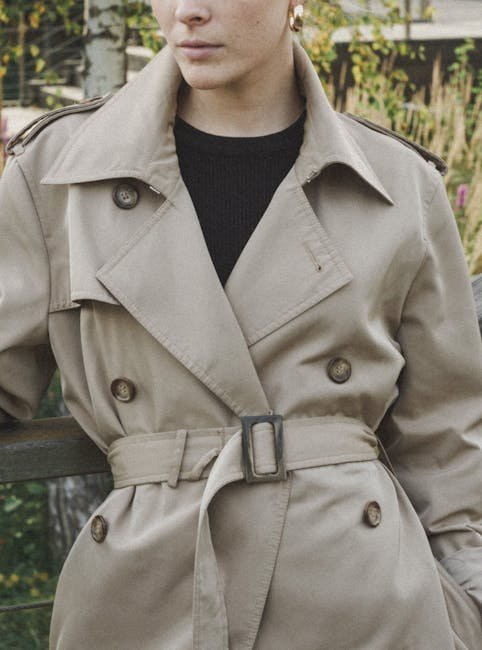
The trench coat is the perfect example of form following function so beautifully that the function becomes irrelevant. Nobody buying a Burberry trench today needs a D-ring for grenades, but that ring, along with the epaulettes and storm flaps, has become an essential part of the garment's aesthetic language.
The Classic Burberry Trench
The Burberry trench coat, with its distinctive checked lining, remains the gold standard. The company produces several styles ranging from the original military-influenced design to more modern interpretations. Each coat requires over 100 separate steps to construct and involves skilled craftspeople who have spent years perfecting their techniques. The iconic Burberry check lining was not originally part of the trench coat but was added in the 1920s and has since become one of the most recognized patterns in the world.
Modern Interpretations
Today, virtually every fashion brand offers a version of the trench coat. Designers have experimented with different lengths, fabrics, and proportions while maintaining the essential elements that make a trench coat recognizable. Lightweight versions for transitional weather, padded versions for colder climates, and deconstructed versions for a more casual look all maintain the DNA of the original design. The trench coat has also been adopted by both men and women equally, making it one of the most successful unisex garments in fashion history.

Did You Know?
The original Burberry trench coat design has changed so little in over a century that a 1914 officer would instantly recognize a modern version. The most significant change is the switch from horn to plastic buttons - a concession to modern manufacturing.
How to Style a Trench Coat
The trench coat is perhaps the most adaptable piece of outerwear ever created. For a classic look, wear it belted at the waist over tailored trousers and a cashmere sweater. For a more casual approach, leave it unbelted and open over jeans and a t-shirt. The trench works equally well over dresses and skirts, its mid-length hem creating a pleasing proportion with both midi and mini hemlines. Footwear ranges from knee-high boots for a polished winter look to white sneakers for weekend ease. Color choice matters too: the classic khaki works with virtually everything, while a black trench reads more formal and a navy version offers a softer alternative to traditional beige. For rainy days, the trench returns to its functional roots, providing genuine weather protection that fashion coats cannot match. Few garments can serve double duty as both style statement and practical outerwear with such conviction.
Choosing the Right Trench
Investing in a trench coat requires attention to several key factors. First, consider length: the traditional trench hits just below the knee, but shorter versions ending at mid-thigh and longer versions reaching the calf are also available. The shoulder fit is crucial since the coat is designed to be layered over other garments; there should be enough room to wear a blazer or chunky sweater underneath without the shoulders pulling. The fabric weight determines versatility: a lightweight cotton gabardine works for spring and autumn, while a wool-blend version extends the trench into winter. Finally, the lining matters. A removable lining, often in wool or quilted fabric, transforms a three-season coat into a year-round investment. The belt should be long enough to tie securely without excess bulk, and the collar should sit flat against the neck when popped for wind protection. These details, easily overlooked in a fitting room, define the daily experience of wearing the coat.
The Trench in Contemporary Fashion
Contemporary designers continue to find new ways to reinterpret the trench coat. Oversized, deconstructed versions have appeared at Balenciaga and Vetements, while minimalist interpretations from The Row and Jil Sander strip the trench to its essence. Luxury houses like Prada and Dior have experimented with materials ranging from technical nylon to perforated leather. The trench coat has also become a canvas for collaboration, with brands partnering with artists and other designers to create limited editions. Despite these innovations, the classic double-breasted khaki trench from Burberry remains the benchmark against which all others are measured, proof that when a design is truly timeless, the original is often still the best. The trench coat's century-long journey from the mud of Flanders to the runways of Milan is fashion's most compelling argument that great design transcends its original purpose and becomes something universal.
How to Choose the Right Trench Coat
Selecting a trench coat that suits your needs involves understanding the key design elements that define this classic garment. The double-breasted front with a ten-button closure is the traditional configuration, though single-breasted versions offer a cleaner, more modern silhouette. Look for a coat with a storm flap on the right shoulder, a feature inherited from military design that directs rainwater away from the body. The belt should be made of the same fabric as the coat and can be tied at the waist for a defined silhouette or left open for a more relaxed look. Epaulettes and cuff straps add authentic detail but can feel overly militaristic for casual wearers who may prefer a simpler design.
Fit is critical for both function and appearance. The trench coat should be roomy enough to layer over a suit jacket or thick sweater without feeling restrictive across the shoulders. Sleeve length should reach the base of the thumb when arms are relaxed at your sides, allowing for movement without the cuffs riding up excessively. The coat length determines its formality, knee-length trenches are the most versatile and suit most heights, while mid-calf lengths offer more coverage and a dramatic silhouette suitable for formal settings. Short trenches ending above the knee work well for petite frames and casual wear but sacrifice some of the coats protective function. Always try on a trench coat with the layers you plan to wear underneath to ensure adequate room in the chest and arms.
Caring for Your Trench Coat
Proper maintenance keeps a trench coat functional and attractive for decades. Cotton gabardine trench coats should be dry cleaned only, as machine washing damages the water-resistant finish and can cause shrinkage. Spot clean minor stains promptly with a damp cloth and mild soap, avoiding rubbing that can spread the stain or damage the fabric weave. After exposure to heavy rain, hang the coat on a broad-shouldered hanger and allow it to dry naturally away from direct heat sources. Reapply a water-repellent treatment every season to maintain the coat weather resistance, using products specifically designed for technical cotton fabrics.
Storage is particularly important for maintaining the trench coats shape. Always use a padded or wooden hanger with broad shoulders to support the coats structure, wire hangers create permanent indentations at the shoulders. Store the coat in a breathable garment bag rather than plastic, which traps moisture and can lead to mildew. Before storing for the season, ensure the coat is clean and completely dry. Belt buckles and metal hardware should be polished occasionally to prevent tarnish. With proper care, a quality trench coat from a reputable maker can last twenty years or more, becoming more comfortable and character-rich with age while remaining a staple of any well-dressed wardrobe.