The history of jeans is the story of a garment that began as humble workwear for American miners and evolved into the most ubiquitous piece of clothing in human history. Today, an estimated 2 billion pairs of jeans are produced annually, and there is virtually no country on Earth where blue jeans are not worn. This remarkable journey from California gold mines to global fashion icon spans nearly 150 years and touches on industrialization, counterculture, and the democratization of fashion. What makes jeans truly extraordinary is their capacity to mean completely different things to different people at the same moment: a pair of identical Levi's 501s can represent rebellion to a teenager in one country and patriotism to a worker in another, while meaning nothing more than comfortable pants to a third person who has never thought about their cultural significance at all.
The Gold Rush Birth
In 1873, Levi Strauss, a Bavarian immigrant working as a dry goods wholesaler in San Francisco, partnered with tailor Jacob Davis to patent a new kind of work pant reinforced with metal rivets at stress points. The pants were made from denim, a sturdy cotton twill fabric that had been used for workwear for decades. The patent, which covered 'an improvement in fastening pocket openings,' was granted on May 20, 1873 - a date now celebrated as the birthday of blue jeans. The first jeans were produced for miners, who needed pants that could withstand the demanding conditions of gold mining.
From Workwear to Uniform
Throughout the late nineteenth and early twentieth centuries, jeans remained solidly working-class garments, worn by miners, farmers, railroad workers, and cowboys. The Great Depression saw jeans become even more widespread as people sought durable, affordable clothing. During World War II, jeans were declared 'essential' by the U.S. government and were sold only to people engaged in defense work. This wartime designation introduced jeans to a new generation of workers and set the stage for their post-war transformation.
The Rebel Yell
The 1950s saw jeans transform from workwear into a symbol of youth rebellion. Movies like 'Rebel Without a Cause' starring James Dean in jeans and a red jacket cemented denim's association with teenage defiance. Schools and restaurants banned jeans, which only made them more desirable to young people. This tension between authority and rebellion became a defining theme of denim culture that would persist for decades.
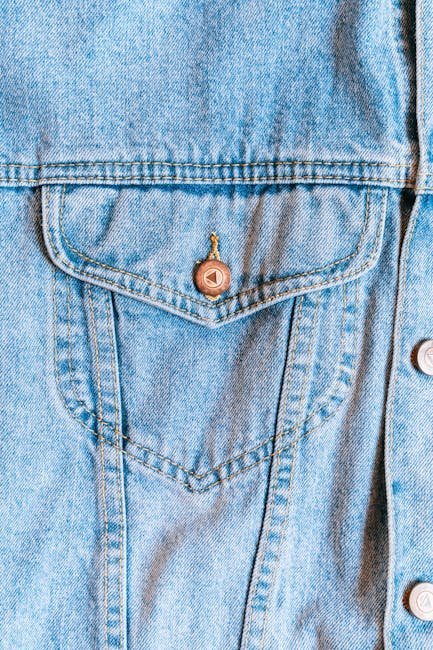
Jeans are the great equalizer. They are worn by presidents and prisoners, billionaires and bus drivers, supermodels and steelworkers. No other garment in human history has crossed so many social boundaries.
Denim Goes High Fashion
The 1970s and 1980s saw jeans make the leap from casual wear to high fashion. Designer jeans, led by brands like Calvin Klein, Gloria Vanderbilt, and Jordache, transformed denim into a luxury item. For the first time, people paid premium prices for jeans with designer labels. The 1990s brought the peak of denim culture with the rise of premium denim brands that commanded prices of 200 dollars or more per pair. This era also saw the emergence of distinct denim subcultures, from the raw denim enthusiasts who obsess over fade patterns to the vintage collectors who seek out rare Levi's models.
The Japanese Denim Revolution
Perhaps the most significant development in modern denim history occurred not in America but in Japan. In the 1970s and 1980s, Japanese textile manufacturers became fascinated with vintage American denim, studying original Levi's jeans from the early twentieth century with an almost archaeological attention to detail. Brands like Osaka's Evisu, Studio D'Artisan, and Denime—collectively known as the Osaka Five—began reproducing denim using vintage shuttle looms, natural indigo dye, and painstakingly authentic construction methods that had been abandoned by American manufacturers decades earlier. The key innovation was selvedge denim, woven on narrow shuttle looms that produce a clean, self-finished edge that does not fray. The selvedge edge, typically featuring a colored line woven into the fabric, became a mark of quality and authenticity. Japanese denim mills like Kaihara and Kuroki now supply premium denim to luxury brands worldwide, and the Japanese approach—valuing imperfection, aging, and the visible passage of time—transformed how the world thinks about jeans. A pair of Japanese selvedge jeans, worn unwashed for months or even years to develop unique fade patterns, can become a deeply personal garment that tells the visual story of its owner's life.
Modern Denim Culture
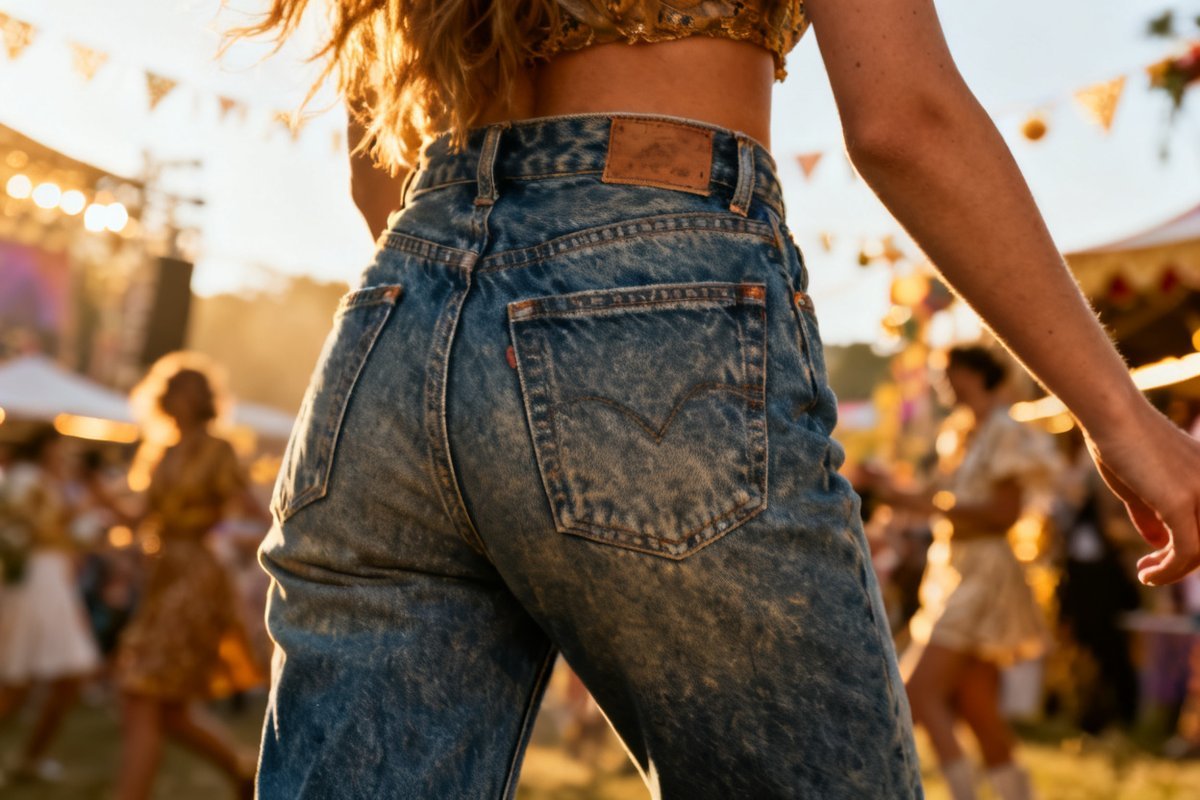
Today, jeans are more diverse than ever. The range of fits includes skinny, straight, bootcut, boyfriend, mom, wide-leg, flare, and hundreds of variations. Wash treatments range from raw (unwashed) to heavily distressed, with acid wash, stone wash, and enzyme wash techniques creating different aesthetic effects. Sustainability has become a major focus, with consumers demanding jeans produced with less water and fewer chemicals. The global denim market exceeds 100 billion dollars annually, and jeans remain the single most important item in the global wardrobe.
Understanding denim weight is essential for any serious jeans buyer. Denim weight is measured in ounces per square yard, with lightweight denim under 12 ounces suitable for summer wear and heavyweight denim over 16 ounces prized by raw denim enthusiasts for the dramatic fades it produces. The classic weight for year-round jeans is between 13 and 14.5 ounces—substantial enough to hold its shape but comfortable for daily wear. Stretch denim, which blends cotton with a small percentage of elastane or spandex, has become dominant in the mass market because it offers immediate comfort without break-in. Purists argue that stretch denim compromises the authentic denim experience, but its widespread adoption demonstrates how jeans continue to evolve to meet consumer expectations for both style and comfort. Another notable development is the rise of denim repair culture: specialist shops in cities worldwide offer sashiko stitching and boro-inspired repairs that transform damaged jeans into unique, personalized garments, extending the life of a pair of jeans far beyond what fast fashion would suggest is normal.
Did You Know?
A single pair of conventional jeans requires approximately 1,800 gallons of water to produce, from cotton farming to final finishing. This has led to a growing movement toward sustainable denim production, with some manufacturers now producing jeans using 90 percent less water.
Finding the Perfect Fit for Your Body Type
Choosing jeans that flatter your body shape starts with understanding the relationship between rise, cut, and fit. High-rise jeans, with a waistband sitting at or above the natural waist, create a lengthening effect on the legs and provide support through the midsection. They work particularly well for pear-shaped and hourglass figures, as they accentuate the narrowest part of the waist while accommodating wider hips. Mid-rise jeans sit just below the navel and offer a balanced silhouette that suits most body types, making them the most universally flattering option. Low-rise jeans, which sit on the hips, suit straight and athletic body shapes but can create proportion challenges for other figures.
The leg cut dramatically changes the overall look and feel of jeans. Skinny jeans hug the leg from hip to ankle, creating a sleek line that works well when paired with oversized tops or tucked-in blouses. Straight-leg jeans offer a classic silhouette that remains consistently stylish, neither too tight nor too loose, and they accommodate a variety of footwear from flats to heels. Bootcut and flared jeans balance wider hips and thighs by adding volume at the hem, and they pair naturally with boots or heeled shoes. Wide-leg and relaxed-fit jeans provide maximum comfort and a contemporary silhouette, though they require careful styling to avoid overwhelming a smaller frame. Trying on multiple cuts is the most reliable way to determine which silhouette suits your proportions best.
Jeans Care and Longevity
Proper care dramatically extends the life of your jeans while maintaining their color and fit. Denim experts universally recommend washing jeans as infrequently as possible, ideally every ten wears or less, to preserve the indigo dye and prevent unnecessary wear on the fibers. When washing is necessary, turn jeans inside out, use cold water, and choose a gentle detergent designed for dark colors. Avoid fabric softeners, which break down cotton fibers and reduce the denim's natural structure. Air drying is strongly preferred over machine drying, as high heat shrinks denim and accelerates fading. Hang jeans by the waistband or lay them flat to dry, avoiding direct sunlight which can cause uneven bleaching.
Storage habits also affect how long your jeans remain in good condition. Fold jeans rather than hanging them by the waistband, as hanging stretches the denim and can create unwanted shape distortion over time. If you must hang them, use a clip hanger at the hem to allow the weight of the jeans to maintain their shape. Rotating between multiple pairs reduces stress on any single pair, allowing the cotton fibers to rest and recover between wears. Minor repairs such as reinforcing pocket corners or stitching loose hems should be addressed promptly before they worsen. With these care practices, a quality pair of jeans can serve you well for five to ten years or more, making them one of the most durable and sustainable clothing investments available.