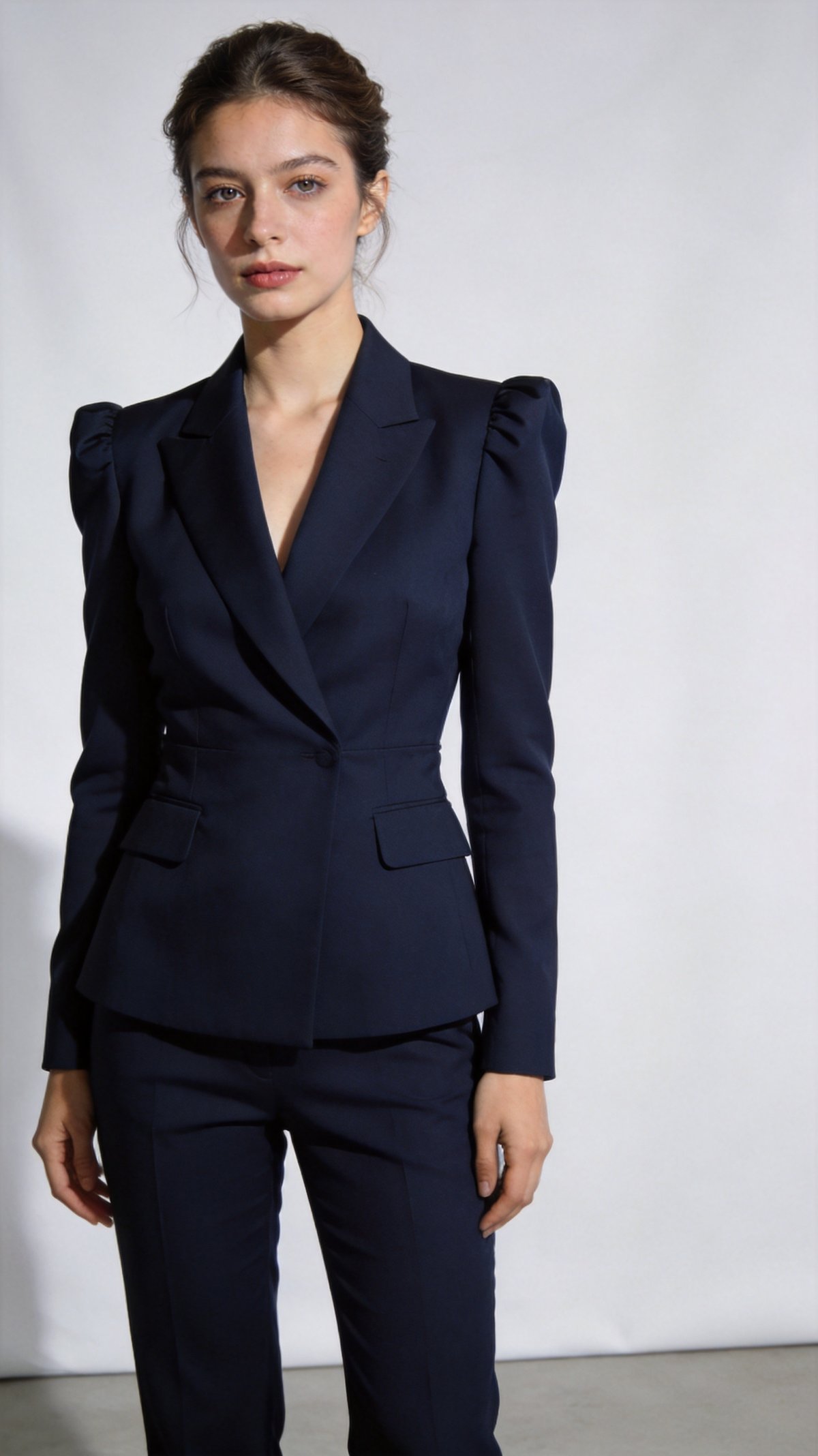
The blazer is the most versatile piece of tailoring in the modern wardrobe. More formal than a sports coat but less formal than a suit jacket, the blazer occupies a unique space in men's and women's fashion. Its history spans nearly two centuries and encompasses naval uniforms, school dress codes, and the feminist reclamation of power dressing. Today, the blazer is the ultimate transitional garment, equally at home in the boardroom and at a weekend brunch. Its unmatched ability to elevate a casual outfit or relax a formal one without looking out of place in either context has made it a permanent fixture in wardrobes across every continent and social class.
Naval Origins
The blazer's story begins in 1837 aboard HMS Blazer, a British Royal Navy ship. The captain, seeking a way to smarten his crew's appearance for a visit from Queen Victoria, ordered double-breasted blue serge jackets with brass buttons for his men. The result was so impressive that the style was adopted by other ships and eventually by civilian rowing clubs at Oxford and Cambridge. The name 'blazer' came from the blazing red jackets worn by the Lady Margaret Boat Club at Cambridge, which were described as 'blazing' in color.
From School Uniform to Fashion Staple
The blazer was adopted by British public schools in the late nineteenth century as part of their uniform. Each school developed its own distinctive blazer, with specific colors, badges, and trim that identified the wearer's institution. This practice continues today and has spread to schools around the world. Beyond school uniforms, the blazer became a staple of men's casual wardrobes, worn with flannel trousers for a relaxed but put-together look that remains a classic of British style.
Women and the Blazer
Women's adoption of the blazer was a significant moment in fashion history. In the late nineteenth century, women began wearing blazers for sporting activities like cycling and tennis, challenging the restrictive corsetry of the era. Coco Chanel's iconic tweed jacket, introduced in the 1920s, can be seen as a feminine reinterpretation of the blazer. The 1980s power-dressing movement saw women adopt oversized, heavily structured blazers with exaggerated shoulders as a way of claiming authority in the corporate world. Film and television amplified this association: characters like Melanie Griffith's Tess McGill in Working Girl and Julia Sugarbaker in Designing Women used the blazer as visual shorthand for competence and ambition, cementing its role in the visual language of professional femininity.
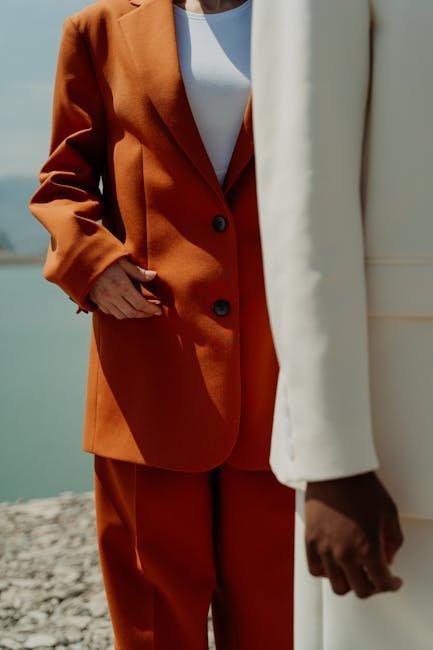
The blazer is tailoring's greatest transformer. Throw it over jeans and you're dressed. Throw it over a dress and you're sophisticated. Throw it over a suit and you're authoritative. One garment, three completely different looks, zero effort.
The Classic Navy Blazer
The navy blazer with gold or silver buttons is the most iconic version of the garment. Its deep blue color is universally flattering and pairs with virtually any other color or pattern. The gold buttons add a touch of formality without requiring a full suit. The classic navy blazer is typically single-breasted with two or three buttons, though double-breasted versions remain popular for a more formal look. It can be worn with gray trousers for business, with chinos for casual occasions, or with jeans for a relaxed weekend look.
Blazer vs Sports Jacket vs Suit Jacket
Although the terms are often used interchangeably, the blazer, sports jacket, and suit jacket are distinct garments with different histories, fabrics, and levels of formality. A suit jacket is made from the same fabric as its matching trousers and is the most formal option; wearing a suit jacket without its matching trousers generally looks incomplete. A sports jacket is the most casual, originally designed for outdoor pursuits like hunting and shooting, and typically features patterned fabrics, patch pockets, and softer construction with less canvas. The blazer sits between the two: it is a solid-colored jacket, usually navy, with contrasting buttons, more structured than a sports jacket but less formal than a suit jacket. Understanding this distinction helps in dressing appropriately—a blazer with gray flannel trousers is business-appropriate, while the same blazer with chinos and a polo shirt works for a weekend outing. The blazer's versatility comes from its unique position in the middle of the formality spectrum.
Modern Blazer Styles
Contemporary blazers come in countless variations. Summer blazers in linen or cotton are lighter and more relaxed. Evening blazers in velvet or silk add luxury to formal occasions. Unstructured blazers, which lack the heavy canvas interfacing of traditional tailoring, offer a softer, more comfortable fit that works for casual settings. The blazer has also become a key item in sustainable fashion, as it is one of the most frequently found items in vintage stores and can be easily altered to fit a new wearer. Fabric choice is the single most important factor in how a blazer performs and reads visually: a hopsack weave in wool creates an open, breathable texture ideal for warm weather, while a worsted wool in a smooth finish conveys formality and polish. Flannel blazers in gray or brown offer a softer, more casual presence that pairs exceptionally well with denim. The half-lined blazer—with lining only across the shoulders and upper back—has gained popularity in recent years as it combines the structure of a lined jacket with the breathability and lightness of an unlined one. When purchasing a blazer, the most critical fit point is the shoulders: if the shoulder seams extend beyond or fall short of the natural shoulder line, the jacket can never look correct regardless of how well the body or sleeves are altered.
Did You Know?
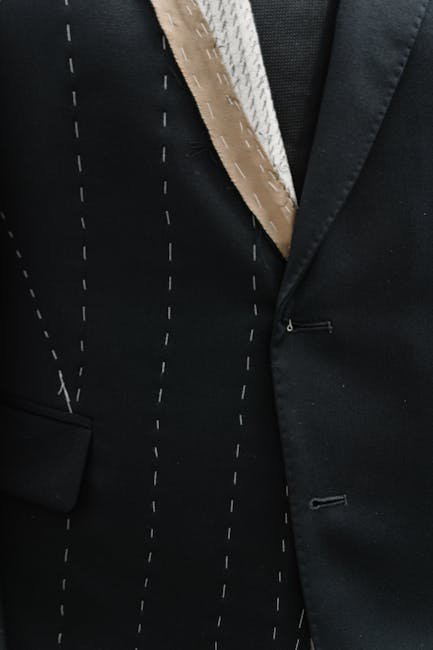
A well-made traditional blazer is held together by hundreds of hand stitches that are completely invisible from the outside. The canvas chest piece, which gives the jacket its shape, is pad-stitched by hand in a process that takes a skilled tailor several hours.
How to Style a Blazer for Different Occasions
The blazer's versatility is unmatched in menswear and womenswear alike. For a professional office setting, pair a navy or charcoal blazer with matching tailored trousers and a crisp button-down shirt. This classic combination projects authority without the stiffness of a full suit, allowing for personal expression through accessories such as a silk pocket square or a distinctive tie. Women can achieve a similar effect by wearing a fitted blazer over a shell top with dress pants or a pencil skirt, creating a polished silhouette that transitions seamlessly from desk to dinner.
For casual occasions, the blazer becomes a tool for elevating everyday outfits. A unstructured cotton or linen blazer worn with dark jeans and a simple t-shirt creates a look that is relaxed yet intentional. This combination works well for weekend brunches, casual Fridays, or evening social events where you want to look put-together without appearing overdressed. The key is in the fabric choice, a textured tweed or soft wool blazer adds visual interest to neutral basics, while a brightly colored blazer can serve as the focal point of an otherwise simple outfit. Loafers or clean white sneakers complete the casual blazer look.
The Blazer in Modern Fashion
Contemporary fashion has pushed the blazer beyond traditional boundaries, embracing oversized cuts, bold patterns, and unexpected materials. Oversized blazers with strong shoulders, inspired by 1980s power dressing, have made a significant comeback in recent collections. Designers are experimenting with deconstructed blazers that remove internal structure for a relaxed, draped effect that still maintains the garments essential silhouette. Printed blazers, from subtle windowpane checks to bold floral patterns, offer a way to incorporate personality into tailored dressing.
Sustainability has also influenced modern blazer design, with many brands focusing on timeless construction that outlasts seasonal trends. A well-made blazer in a neutral color remains one of the most sustainable wardrobe investments, as its versatility means it will be worn for years across multiple contexts. The rise of gender-neutral fashion has further expanded the blazer's appeal, with relaxed fits and shared silhouettes that work across traditional gender boundaries. Whether structured or soft, patterned or solid, the blazer continues to evolve while maintaining its status as a cornerstone of refined dressing.
The fabric of a blazer determines its character and appropriate use more than any other single factor. Wool blazers offer natural breathability and wrinkle resistance, making them ideal for year-round wear in most climates. Cotton and linen blazers excel in warmer weather, providing a relaxed texture that pairs naturally with chinos and light-colored trousers. Tweed blazers, with their rough-hewn texture and earthy patterns, bring a distinctly British country aesthetic that works well for autumn and winter. Cashmere and cashmere-blend blazers offer unparalleled softness and warmth, suitable for the most refined occasions. Each fabric tells a different story and suits a different context, which is why many blazer enthusiasts own multiple versions in different materials, treating each as a distinct tool in their wardrobe.