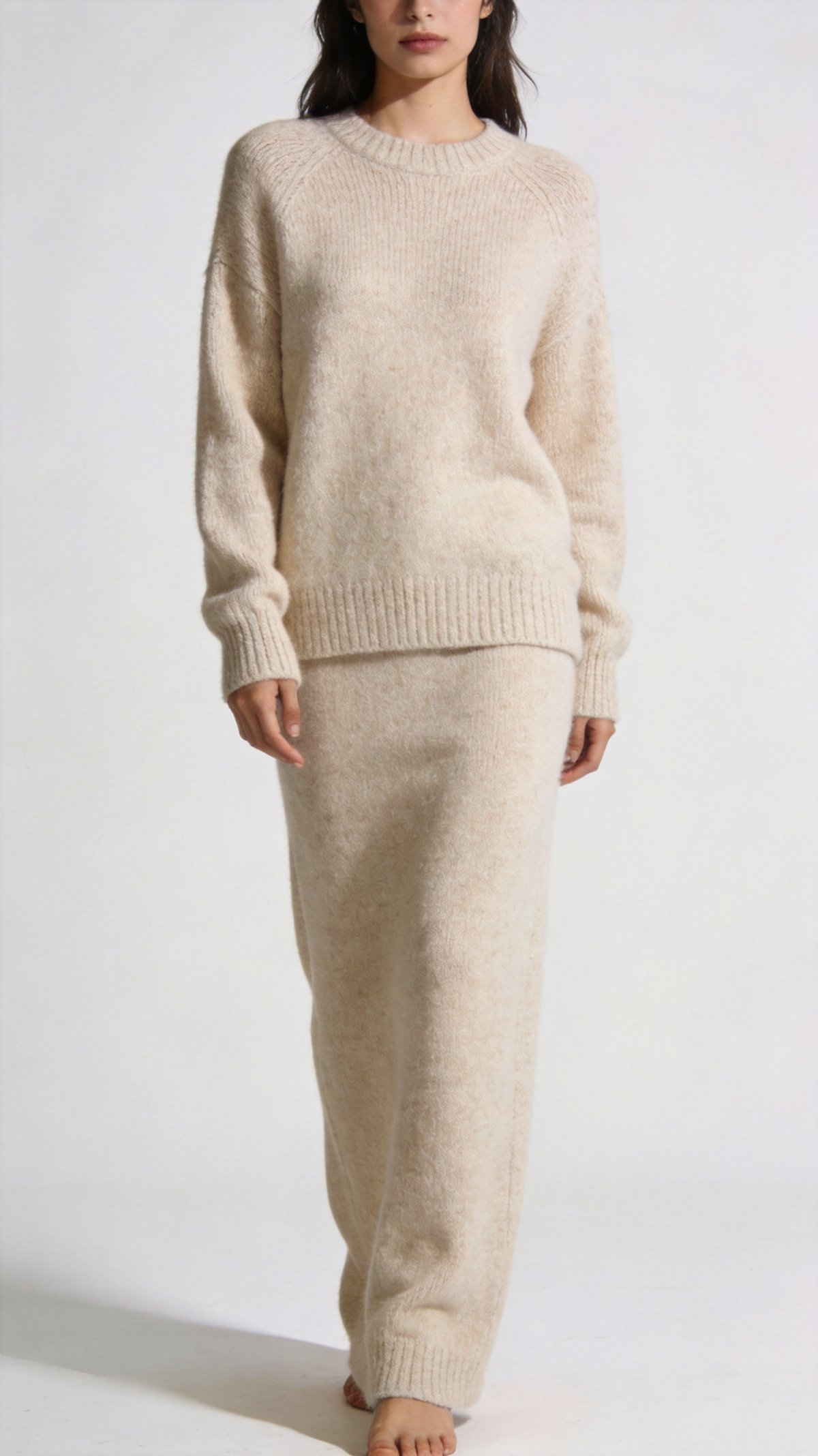
Cashmere is the world's most prestigious natural fiber, prized for its extraordinary softness, warmth, and lightness. A cashmere sweater is more than a piece of clothing - it is an investment in quality, a statement of personal style, and a garment that can last for decades with proper care. The story of cashmere spans continents and centuries, from the high plateaus of Central Asia to the luxury boutiques of Milan and London. Its unique position at the intersection of extreme comfort and quiet status makes it a garment that communicates discernment without ostentation—the wearer enjoys the luxury, while only those familiar with the fiber's qualities can recognize it from across the room.
The Kashmir Connection
The name cashmere derives from Kashmir, the region in the northern Indian subcontinent where the fiber was first woven into luxury shawls. As early as the fifteenth century, Kashmir was producing shawls of extraordinary fineness from the wool of local goats. These shawls were traded along the Silk Road and were prized by royalty throughout Asia and the Middle East. When European traders brought cashmere shawls to the West in the eighteenth century, they caused a sensation. Napoleon's wife, Empress Josephine, was said to own hundreds of cashmere shawls.
The Mongolian Goat
True cashmere comes from the undercoat of the cashmere goat, a breed that thrives in the harsh climate of Central Asia, particularly Mongolia, China, Iran, and Afghanistan. The goats grow a double coat: a coarse outer guard hair and a fine, soft undercoat that provides insulation against extreme temperatures. This undercoat, the cashmere fiber, is collected by combing the goats during the spring molting season. Each goat produces only about 150 grams of cashmere per year - enough for approximately one-third of a sweater.
Why Cashmere is Precious
- Rarity: A single goat produces only 150 grams of cashmere fiber per year
- Softness: Cashmere fibers are 14-19 microns thick, finer than human hair
- Warmth: Cashmere is eight times warmer than sheep's wool by weight
- Lightness: A cashmere sweater weighs about half as much as a wool sweater
- Breathability: Cashmere wicks moisture better than synthetic fibers
- Longevity: With proper care, a cashmere sweater can last 20 years or more
A cashmere sweater is the closest thing to wearing a cloud. It is warm without weight, soft without fragility, and luxurious without ostentation. In a world of fast fashion, cashmere reminds us that true quality is timeless.
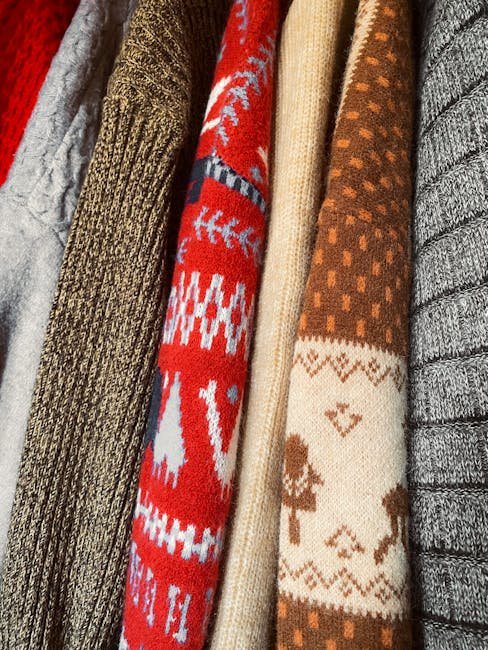
Scottish Mills and Heritage
Scotland has been a center of cashmere production since the late eighteenth century. Scottish mills, particularly those in the Borders region, developed expertise in processing the finest cashmere fibers and weaving them into fabrics of exceptional quality. Brands like Pringle of Scotland, Ballantyne, and Johnstons of Elgin have been producing cashmere for generations, using techniques refined over centuries. The Scottish cashmere industry is renowned for its quality control, with each garment undergoing rigorous inspection before leaving the mill.
Grading and Quality
Not all cashmere is created equal, and understanding the grading system helps consumers identify quality. Cashmere quality is primarily determined by three factors: fiber diameter, fiber length, and purity. The finest cashmere fibers measure between 14 and 16 microns in diameter—significantly finer than the average human hair at approximately 70 microns—resulting in exceptional softness. Fiber length matters because longer fibers produce yarns that pill less and hold their shape better through repeated wear. The highest grades range from 36 to 42 millimeters in length and are used by premium Scottish and Italian mills. Ply count refers to how many individual yarn strands are twisted together: a two-ply cashmere sweater uses two strands twisted into one yarn, creating a denser, warmer, and more durable garment than a single-ply construction. When shopping for cashmere, consumers should look beyond the label and test the fabric: quality cashmere should feel cool and smooth to the touch, not fuzzy, and when gently stretched, it should spring back to its original shape without sagging or distortion.
Sustainability and Ethics
The cashmere industry faces significant sustainability challenges. Overgrazing by cashmere goats in Mongolia has contributed to desertification, while the processing of raw cashmere requires large amounts of water and chemicals. In response, the industry is moving toward more sustainable practices, including organic cashmere production, recycled cashmere, and blockchain traceability systems that allow consumers to verify the origin of their garments. Some luxury brands have also introduced programs to support herder communities and promote sustainable land management. Recycled cashmere, made by mechanically breaking down post-consumer cashmere garments and re-spinning the fibers into new yarn, has gained significant traction in recent years. Brands like N.Peal and the Vintage Sweater Company have built entire collections around recycled cashmere, producing garments that match virgin cashmere in softness while using a fraction of the environmental resources. For consumers seeking a balance between luxury and responsibility, recycled cashmere represents one of the most compelling developments in modern knitwear.
Caring for Cashmere
A quality cashmere sweater is an investment worth protecting. Cashmere should be hand washed in cool water with a specialized cashmere shampoo, gently squeezed (never wrung) to remove excess water, and laid flat to dry. A cashmere comb can remove surface pilling, which is a natural characteristic of the fiber. With proper care, a cashmere sweater not only lasts for decades but often improves with age, becoming softer and more beautiful with each wear. Proper storage is equally important: cashmere should be folded rather than hung, as hangers can distort the shoulders over time. Cedar blocks or lavender sachets in the storage drawer deter moths, which are attracted to the natural proteins in cashmere fibers and can destroy a sweater overnight if left unprotected.
Did You Know?
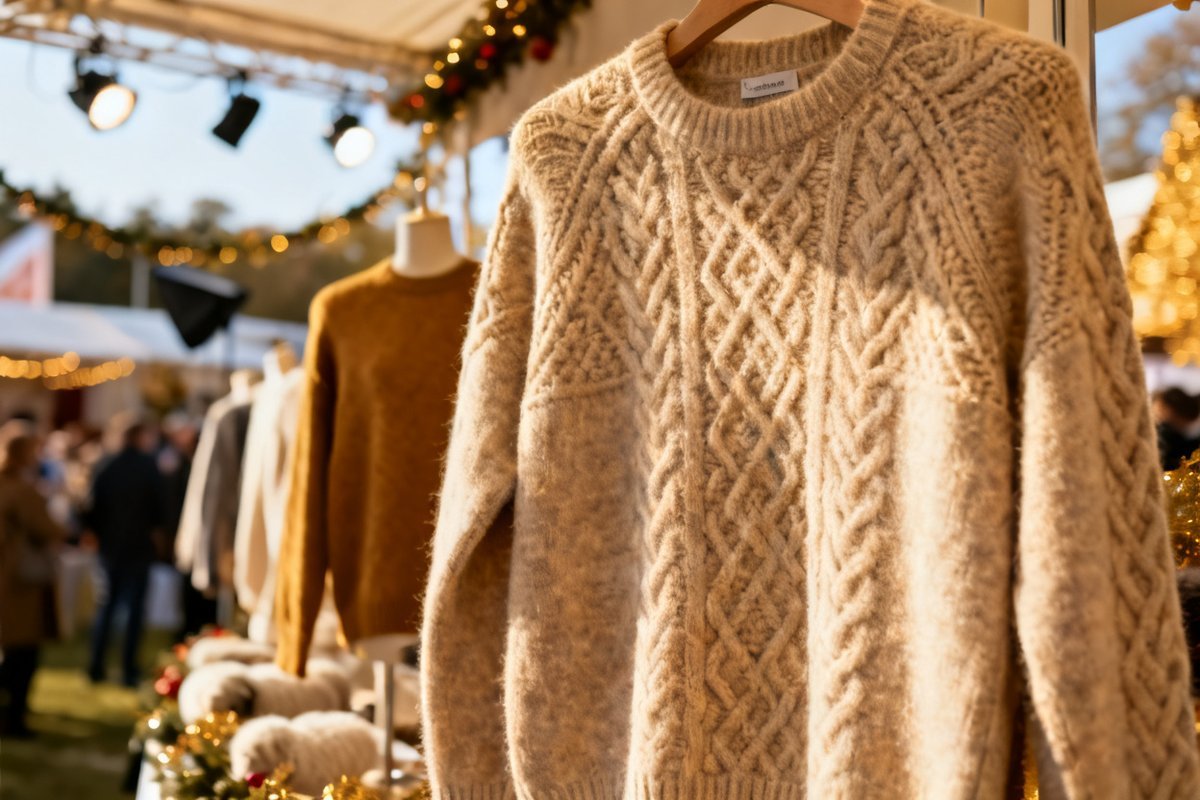
It takes the annual production of three to four cashmere goats to make a single sweater. This extreme ratio of animal to garment explains why genuine cashmere commands premium prices and why cheap 'cashmere' products are almost certainly blended with other fibers.
How to Identify Quality Cashmere
Not all cashmere is created equal, and understanding quality indicators helps you make informed purchases. The fiber thickness, measured in microns, is the primary determinant of softness. Grade A cashmere uses fibers under 15.5 microns, producing the softest and most luxurious feel against the skin. Standard cashmere ranges from 15.5 to 19 microns, still comfortable but noticeably less refined. Lower-grade cashmere above 19 microns can feel scratchy and is often blended with synthetic fibers to improve texture. The ply count, referring to the number of strands twisted together, also affects quality. Two-ply cashmere, where two strands are twisted before knitting, offers better durability and a denser feel than single-ply, though higher ply does not automatically mean warmer.
Construction details reveal much about a cashmere garment's quality. Tight, even stitching with clean seams indicates careful manufacturing, while loose threads or uneven tension suggest rushed production. The weight of the garment matters, a heavier cashmere sweater typically uses more fiber and will be more durable than a lightweight version of similar dimensions. The origin of the cashmere is another consideration, with Inner Mongolia producing approximately 70 percent of the world's raw cashmere. Scottish mills are renowned for their finishing techniques, which enhance softness and durability. Italian cashmere is prized for its lightweight feel and modern aesthetic. Always check the label for the percentage of cashmere content, as garments with less than 95 percent cashmere are considered blends and will behave differently in terms of warmth and care.
Styling Your Cashmere Sweater
The cashmere sweater's versatility makes it suitable for nearly any occasion. For a classic look, layer a crewneck cashmere sweater over a collared shirt, allowing the collar and cuffs to peek out for a preppy, refined appearance. This combination works equally well with wool trousers for the office or dark jeans for weekend outings. V-neck cashmere sweaters can be worn directly against the skin or over a thin undershirt, paired with a blazer for a sophisticated layered look that works for business casual environments and evening events alike.
For a more contemporary approach, try an oversized cashmere sweater with slim-fit trousers or leggings, creating a balanced silhouette that is both comfortable and fashion-forward. Cashmere turtlenecks make excellent standalone pieces, their clean lines drawing attention to the face and accessories. Color choices matter, neutral tones such as camel, charcoal, and cream offer maximum versatility and can be mixed with almost any other color in your wardrobe. Brighter cashmere pieces in burgundy, forest green, or navy serve as statement items that elevate simpler outfits. With proper care, a quality cashmere sweater remains a staple piece that provides warmth, comfort, and style for many years.