
Ballet flats are the Cinderella story of footwear - a shoe designed for the most demanding physical art form that became one of the most comfortable and stylish everyday shoes ever created. Their journey from the dance studios of the Paris Opera to the streets of the fashion world is a story of innovation, celebrity endorsement, and the universal appeal of combining beauty with comfort. Unlike high heels, which sacrifice foot health for aesthetics, ballet flats represent the rare fashion item where the most comfortable version is also the most authentic to its design origins—the shoe worn by professional dancers for hours of physically demanding work.
Rose Repetto's Innovation
The story of ballet flats begins with Rose Repetto, who founded her eponymous shoe company in 1947. Repetto was the mother of the dancer and choreographer Roland Petit, and she began making ballet shoes for her son's company. Her breakthrough innovation was to reverse the traditional shoemaking process - instead of stitching the sole to the upper from the inside, she stitched it from the outside, then turned the shoe inside out. This technique created a shoe with no internal seams that could rub against the dancer's foot, and it remains the signature construction method of Repetto ballet flats today. The resulting shoe was so soft and flexible that dancers could feel the floor through the sole—a critical feature for ballet, where every subtle shift in balance matters—and this sensitivity to the ground became the defining characteristic that later attracted non-dancers seeking the same connection between foot and surface in everyday life.
Brigitte Bardot's Lift
The ballet flat's transition from dance shoe to fashion item was catalyzed by Brigitte Bardot in 1956. The French actress asked Rose Repetto to make her a pair of ballet flats in red, and she wore them in the film 'And God Created Woman' and in everyday life. The image of Bardot in her red Repetto flats, often paired with a simple sundress or jeans, became one of the defining fashion images of the 1950s. Women around the world wanted to emulate Bardot's effortless French girl style, and the ballet flat became an essential item. The collaboration between a dancer's mother and a film star captured something essential about the postwar moment: a hunger for clothing that was beautiful and feminine without being restrictive, modern without being severe, and luxurious without being impractical.
The Anatomy of a Ballet Flat
- Ultra-thin sole that allows the foot to feel the ground, like a dancer's shoe
- Low cut vamp that shows the top of the foot, creating a lengthening effect
- Rounded toe that is neither pointed nor square, the classic ballet silhouette
- Elastic binding around the opening that hugs the foot without gaping
- No heel or a minimal heel of less than 5 millimeters
- Flexible construction that allows the shoe to move with the foot
Ballet flats proved that women did not have to choose between comfort and style. For centuries, fashionable women's shoes had been instruments of suffering. Ballet flats changed all that - they were the shoe that liberated women's feet.
Design Variations
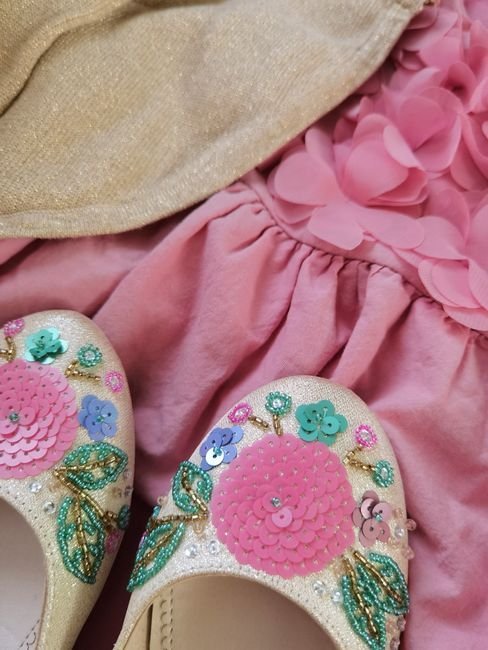
While the classic ballet flat remains unchanged, designers have created countless variations. Patent leather flats add polish for evening wear. Suede flats offer a softer, more casual look. Printed and patterned flats add visual interest to simple outfits. The pointed toe ballet flat, pioneered by Roger Vivier, adds a touch of formality. The ballerina sneaker, a hybrid between ballet flat and sneaker, emerged in the 2010s as a sportier alternative.
Materials and Craftsmanship
The quality of a ballet flat depends heavily on its materials and construction. The finest ballet flats use full-grain leather, which molds to the foot over time and develops a unique patina with wear. Less expensive versions often use corrected-grain or bonded leather, which is sanded and coated with a synthetic finish that looks uniform but does not age gracefully. The thin sole of a ballet flat presents a particular engineering challenge: it must be flexible enough to allow natural foot movement while durable enough to withstand repeated contact with pavement. Repetto solves this with a special rubber compound that is poured directly onto the leather upper and cured in a single piece, eliminating the need for glue or stitching at the sole. The elastic binding around the opening is another critical detail—when it is too loose, the flat gapes and slips off the heel; when it is too tight, it cuts into the foot. Premium manufacturers adjust the elastic tension based on the shoe size, ensuring a consistent fit across the full size range.
Cultural Impact
Ballet flats have become more than a shoe - they represent a particular attitude toward fashion and life. They are associated with French style, with effortless elegance, and with a certain creative, artistic sensibility. Audrey Hepburn, Jackie Kennedy, and Kate Moss are among the many style icons who have made ballet flats their signature. In the twenty-first century, ballet flats have been adopted by women in professions that require both style and practicality, from art gallery directors to elementary school teachers. Styling ballet flats effectively requires attention to proportion: because the flat sole creates no visual height, capri pants and cropped trousers that end just above the ankle help elongate the leg line. Skirts that fall at or above the knee also pair naturally with ballet flats, creating a silhouette that feels balanced and intentional. For colder months, opaque tights in a color that matches the shoe create an unbroken visual line, allowing ballet flats to work nearly year-round.
Did You Know?
Each pair of Repetto ballet flats is still made using the same reverse-stitch technique that Rose Repetto invented in 1947. The process requires approximately three hours of hand labor per pair, and the shoes are so flexible that they can be rolled up into a ball.
How to Choose the Perfect Ballet Flats
Selecting the right pair of ballet flats requires attention to several key details that affect both comfort and longevity. The sole construction is one of the most important considerations. Ballet flats with a genuine leather or suede sole offer the best flexibility and breathability, allowing the shoe to mold to your foot over time. Rubber or synthetic outsoles provide more durability and grip for everyday street wear, though they may feel stiffer initially. Look for flats with a padded insole or a cushioned footbed, as traditional ballet flats offer minimal arch support by design. Many modern brands incorporate removable insoles, giving you the option to add orthotic inserts if needed.
The material of the upper determines both the look and the fit of the shoe. Soft leather ballet flats stretch slightly with wear and conform to the shape of your foot, making them an excellent choice for all-day comfort. Suede flats offer a sophisticated texture but require more care in wet conditions. Patent leather provides a polished, dressy appearance but tends to be less flexible and may cause blisters during break-in. Canvas and synthetic flats are lightweight and affordable, ideal for casual wear, though they typically lack the longevity of leather options. When trying on ballet flats, your toes should lie flat without curling, and the heel should not slip when you walk.
Caring for Your Ballet Flats
Proper maintenance extends the life of ballet flats significantly. For leather flats, clean them regularly with a damp cloth and apply a leather conditioner every few months to prevent cracking. Suede flats benefit from a protective spray applied before first wear, which helps repel water and stains. A suede brush or eraser can remove light scuffs and restore the nap. Canvas flats are the easiest to maintain, as most can be spot-cleaned with mild soap and water or even machine-washed on a gentle cycle when placed in a garment bag.
Storage matters for maintaining the shape of your ballet flats. Use shoe trees or tightly rolled fabric to help flats retain their structure when not in use. Avoid folding flats flat in a suitcase, as this creates permanent creases across the toe box. Rotating between two or three pairs prevents excessive wear on any single pair, allowing the materials to rest and recover between wears. With proper care, a quality pair of leather ballet flats can last several years, making them one of the most cost-effective investments in any wardrobe.
Ballet flats have also found a natural place in the sustainable fashion movement. Their timeless design means they do not go out of style, reducing the impulse to replace them each season. Many heritage brands like Repetto offer repair services that extend the life of their shoes, replacing worn soles and elastic bindings rather than requiring customers to buy new pairs. Vintage ballet flats are among the most sought-after pre-owned footwear items, with collectors seeking out rare colors and limited editions from decades past. Choosing a well-made pair of ballet flats and caring for them properly is not only a style decision but an environmentally conscious one, supporting a model of fashion that values quality and longevity over disposability.