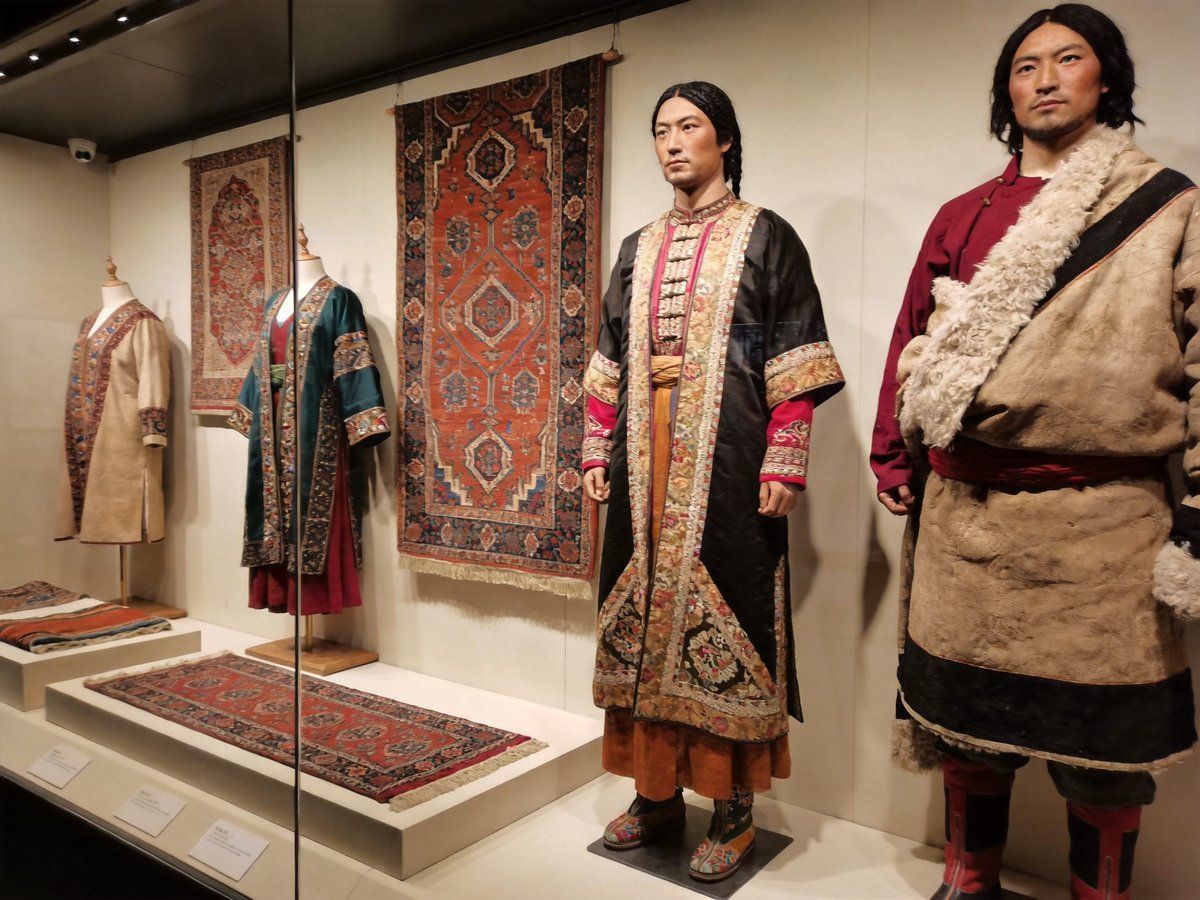
Long before the first fashion magazine or runway show, the ancient Silk Road served as the world's most influential conduit for textile and clothing innovation. For more than fifteen centuries, this network of trade routes stretching from East Asia to the Mediterranean facilitated the exchange of not just goods but ideas about dress, decoration, and personal adornment. Silk, cotton, dyes, and weaving techniques traveled across continents, creating a shared textile heritage that continues to influence fashion today.
Chinese Silk Reaches Rome: More Valuable Than Gold
The most famous textile to travel the Silk Road was Chinese silk. During the Han Dynasty, around the second century BCE, silk began making its way westward through Central Asia and into the Roman Empire. Roman historians wrote with wonder about the translucent fabric that allowed skin to show through, and Roman senators passed laws banning men from wearing silk, claiming it was effeminate and decadent. These laws were universally ignored. Silk became so valuable in Rome that it was traded pound for pound with gold, and the Roman elite could not get enough of it. The demand for silk was so intense that it drained Roman coffers and became a major factor in the empire's trade deficit with the East.
I can see clothes of silk, if materials that do not hide the body, nor even one's decency, can be called clothes... Wretched flocks of maids labor so that the adulteress may be visible through her thin dress, so that her husband has no more acquaintance than any outsider with his wife's body.
— Seneca the Younger, Roman philosopher, first century CE, on the scandal of silk garments
The silk trade was a closely guarded secret. The Chinese government maintained a monopoly on silk production for centuries, and revealing the sericulture process to foreigners was punishable by death. Yet the technology eventually spread westward through Central Asia, reaching the Byzantine Empire around the sixth century CE, when monks smuggled silkworm eggs inside hollow bamboo canes. This marked the beginning of silk production outside China and the birth of major silk-weaving centers in Persia, Syria, and eventually Italy.
Indian Cotton and Dyeing Techniques
While silk dominated the luxury trade, cotton was arguably the more democratically transformative textile. India was the world's primary source of high-quality cotton for centuries, and Indian cotton cloth traveled the Silk Road in both directions. Indian weavers had mastered techniques for producing lightweight, breathable fabrics that were ideal for warm climates, and their expertise in dyeing was equally advanced.
The indigo plant, used to create deep blue dyes, was cultivated in India and traded across the Silk Road to the Middle East, North Africa, and Europe. Indigo became one of the most valuable commodities in the ancient world. Indian dyers also perfected mordant dyeing techniques that allowed colors to bind permanently to fabric, producing vibrant patterns that did not wash out. These techniques spread to Persia and the Mediterranean, transforming local textile traditions.
Persian Carpet Weaving and Chinese Textile Patterns
The exchange was not a one-way flow from East to West. Persian artisans brought their own sophisticated textile traditions to the Silk Road. Persian carpet weaving, already highly developed by the Sassanid period, introduced complex geometric patterns and intricate knotting techniques that influenced Chinese textile design. Chinese weavers adopted Persian medallion patterns, arabesque motifs, and the distinctive cloud-band design that became a staple of Chinese imperial textiles.
Persian textiles were prized in China for their rich colors and bold patterns. The Tang Dynasty court, in particular, was deeply influenced by Persian and Central Asian fashion, adopting foreign garments and accessories as symbols of cosmopolitan sophistication.
Garments That Traveled the Routes
Specific garment types spread along the Silk Road, adapting to local tastes and materials. The kaftan, a long coat-like garment with wide sleeves, originated in Central Asia and spread in all directions. In the Middle East it became a staple of modest dress, in China it was adopted as a court garment, and in Eastern Europe it evolved into regional folk costumes. The tunic, a simple T-shaped garment, traveled from the Mediterranean to Central Asia and back, evolving into countless regional variations.
The spread of trousers is one of the most significant clothing exchanges in history. Originally worn by nomadic horse-riding peoples of Central Asia, trousers were adopted by Chinese soldiers during the Warring States period and eventually became standard dress across much of the world. The Roman Empire initially scorned trousers as barbarian clothing, but later legions adopted them for practical military use in cold climates.
- Kaftans: Central Asian origin, spread to Middle East, China, and Eastern Europe
- Tunics: Mediterranean origin, adapted across Central Asia with local variations
- Trousers: Nomadic Central Asian invention, adopted by Chinese and later European militaries
- Shawls: Kashmir origin, traded to Persia and Europe, evolved into luxury accessories
- Headscarves: Varied forms spread both ways, from Middle Eastern veils to Chinese headwraps
Techniques That Crossed Continents
Beyond finished garments, the Silk Road carried the techniques and technologies of textile production. Indigo dyeing spread from India to become a global industry, with indigo plantations established in the Middle East, Africa, and eventually the Americas. Brocade weaving, the technique of creating raised patterns by weaving supplementary weft threads, originated in China and was perfected in Persia, Byzantium, and medieval Italy. The term 'brocade' itself comes from the Italian 'broccato,' meaning 'embossed cloth,' though the technique is fundamentally Chinese in origin.
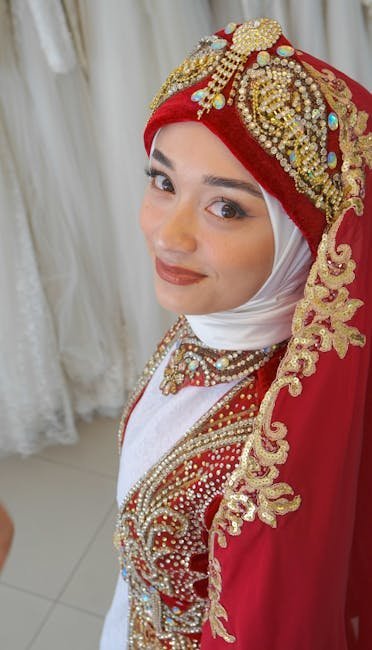
Gold thread embroidery, known as zari in South Asia and passedementerie in Europe, traveled from China through Central Asia to the Middle East and Europe. Skilled artisans learned to wrap silk threads with thin strips of gold or silver, creating fabrics so valuable they were used as currency and diplomatic gifts. The Ottoman Empire and Byzantine Empire both became renowned for their gold-thread embroidered textiles, creating styles that would later influence Renaissance fashion.
Central Asian Embroidery: A Fusion Tradition
Central Asia served as the melting pot where Eastern and Western textile traditions blended most visibly. The embroidery traditions of Uzbekistan, Turkmenistan, and Kazakhstan show clear influences from both Chinese and Persian sources. Uzbek suzani embroideries combine Chinese floral motifs with Persian medallion layouts, creating a distinctive style that is neither purely Eastern nor purely Western but something entirely its own. Turkmen carpet weaving uses geometric patterns that echo ancient Central Asian symbols while incorporating dyeing techniques learned from Indian and Persian traders.
The First Globalized Commodity
Fashion may have been the first truly globalized commodity in human history. Before spices, before precious metals, before ideas of governance or religion, textiles crossed cultural boundaries and were adopted by people who had never seen the source culture. The demand for beautiful fabrics and distinctive garments drove exploration, conquest, and cultural exchange on a scale that would not be matched until the modern era. The Silk Road was not just a trade route for textiles - it was the network that connected humanity's desire for self-expression through dress.
Did You Know?
The term 'Silk Road' was coined in 1877 by German geographer Ferdinand von Richthofen, who never actually traveled it. At its peak, a single bolt of Chinese silk could purchase a small farm in the Roman Empire. The total length of all routes combined was approximately 6,400 kilometers (4,000 miles), making it the longest trade network in the ancient world.
Modern Legacy in Designer Collections
The textile heritage of the Silk Road is not merely a historical curiosity - it continues to influence contemporary fashion. Major designers regularly draw on Silk Road motifs and techniques. Valentino's collections have featured Persian-inspired embroidery patterns. Dior has incorporated Central Asian suzani motifs into ready-to-wear lines. The Chinese fashion revival has brought Tang Dynasty-inspired silk garments to international runways. Traditional ikat weaving from Uzbekistan has appeared in collections from Oscar de la Renta to Zara. The Silk Road's textile legacy lives on in the global fashion industry, a testament to the enduring power of cultural exchange through dress.
Related Comparisons

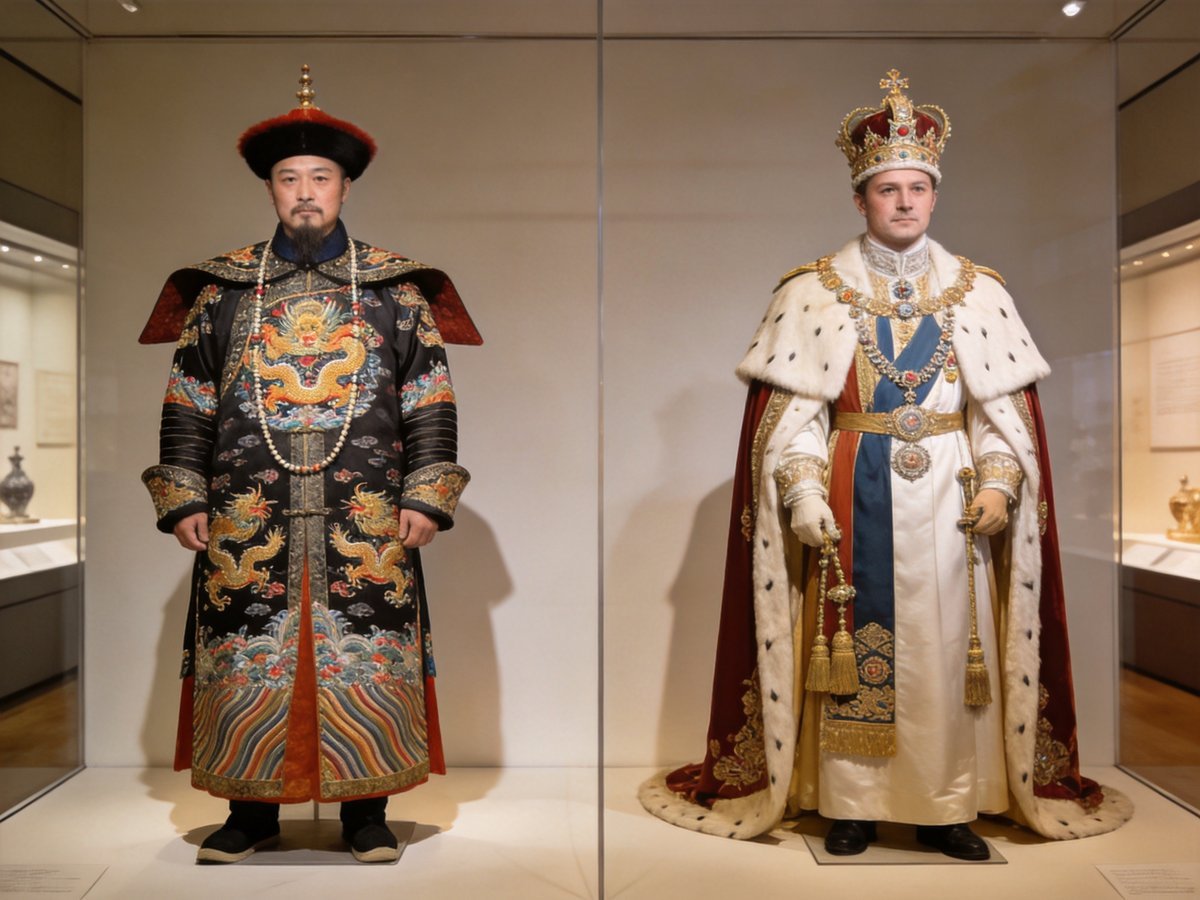
The legacy of the Silk Road reminds us that fashion has never been a purely local phenomenon. From the earliest days of civilization, people have sought out beautiful fabrics and distinctive garments from distant lands, adapting and incorporating foreign elements into their own traditions. The ancient network of trade routes that connected East and West for more than fifteen centuries created a shared textile heritage that belongs to all humanity, a reminder that our desire for self-expression through dress transcends cultural boundaries and connects us across time and space.