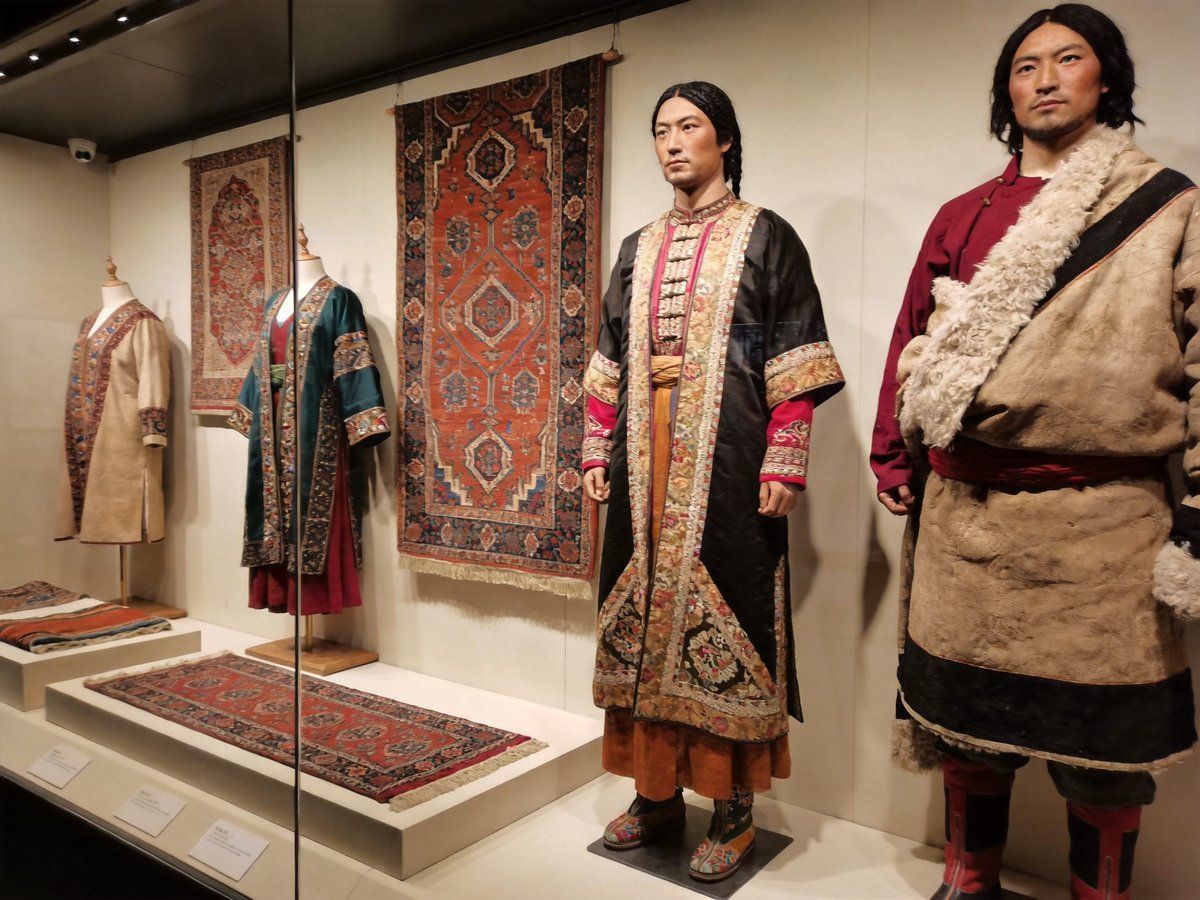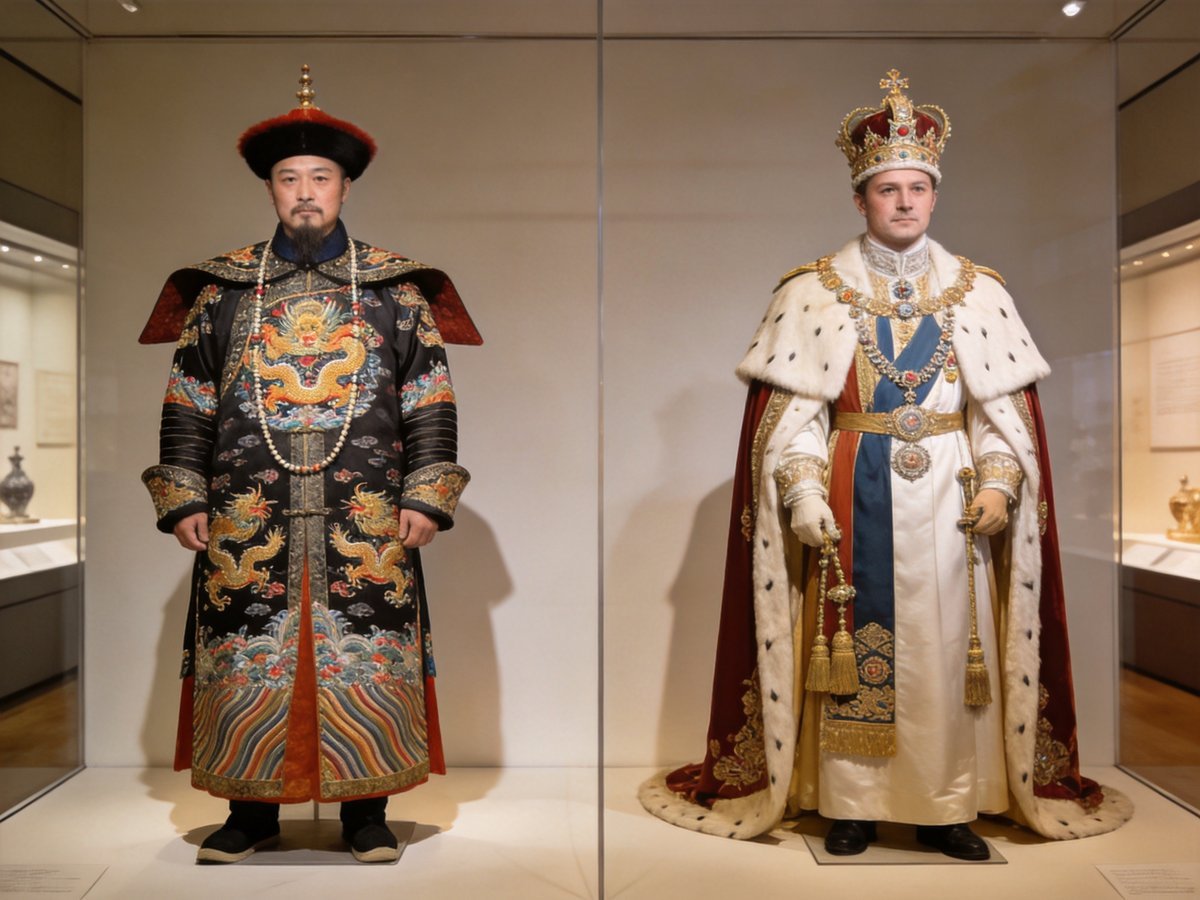
Clothing speaks a silent language. Every color, pattern, and motif carries meaning that is understood by those within a culture but can be completely lost or misinterpreted by outsiders. When Eastern and Western fashion symbols collide, the results can be fascinating, confusing, or even offensive. Understanding these symbolic differences is essential for anyone who wants to dress with cultural awareness in a globalized world.
Color Symbolism: The Same Hue, Different Stories
Perhaps no area of fashion symbolism reveals cultural differences more starkly than color. The same color can carry diametrically opposite meanings in Eastern and Western contexts, creating potential for both beautiful fusion and awkward misunderstanding.
Red: Luck vs Danger
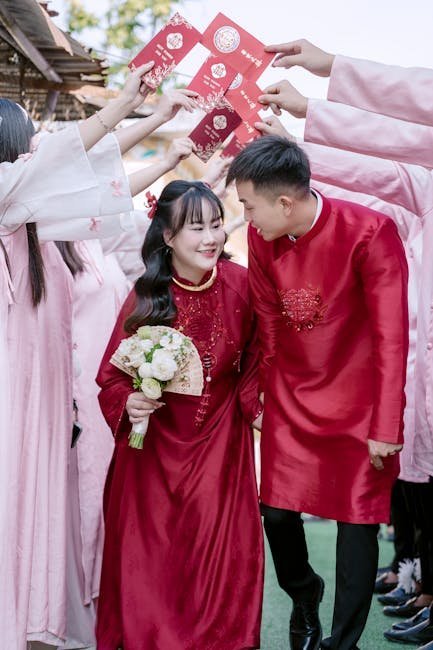
Red is the most dramatic example of divergent color symbolism. In Eastern fashion, particularly in Chinese culture, red is the color of luck, prosperity, celebration, and joy. It is the essential color for weddings, festivals, and auspicious occasions. A red dress or accessory is seen as vibrant and positive. In Western fashion, red carries more ambivalent associations. It symbolizes passion, love, and power on the positive side, but also danger, aggression, and warning on the negative. A woman in a red dress in Western culture makes a very different statement than a bride in a red qun kwa in Chinese tradition.
White: Mourning vs Purity
White presents another striking contrast. In Western fashion, white is the color of purity, innocence, and new beginnings. It is the traditional color for wedding dresses and christening gowns. In much of Eastern culture, particularly in China, Korea, and Japan, white has traditionally been the color of mourning and death. White is worn at funerals and is considered unlucky for celebrations. This difference creates an interesting paradox: a Western bride in white would be dressed for a funeral by Eastern standards, while a Chinese bride in red would be dressed for a passionate affair by Western interpretation.
Colors are not just colors in fashion - they are the vocabulary of a silent language that everyone speaks but few study. Red is celebration in one culture and warning in another, and both are right. The fashion-literate traveler learns this vocabulary before packing their suitcase.
Gold: Imperial vs Wealth
Gold is one of the few colors where Eastern and Western symbolism partially align, though with different emphases. In Chinese fashion, gold is the imperial color, associated with the emperor, divine authority, and ultimate luxury. It appears in dragon robes, imperial regalia, and bridal embroidery. In Western fashion, gold represents wealth, success, and glamour. It is associated with royalty, awards ceremonies, and luxury brands. The difference lies in the connotation: Eastern gold carries spiritual and political authority, while Western gold is more purely about material wealth and status.
Black: Sophistication in Both Cultures
Black is perhaps the most universally successful fashion color, though with different nuances. In Western fashion, black is the ultimate symbol of sophistication, elegance, and formality. The little black dress, the black tuxedo, and black leather jackets each represent different facets of coolness and style. In Eastern fashion, black carries more complex associations. It is the color of water and winter in Chinese philosophy, representing depth and mystery. It appears in traditional attire but is more restrained than in the West. Modern Asian fashion has fully embraced black's chic potential, though traditional events still tend toward brighter colors.
Yellow: Imperial China vs Caution in the West
Yellow occupies vastly different positions in Eastern and Western fashion. In Chinese culture, golden yellow was the exclusive color of the emperor during the Qing Dynasty. Commoners were forbidden from wearing it, and the penalty could be severe. Yellow represented the center of the universe and the emperor's divine mandate. In Western fashion, yellow is used sparingly. It is associated with sunshine, happiness, and warmth but also with caution and cowardice. Yellow is one of the least popular colors in Western wardrobes, particularly for formal wear, standing in stark contrast to its esteemed position in Chinese history.
Animal Motifs: Creatures of Different Meanings
Animal motifs in fashion reveal fundamental cultural differences in how nature is perceived and valued. The same animal can be revered in one culture and reviled in another.
- Dragon: Benevolent power and prosperity in Eastern fashion; evil and danger to be slain in Western tradition
- Phoenix: Empress, grace, and marital harmony in Eastern fashion; rebirth and immortality in Western symbolism
- Tiger: Protection, courage, and ward against evil in Eastern garments; exotic danger and stripes in Western fashion
- Crane: Longevity, wisdom, and nobility in Eastern fashion; elegant bird in Western, used sparingly
- Bat: Good fortune and happiness in Chinese fashion (the word sounds like 'fortune'); fear, vampires, and darkness in Western culture
- Butterfly: Joy and marital bliss in Eastern fashion; transformation and fleeting beauty in Western
- Fish: Abundance and prosperity in Eastern motifs (sounds like 'surplus'); Christian symbol or simply decorative in Western
Plant Motifs: The Language of Flowers in Cloth
Floral and plant motifs carry particularly rich symbolic meaning in Eastern fashion, while Western fashion tends to use flowers more for their aesthetic qualities than their symbolic ones. The peony, known as the queen of flowers in Chinese culture, represents wealth, honor, and feminine beauty. It appears extensively in traditional Chinese clothing and embroidery. In Western fashion, peonies are admired for their beauty but carry no specific symbolic weight beyond general associations with romance. The chrysanthemum represents longevity and noble character in Eastern fashion, while in the West it is simply a fall flower. The lotus flower, symbolizing purity rising from muddy waters, is a central motif in Buddhist-influenced Eastern fashion but rare in Western clothing. Bamboo, representing resilience and integrity, appears frequently in Chinese textile patterns but is almost entirely absent from Western fashion.
Pattern Meanings: Clouds, Waves, and Mountains
Beyond individual motifs, the organization of patterns carries meaning. In Chinese embroidery, clouds represent good fortune and the connection between heaven and earth. Waves symbolize eternity and the cosmic ocean. Mountains represent stability and the earth. These natural elements are arranged in specific ways that tell stories and convey status. In Western fashion, geometric patterns, heraldic symbols, and abstract designs carry different meanings. Stripes have a complex history, having been associated with everything from medieval outcasts to modern preppy style. Plaid patterns indicate Scottish clan affiliations in traditional contexts. Western heraldic patterns use lions, eagles, and crosses to convey family lineage and social status in ways quite different from Chinese motif systems.
Numbers in Fashion: Lucky and Unlucky
Numerical symbolism extends to fashion in both cultures. In Eastern fashion, the number 8 is considered extremely lucky because it sounds like the word for wealth and prosperity. Garments may feature eight auspicious symbols or eight Buddhist treasures. The number 4 is avoided because it sounds like the word for death. Buttons are often arranged in groups of five or six rather than four. In Western fashion, the number 7 is considered lucky and appears in various decorative contexts. The number 13 is avoided in fashion and design, with many hotels and buildings skipping the 13th floor. These numerical taboos influence design choices in subtle but real ways.
Globalization: How Symbolism Is Blending
Globalization is rapidly changing fashion symbolism. Western brands now regularly incorporate Eastern motifs, though not always with full understanding of their meaning. Dragon embroidery appears on Western jackets, Chinese characters are used as graphic elements in Western fashion, and Eastern-inspired prints are perennial trends. Conversely, Eastern fashion has enthusiastically adopted Western symbols of luxury and status. Designer logos, Western-style tailoring, and international fashion brands are worn as status symbols across Asia. This blending creates new hybrid meanings that neither culture fully controls. A dragon on a Western t-shirt means something different than a dragon on a Chinese imperial robe, but both have validity in the global fashion conversation.
Did You Know?
The dragon motif in Chinese fashion historically distinguished imperial from commoner. A five-clawed dragon was reserved exclusively for the emperor and his closest family. Four-clawed dragons were for nobles, and three-clawed dragons for officials. Wearing the wrong number of dragon claws was a capital offense. In contrast, when dragons appear in Western fashion, they are typically used as generic symbols of fantasy or video game culture with no such hierarchical meaning.
Practical Guide: What to Wear at Cross-Cultural Events
Understanding fashion symbolism is not just academic - it has practical implications for anyone participating in cross-cultural events. When attending a Chinese wedding, avoid white or black outfits, which are associated with mourning. Red is the safest and most respectful choice. At a Western wedding, avoid wearing white, which might compete with the bride. When visiting a temple or religious site in East Asia, avoid clothing with animal motifs that might be disrespectful or misunderstood. Dragon patterns, while popular in Western fashion, should be worn with awareness of their significance in Eastern culture. When giving clothing as a gift across cultures, research the color and pattern symbolism first. A white scarf might be a thoughtful gift in Paris but perceived as funereal in Beijing. These considerations are not about limiting expression but about dressing with cultural intelligence and respect.