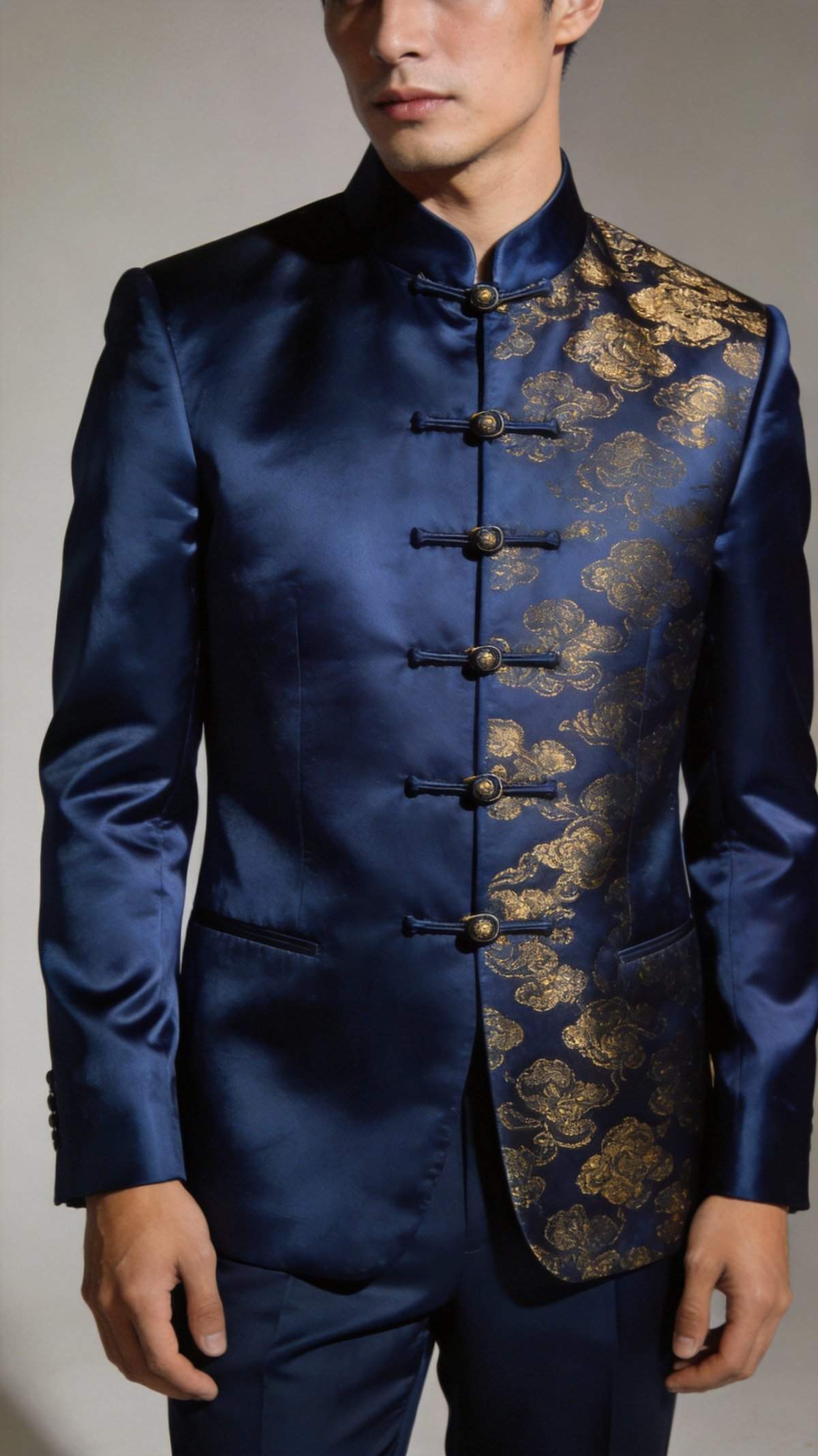
The tang suit is one of fashion history's greatest misnomers. Despite its name, which literally means 'Tang Dynasty clothing,' this garment actually originated during the Qing Dynasty and has no connection to the Tang Dynasty at all (618-907 AD). The name came about through a combination of historical confusion and marketing savvy, but the garment itself has become an enduring symbol of Chinese cultural identity that is recognized and respected around the world. The misnaming has actually contributed to the tang suit's romantic appeal: by associating the garment with China's golden age, the name invites wearers and observers to connect with a grander historical narrative than the more recent Qing Dynasty origins would suggest.
The True Origins
The garment we call the tang suit today is actually derived from the magua, the Manchu-style riding jacket that was imposed on the Han Chinese population after the Qing conquest in 1644. The magua was a short, front-fastening jacket with narrow sleeves, designed for horseback riding. Over time, it evolved into a more formal garment, worn as a jacket over a longer robe called a changshan. The combination of changshan and magua became the standard formal dress for Chinese men throughout the Qing Dynasty and into the early Republican period. The changshan itself was a full-length robe with a standing collar and side slits, typically made from silk, cotton, or wool depending on the season. The magua jacket layered over it added warmth and formality, creating a silhouette that was simultaneously dignified and practical. This two-piece system allowed men to adapt their dress to different occasions by changing either layer independently, and it remained the dominant formal menswear style in China until Western suits became widespread after the 1911 Revolution.
Key Features of the Tang Suit
- Mandarin collar, a short standing collar that folds neatly around the neck
- Frog buttons (pankou) as decorative closures, often in knotted silk cord
- Front-fastening with a central placket, unlike traditional cross-collared garments
- Narrow or medium-width sleeves, more practical than traditional wide sleeves
- Side slits at the hem for ease of movement
- Often made of silk or brocade with intricate patterns
The irony of the tang suit is extraordinary: a Manchu riding jacket imposed on the conquered Han population is now celebrated as quintessentially Chinese, while its actual Tang Dynasty namesake bears no resemblance to it whatsoever.
How the Name Originated
The name 'tang suit' originated among overseas Chinese communities. Many overseas Chinese, particularly in Southeast Asia, referred to themselves as 'Tang people' (Tangren) in memory of China's golden age. When they returned to China or sent for clothing, they would ask for 'Tang-style clothing' - meaning clothing worn by Chinese people. Local tailors, unfamiliar with the actual Tang Dynasty styles, produced the contemporary magua and changshan, which overseas customers accepted as 'tang suits.' The name stuck despite its historical inaccuracy.
Fabric and Craftsmanship
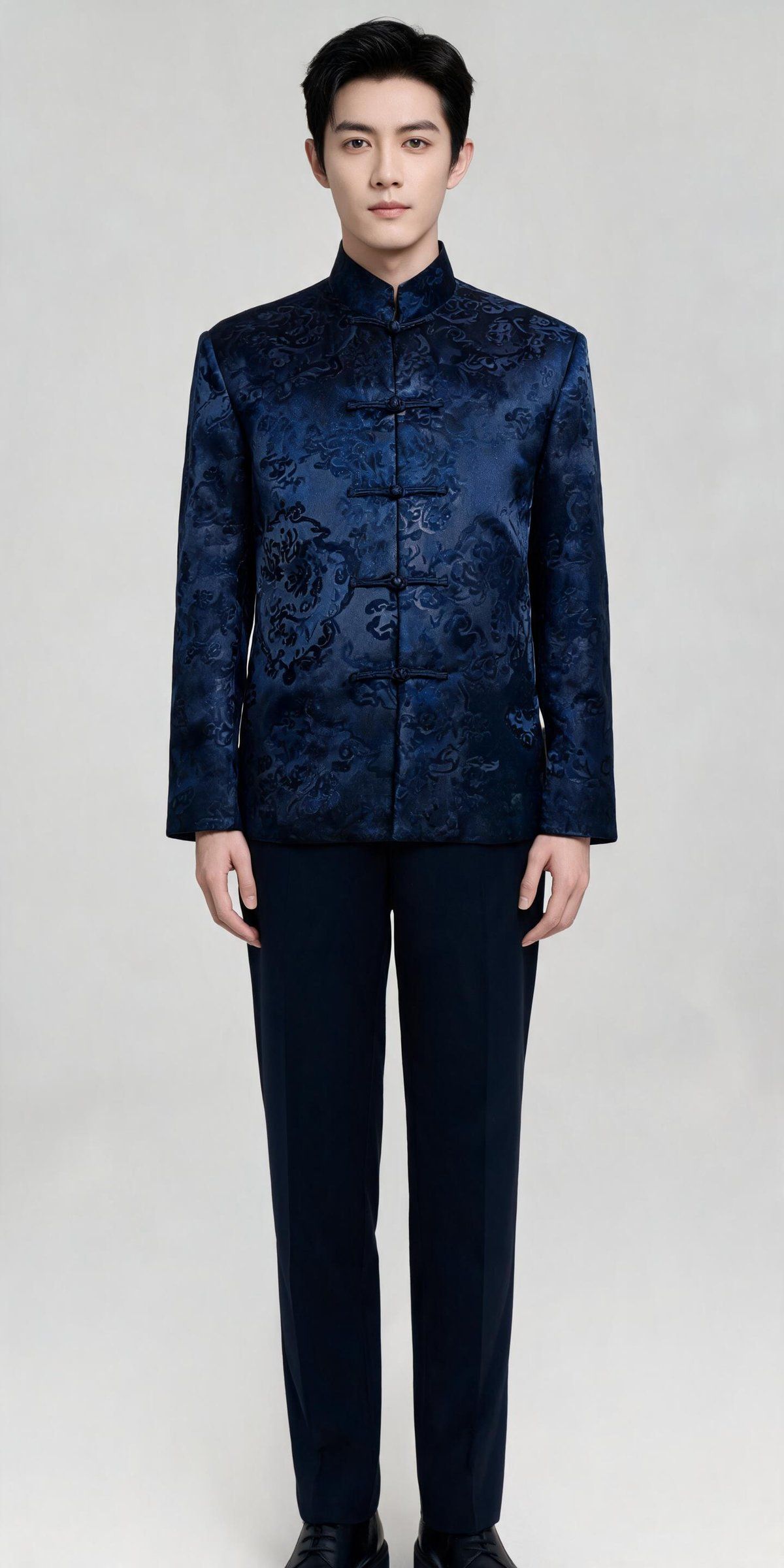
The tang suit's visual impact depends heavily on fabric selection, and the most prized versions use silk brocade woven on traditional jacquard looms. Brocade patterns often incorporate traditional motifs such as the shou character for longevity, interlocking coins for wealth, or clouds and waves symbolizing good fortune. The fabric is cut so that the pattern aligns symmetrically across the center front placket—a detail that requires extra fabric and careful layout but is a hallmark of quality construction. The frog buttons, or pankou, are each made by hand from a single length of silk cord that is looped, knotted, and shaped into decorative forms such as butterflies, flowers, or simple figure-eights. A full set of frog buttons for one jacket can take a skilled craftsperson an entire day to complete, and the tightness of the knots directly affects the garment's durability. Beyond silk, summer-weight tang suits in fine cotton or linen provide a more casual option suitable for warmer climates, while winter versions in wool or velvet offer warmth for Lunar New Year celebrations that fall during the coldest months.
The APEC Revival
The tang suit experienced a dramatic global revival in 2001, when China hosted the APEC summit in Shanghai. The Chinese government presented world leaders with custom-made tang suits in traditional silk brocade for the official family photo. Images of world leaders including George W. Bush, Vladimir Putin, and other heads of state wearing Chinese-style jackets were broadcast worldwide. This single event sparked a massive surge in tang suit popularity, both in China and internationally, as people rushed to buy the garment they had seen on world leaders.
Modern Interpretations
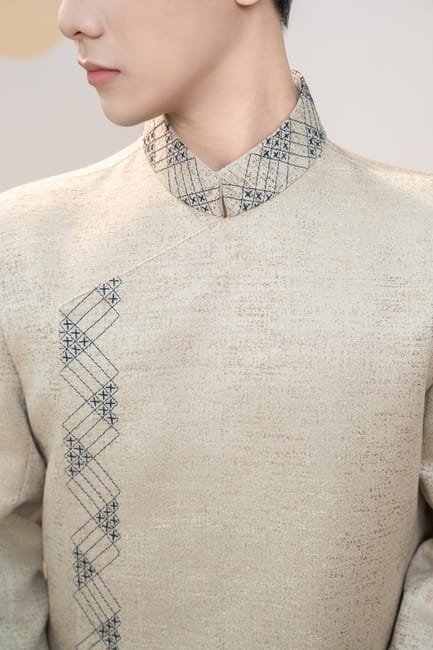
Today, the tang suit is worn globally for special occasions including Chinese New Year, weddings, and formal ceremonies. Contemporary designers have updated the classic tang suit with modern fabrics, colors, and cuts while maintaining the essential features of the mandarin collar and frog buttons. The garment has also influenced international fashion, with Western designers incorporating tang suit elements into their collections. Despite its historical inaccuracy, the tang suit remains a beloved symbol of Chinese cultural identity, worn with pride by Chinese people around the world. In the realm of high fashion, designers like Guo Pei and Laurence Xu have reinterpreted the tang suit jacket silhouette in couture collections, pairing traditional embroidery techniques with unconventional materials. The tang suit has also found a new audience among younger generations, who appreciate it as a form of cultural heritage rather than a political statement. In major diaspora communities from San Francisco to Sydney, tang suit rental shops report their busiest periods around Lunar New Year, when demand for the garment surges among third and fourth-generation overseas Chinese.
Did You Know?
The APEC 2001 summit made tang suit sales in China skyrocket by over 300% in a single month. Factories worked overtime to meet demand as people rushed to own the same style worn by world leaders, and the garment's international visibility reached unprecedented levels.
Construction and Design of the Tang Suit
The tang suit, despite its misleading name, follows the construction principles of late Qing dynasty Manchu clothing rather than Tang dynasty garments. The most recognizable feature is the standing mandarin collar, a short vertical band that rises approximately one inch from the neckline and fastens at the front with a fabric knot button. The jacket is cut with a straight, boxy silhouette that falls to the hip, with set-in sleeves that provide comfortable arm movement without excess fabric. The front closure uses fabric frogs, called pankou, which are handmade knots of braided silk that serve as both fasteners and decorative elements. The number of frogs can vary from five to seven on the front, with additional frogs at the cuff for formal versions of the garment.
Traditional tang suit fabrics and colors carry specific cultural meanings. Silk brocade with woven patterns is the most traditional material, with the most common motifs being the Chinese character for longevity, the endless knot, and stylized floral patterns. Red tang suits are worn for celebrations such as weddings and Lunar New Year, as red symbolizes good fortune in Chinese culture. Blue and black versions are considered more formal and appropriate for business occasions, while gold brocade is reserved for the most festive events. The lining of the jacket is typically made from a contrasting color of silk, visible only when the jacket is open, adding a subtle layer of sophistication to the garment design. Modern tang suits may use velvet, damask, or synthetic brocades that replicate traditional patterns at lower cost.
The Global Spread of the Tang Suit
The tang suit gained international visibility through a combination of political symbolism and pop culture exposure. The 2001 APEC summit in Shanghai marked a turning point when world leaders appeared in specially designed tang suits for the official group photograph, broadcasting the garment to a global audience of billions. This single event transformed the tang suit from a garment associated with elderly men and nostalgic overseas Chinese into a fashionable option for formal occasions. International fashion designers began incorporating tang suit elements into their collections, and the garment became a popular choice for weddings, graduations, and formal events among Chinese communities worldwide. The APEC summit effectively relaunched the tang suit as a modern garment with global appeal.
In contemporary fashion, the tang suit has evolved beyond its traditional form while maintaining its essential character. Designers have created versions with Mandarin collars on Western-style suit jackets, casual wear with simplified frog closures, and women tang suits that follow the fitted silhouette of the qipao rather than the boxy men cut. The garment appears regularly in film and television productions set in both historical and contemporary China, reinforcing its status as a visual shorthand for Chinese identity. While the name tang suit is historically inaccurate, its widespread acceptance demonstrates that cultural symbols can develop meanings independent of their factual origins, and the garment stands today as a recognizable emblem of Chinese heritage that continues to evolve with contemporary fashion sensibilities.