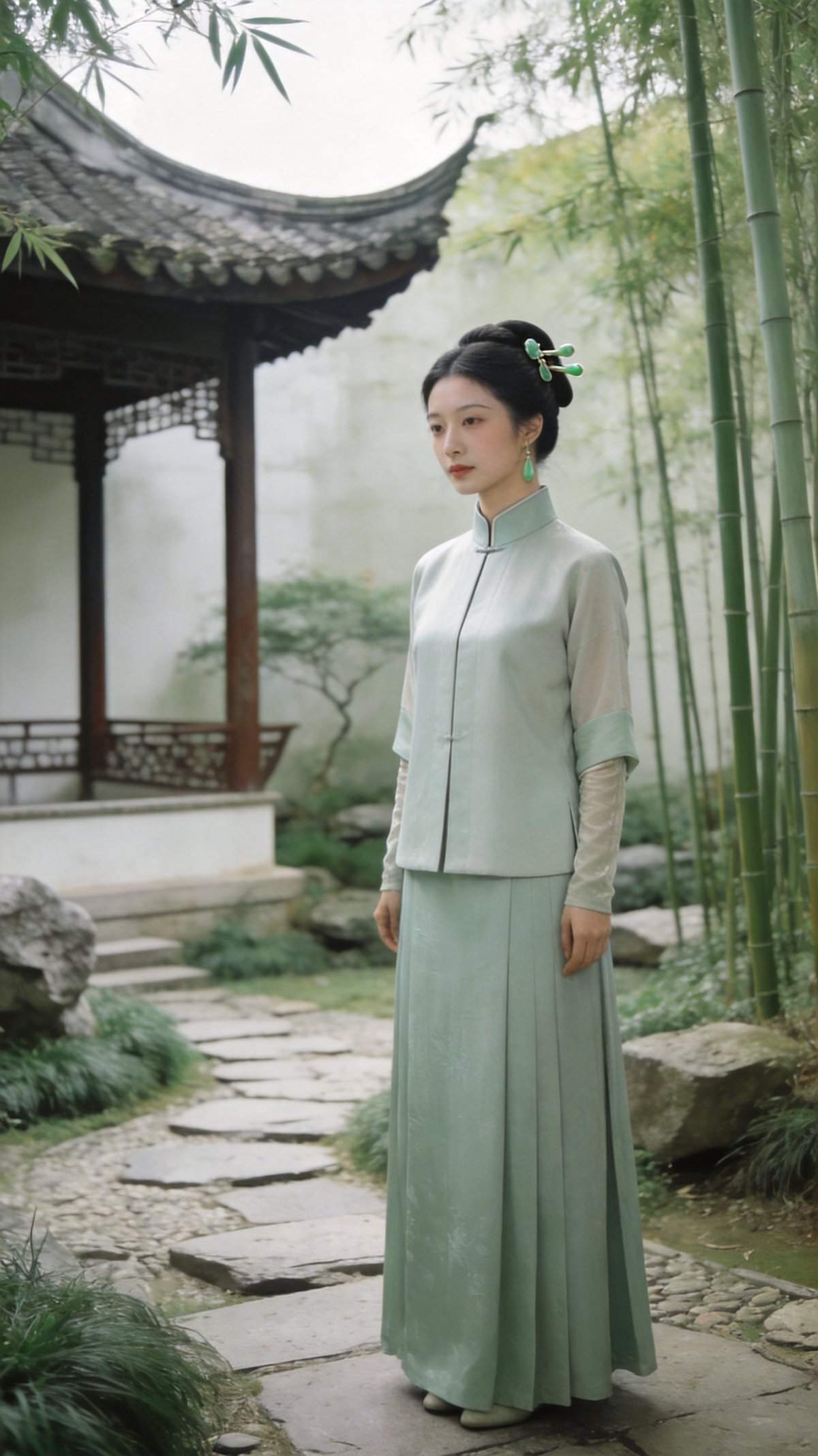
The Song Dynasty (960-1279 AD) marked a significant shift in Chinese fashion, moving away from the bold opulence of the Tang toward a more restrained and refined aesthetic. This transformation was deeply influenced by the rise of Neo-Confucianism, which emphasized modesty, simplicity, and moral cultivation over outward display. Song clothing reflects a society that valued scholarly refinement over military might and commercial wealth.
The Neo-Confucian Fashion Revolution
Neo-Confucianism, particularly the School of Principle led by Zhu Xi, profoundly influenced Song Dynasty clothing. The philosophy emphasized inner virtue over external appearance, leading to clothing that was modest, functional, and understated. Bright colors and ostentatious decorations were discouraged in favor of muted earth tones and clean lines. This represented a conscious rejection of Tang Dynasty flamboyance and a return to what Confucian scholars considered proper Han Chinese values.
Key Garments of the Song Era
The most representative garment of Song Dynasty fashion is the beizi, a long, straight-sided jacket worn open at the front. Unlike the cross-collared robes of earlier dynasties, the beizi had a straight collar that ran parallel to the center front, creating a clean, vertical line that visually elongated the body. It was worn by both men and women, though in different styles. Women's beizi often featured side slits and was worn over a ruqun, while men's beizi was more tailored and often had a standing collar. The garment could be made from lightweight summer silk or heavier winter brocade, and its length varied from hip to ankle depending on the wearer's status and the occasion. This garment exemplifies Song aesthetics: simple, elegant, and practical. Other important Song garments included the ruqun for women, which consisted of a short jacket paired with a long skirt, and the round-collared robe for male officials, which maintained the Tang style but in more subdued colors and with narrower proportions.
Characteristics of Song Clothing
- Narrow sleeves replacing the broad Tang-style sleeves
- Subdued colors: ivory, gray, brown, pale blue, and soft green
- The beizi as the defining garment of the era
- Simple hair ornaments replacing elaborate Tang crowns
- Layered but lightweight construction for comfort
- Minimal embroidery compared to Tang and Ming standards
Song Dynasty fashion is often described as 'scholar's aesthetics' - a conscious choice of refinement over riches, of quiet confidence over loud display. In a Song painting, the most virtuous person is often the most simply dressed.
Fabrics and Textile Innovation
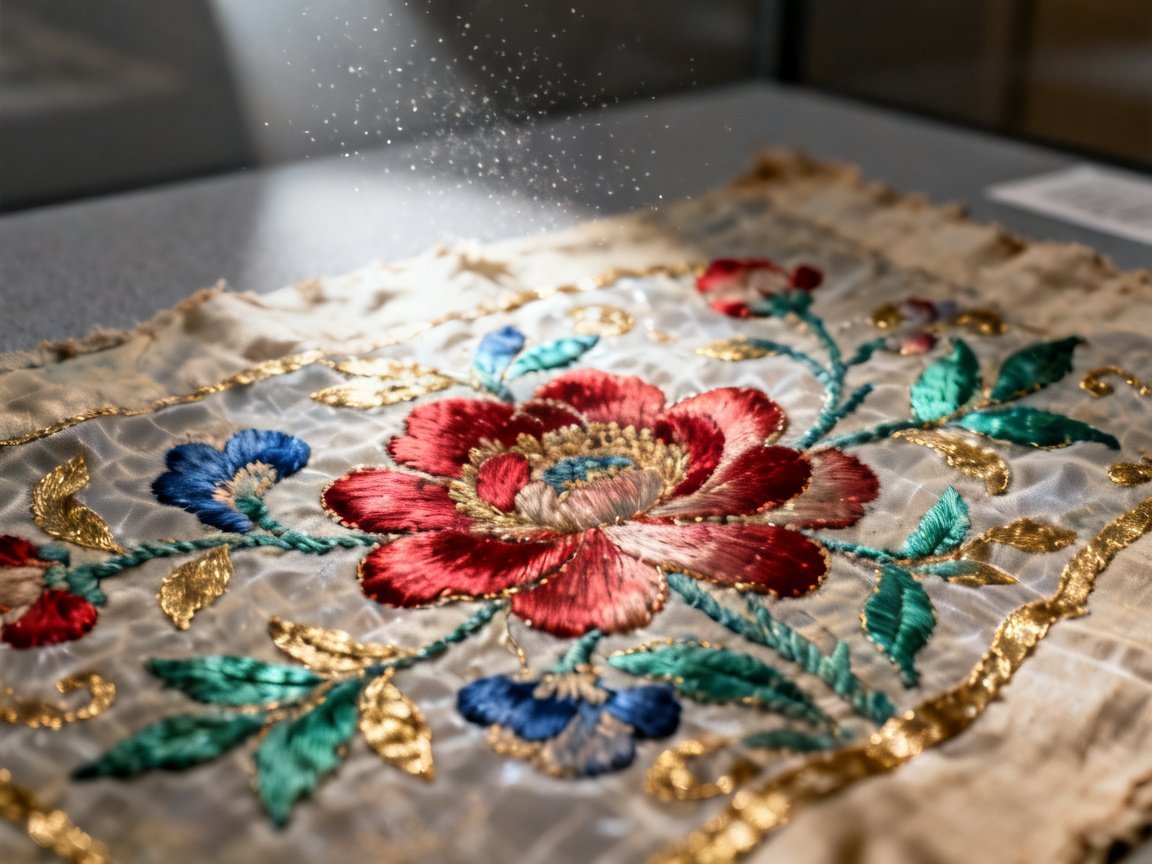
Song Dynasty advances in sericulture and weaving technology enabled the production of finer and more varied silk fabrics than ever before. The introduction of improved loom designs allowed for more intricate patterns at lower cost, making decorated silk accessible to the growing merchant class. Ramie and hemp remained the primary fabrics for common clothing, valued for their breathability in the humid southern climate where much of the population lived. Cotton cultivation began spreading from the south during this period, though it would not become widespread until the Ming Dynasty. The Song also saw the rise of specialized textile markets, with certain cities known for particular fabric types — Hangzhou for gauze silks, Chengdu for brocades, and Quanzhou for export-quality satins that traveled the maritime Silk Road to Southeast Asia and beyond. Government textile workshops employed thousands of weavers, while private commercial operations flourished alongside them, creating a textile economy of remarkable scale and sophistication for the pre-industrial world.
Women's Fashion
Song Dynasty women's fashion was characterized by its graceful simplicity. The typical ensemble consisted of a short jacket or beizi worn over a long skirt, with a sash tied at the waist. Necklines were high and modest, sleeves were narrow, and hemlines often touched the ground. The beizi was particularly versatile, worn open over inner garments to create a layered look that added visual interest without the ostentation of heavy embroidery. Hair was styled in simple buns adorned with combs and hairpins made of jade, silver, or gold. Unlike the towering hairstyles of the Tang, Song women favored smaller, neater arrangements that reflected Neo-Confucian ideals of restraint. A notable innovation of the period was the use of fresh flowers as hair ornaments, with seasonal blooms such as peonies and osmanthus pinned directly into the hair for special occasions. The overall effect was one of understated elegance that emphasized the natural beauty of the fabrics and the wearer's poise.
Cultural and Commercial Influence
The Song Dynasty was a period of remarkable economic growth and commercialization, and this prosperity was reflected in the clothing trade. Major cities had thriving textile markets where silk, hemp, and cotton were traded. The invention of movable type printing during this period led to the widespread circulation of fashion illustrations, allowing trends to spread more quickly than ever before. This early form of fashion media meant that styles in the capital could influence provincial dress within weeks rather than months. The Song capital of Kaifeng and later Hangzhou were home to specialized clothing districts where customers could purchase ready-made garments, commission bespoke tailoring, or buy fabrics and patterns to sew at home.
The scholar-official class dominated Song culture and set aesthetic standards that filtered down through society. Since government positions were awarded through competitive civil service examinations rather than hereditary privilege, clothing became a visible marker of examination success. A man who passed the imperial exams would immediately adopt the dress of his new rank, and his entire family's clothing would reflect their elevated status. This meritocratic dimension of Song fashion was revolutionary for its time and contributed to the dynasty's reputation as a society where talent could overcome humble origins. The visual language of Song scholar clothing influenced dress codes across East Asia, with Korean and Japanese elites adopting similar restrained, scholarly aesthetics for their own official costumes.
Did You Know?
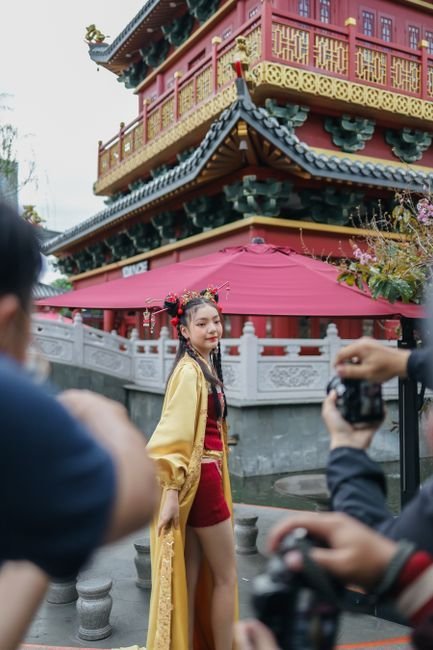
During the Song Dynasty, the government regulated the length of sleeves, the width of collars, and even the colors of clothing based on social class. Commoners were forbidden from wearing purple or certain shades of red, which were reserved for officials.
Song Dynasty Silhouettes and Aesthetic Principles
The Song dynasty marked a profound shift in Chinese fashion toward understated refinement and scholarly elegance. In contrast to the bold, cosmopolitan styles of the Tang, Song clothing emphasized clean lines, narrow silhouettes, and subtle color palettes. The most distinctive garment of the period was the beizi, a long, straight-sided jacket worn open at the front, often reaching to the knees or ankles. The beizi featured narrow sleeves and a straight collar that fell parallel to the center front, creating a vertical line that elongated the figure. This garment was worn by both men and women, with variations in length and fabric quality distinguishing social status. Women typically wore the beizi over a ruqun, creating a layered look that was both modest and elegant.
The Neo-Confucian philosophy that dominated Song intellectual life directly influenced clothing design. Modesty and restraint became primary values, leading to higher necklines, narrower sleeves, and more concealing silhouettes than previous eras. Colors shifted from the bright, saturated hues of the Tang to softer tones such as pale blue, light green, lavender, and muted pink, colors that were considered refined and scholarly. The use of patterned silks continued, but patterns became smaller and more delicate, favoring subtle geometric repeats and stylized botanical motifs over the bold, large-scale designs of earlier periods. This aesthetic of understated elegance reflected the Song scholar-official ideal, where true quality was expressed through subtlety rather than ostentation.
Women's Fashion and Hair Ornamentation
Song dynasty women's fashion achieved a distinctive balance between modesty and sophistication. The standard ensemble consisted of a short jacket or beizi worn over a long skirt, with the waistline raised to just below the bust, creating a high-waisted effect that lengthened the legs. Skirts were typically cut from multiple panels of fabric, pleated at the waist to create fullness while maintaining a narrow overall silhouette. The fabric choices reflected the wearers status, with silk and brocade reserved for wealthy women, while cotton and hemp were used by commoners. Embroidered borders at the hem, collar, and cuffs added decorative detail without disrupting the clean lines of the garment, demonstrating the Song preference for restrained ornamentation.
Hair ornamentation reached extraordinary levels of complexity during the Song period. Women wore their hair in elaborate arrangements that required considerable skill and time to construct, often incorporating hairpieces and false extensions to achieve the desired volume and height. The most popular hairstyles included the luoji, a coiled bun worn at the back of the head, and the gaoshan, a towering arrangement built up over wire frames. Gold and silver hairpins, combs made from tortoiseshell and jade, and fresh flowers were used to decorate these elaborate constructions. The size and complexity of a woman's hairstyle directly reflected her social status, with court ladies wearing the most extravagant arrangements that could require hours to complete each day.