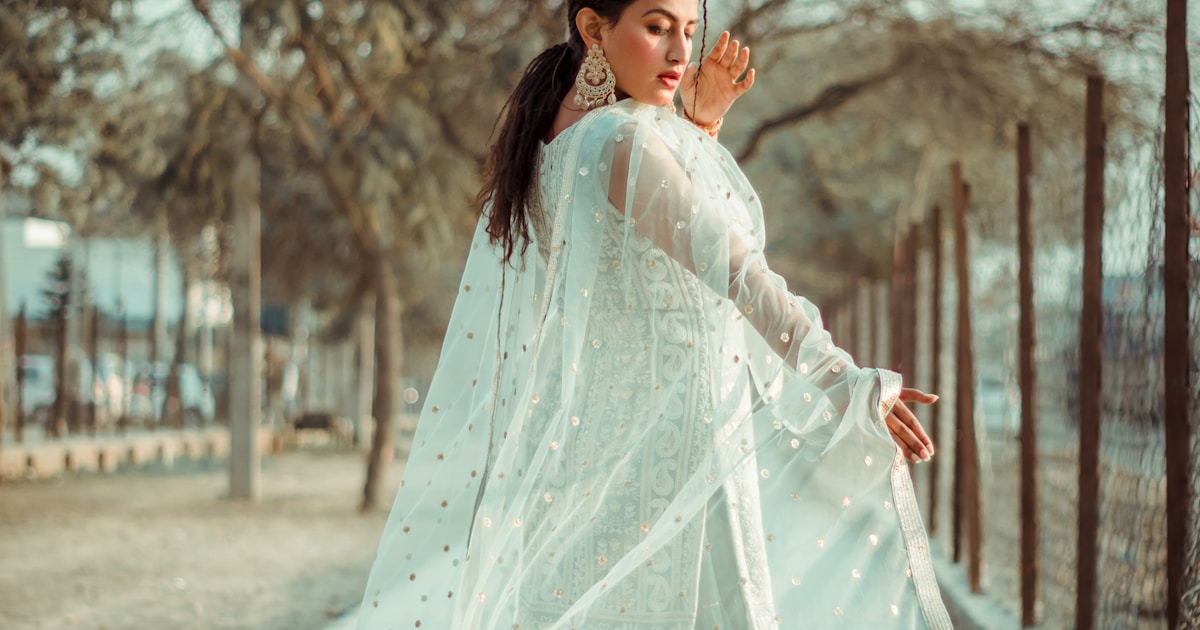
The Ming Dynasty (1368-1644 AD) represents a pivotal moment in Chinese clothing history. After nearly a century of Mongol rule under the Yuan Dynasty, the Ming emperors were determined to restore Han Chinese cultural traditions. This included a conscious revival of Tang and Song Dynasty clothing styles, but with distinctive Ming innovations that would come to define Chinese dress for centuries. The Ming Dynasty is often considered the golden age of Hanfu and the direct stylistic ancestor of the modern Hanfu revival movement.
The Han Chinese Restoration
When the Hongwu Emperor founded the Ming Dynasty, he issued decrees specifically aimed at restoring Han Chinese clothing traditions that had been suppressed or altered under Mongol rule. He banned the Mongolian-style clothing that had become popular and mandated a return to Tang and Song-style garments. However, this was not a simple replication - Ming Dynasty fashion incorporated new innovations that reflected the changing tastes of the era. The result was a distinctive Ming aesthetic that combined traditional elements with fresh design ideas.
The Horse-Face Skirt: A Ming Innovation
The most iconic Ming Dynasty garment for women is the mamianqun, or horse-face skirt. This unique skirt features flat panels at the front and back with pleated sections on the sides. The flat panels are decorated with embroidery, while the pleats allow for ease of movement. Despite its unusual name, the skirt is elegant and practical. The mamianqun has experienced a remarkable revival in recent years and is now one of the most popular Hanfu styles among modern enthusiasts, prized for its flattering silhouette and historical significance.
Key Ming Dynasty Garments
- Mamianqun: Horse-face skirt with flat embroidered panels and side pleats
- Aoqun: Jacket and skirt combination, the standard women's ensemble
- Standing collar: A Ming innovation that became a defining feature of later Chinese clothing
- Dragon robe: Five-clawed dragon robes reserved for the emperor
- Mangfu: Python robe worn by high-ranking officials
- Tieli: Informal jacket with narrow sleeves for daily wear
The Ming Dynasty perfected what the Han Dynasty had begun. The mamianqun, the standing collar, and the aoqun are not just historical garments - they are the direct inspiration for twenty-first century Hanfu, proving that great design transcends centuries.
Imperial Regalia and Color Symbolism
Ming Dynasty sumptuary laws regarding color and pattern were among the most elaborate in Chinese history. The emperor's ceremonial robes were bright yellow, a color that was forbidden to all others. Dragons with five claws adorned imperial garments, while officials were restricted to four-clawed dragons or other mythical beasts. The ranks of civil and military officials were indicated by specific animal badges on their robes, known as buzi or rank badges. These embroidered squares, worn on the chest and back, featured birds for civil officials and animals for military officials, creating a visual hierarchy that was immediately recognizable.
Legacy and Modern Revival
The Ming Dynasty's influence on Chinese clothing extends far beyond its historical period. Ming-style clothing is the primary inspiration for the modern Hanfu revival, which began in the early 2000s and has grown into a significant cultural movement. The Ming aoqun and mamianqun are among the most popular styles purchased by modern Hanfu enthusiasts. This is partly because Ming clothing is well-documented in paintings and extant garments, making accurate reproduction possible, and partly because Ming aesthetics - elegant, structured, and refined - appeal strongly to contemporary tastes.

Did You Know?
The Ming Dynasty invented the standing collar, now considered an essential feature of Chinese traditional clothing. This collar design was later adopted in the qipao and continues to influence modern Chinese fashion design.