Korean traditional clothing (hanbok) is characterized by clean, elegant lines and vibrant colors. Women wear the iconic jeogori jacket and chima skirt, while men wear jeogori with baji trousers, distinguished by graceful curves.
Key Features of Korean Attire
- Womens short bolero-style jacket with a long ribbon bow
- Full floor-length wrap-around skirt with voluminous silhouette
- Mens loose-fitting trousers tied at the ankles
- Outer coat for formal occasions with wide sleeves
- Bright white as the base color with vivid jewel-toned outer layers
Traditional Garments
Women wear a short jeogori reaching just below the armpit, with a long decorative ribbon tied at the front, paired with a full-length chima skirt wrapped around the body. Men wear a longer jeogori with roomy baji trousers tied at the ankle, and a durumagi overcoat for formal occasions.
Headwear and Adornments
Women traditionally wore a ceremonial coronet (jokduri) for weddings. Men wore a black horsehair hat (gat) for formal occasions with a wide brim and cylindrical crown.

Embroidery and Decorative Arts
Korean embroidery features peonies, lotus flowers, butterflies, and the ten symbols of longevity. Gold and silk threads on satin produce refined pieces for ceremonial garments.
The Korean hanboks genius lies in its restraint - where other traditions embroider exuberantly, the hanbok achieves its impact through pure color saturation and the lyrical curve of the jeogoris sleeve.
Color Symbolism
White is fundamental, with outer garments in jewel tones: deep red, royal blue, emerald green, purple, and golden yellow.
Festival Attire
During Seollal and Chuseok, families wear fine hanbok in vibrant colors. Brides wear red chima with yellow jeogori, grooms wear blue formal ensembles.
Modern Influence and Preservation
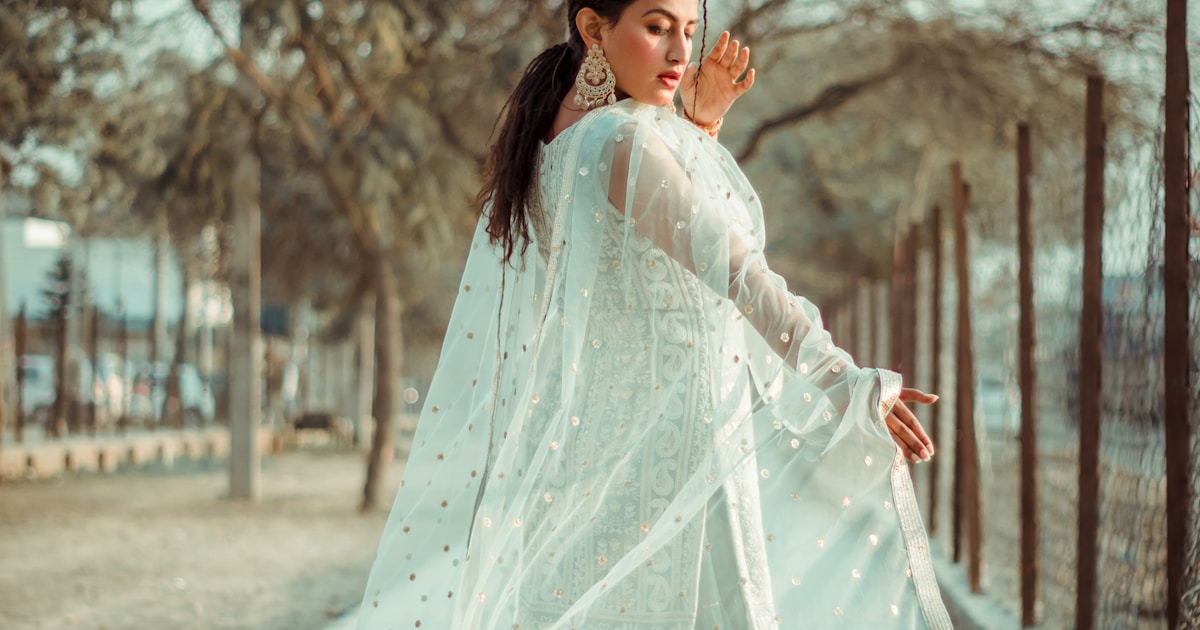
Hanbok has experienced a strong revival in global fashion, adapted into modern silhouettes while retaining the signature jeogori line and chima volume.
Did You Know?
The Korean jeogori has become progressively shorter over the centuries - modern womens jeogori barely covers the bust, while 500 years ago it reached the waist.